Q&A: Why does physical activity matter for health?
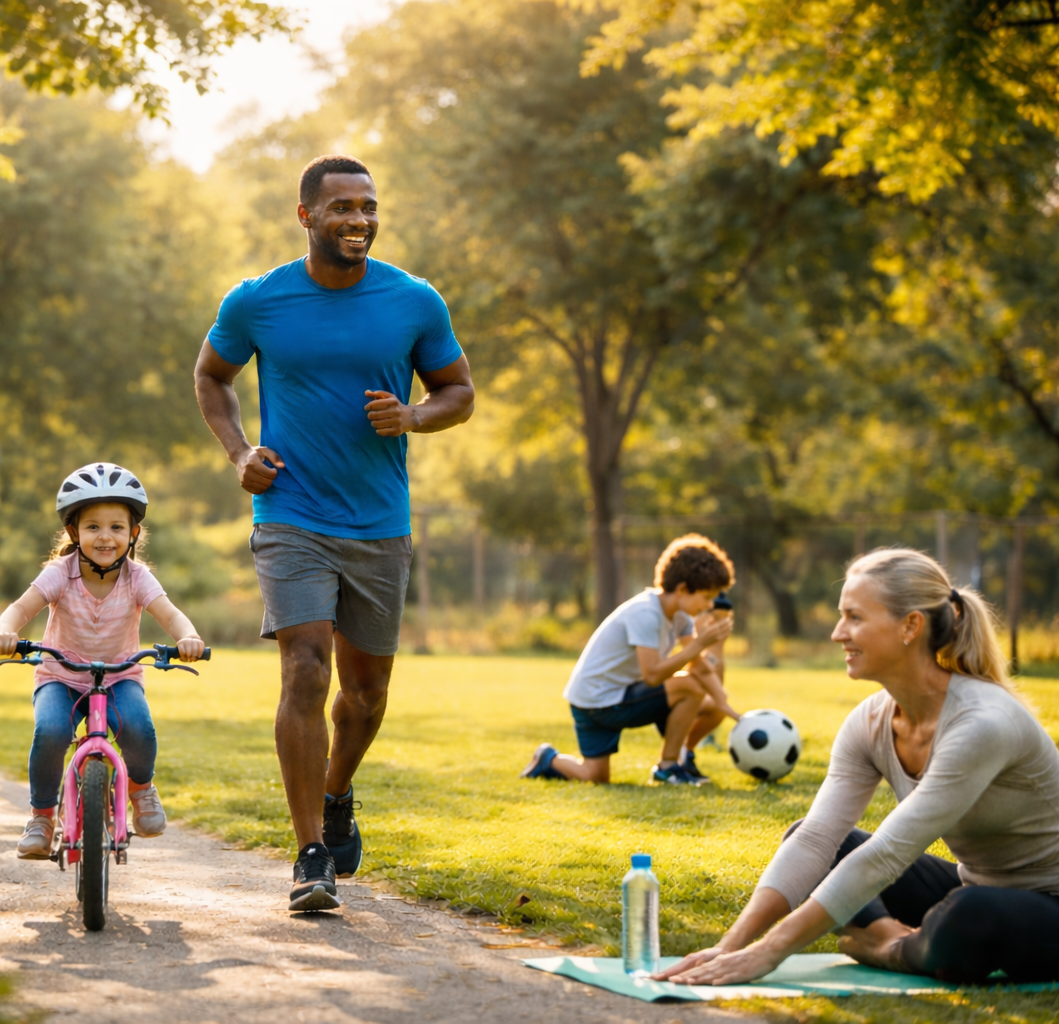
Physical activity is a fundamental health need—synergising with diet, protecting body and mind, reducing disease risk, and delivering lifelong benefits when done consistently and sustainably.

|
Theme |
Core message |
Practical implication |
|
Physical inactivity 🪑 |
Physical inactivity is a
global, pandemic-level risk factor that substantially increases
non-communicable disease burden and premature mortality |
Movement should be
treated as a fundamental health need, not optional |
|
Diet–activity synergy 🍽️🏃 |
A healthy diet alone
cannot compensate for physical inactivity; nutrition and movement act
synergistically |
Optimal health requires
both adequate nutrition and regular physical activity |
|
What counts as physical
activity 🚶♀️🏠 |
Physical activity
encompasses all forms of movement across work, transport and leisure, not
only structured exercise. However, leisure‑time activity is
generally more beneficial for health than occupational activity, a phenomenon
often referred to as the physical activity paradox.” |
Everyday activities
(walking, chores, active transport) meaningfully contribute to health |
|
Exercise types 🏃♂️💪⚖️ |
Aerobic, resistance,
balance and power training provide complementary and non-redundant benefits |
The most effective
programmes combine multiple modalities across the week |
|
Lifespan perspective 👶➡️👵 |
Physical activity
benefits health at every life stage, from childhood to older age |
It is never too early—or
too late—to become more active |
|
Ageing and longevity ⏳❤️ |
Regular activity reduces
all-cause mortality, delays biological ageing and preserves functional
independence |
Consistent moderate
activity yields substantial longevity benefits |
|
Body weight and
composition ⚖️🧬 |
Exercise improves body
composition and metabolic health, even when weight loss is modest |
Health gains should not
be judged by scale weight alone |
|
Muscle, bone and function
🦴💪 |
Resistance, impact and
balance training preserve muscle strength, bone health and mobility |
These components are
essential for fall prevention and healthy ageing |
|
Brain and mental health 🧠🌱 |
Physical activity
protects cognition, lowers dementia risk and reduces depression and anxiety |
Exercise is a powerful,
non-pharmacological mental health intervention |
|
Cardiometabolic health ❤️🩸 |
Regular activity improves
blood pressure, insulin sensitivity, lipid profiles and inflammation |
Even moderate volumes
confer meaningful cardiovascular protection |
|
Cancer and immunity 🛡️🧬 |
Sustained physical
activity lowers cancer risk and strengthens immune defence |
Benefits accrue with
long-term consistency rather than extreme volumes |
|
Pregnancy and
intergenerational effects 🤰👶 |
Physical activity during
and before pregnancy improves maternal, foetal and even offspring health |
Exercise is safe,
beneficial and should be actively encouraged |
|
Physical
activity and aggression/bullying |
Physical activity reduces
aggressive behaviour in youth and is linked to lower rates of school
bullying. |
Physical activity
programmes in schools can help curb aggression, prevent bullying, and promote
broader physical and psychological well‑being. |
|
Sedentary behaviour 🖥️🛋️ |
Prolonged sitting can
offset some benefits of exercise |
Reducing sedentary time
is as important as scheduling workouts |
|
Measurement and
self-monitoring ⌚📱 |
Physical activity can be
tracked using simple tools (steps, logs, apps) |
Individuals do not need
research-grade tools to assess adherence |
|
Recommended dose (adults)
📊✅ |
150–300 min/week of
moderate activity (≈20–40 min/day) or 75–150 min/week vigorous activity
(≈10–20 min/day), plus muscle-strengthening on ≥2 days/week; ≈7,000–10,000
steps/day provides substantial health benefits |
Expressing targets in
daily minutes and steps improves understanding and adherence |
|
Recommended dose
(children & adolescents) 🧒🏽🏃 |
≥60 min/day of
moderate-to-vigorous physical activity, mostly aerobic, with muscle- and
bone-strengthening activities on ≥3 days/week |
Daily movement should be
prioritised through play, sport and active transport |
|
More is not always better
⚠️🔁 |
Excessive or poorly
managed exercise carries risks |
Sustainable, enjoyable
activity with adequate recovery is optimal |
|
Supplements and sports
products 🧃💊 |
Supplements offer limited
benefits for most people and carry cost and safety concerns |
Food-first,
evidence-based nutrition should be prioritised |
|
Behaviour change 🔄🎯 |
Enjoyment, social support
and habit formation drive long-term adherence |
The best activity is one
that can be sustained over time |
Introduction 🏃♀️💪❤️🧠🌱
A major concern among researchers and healthcare professionals is the large proportion of the global population who fails to meet recommended physical activity guidelines, with sedentary lifestyles becoming increasingly prevalent. This widespread inactivity is occurring alongside the escalating obesity pandemic, compounding risks for non-communicable diseases and premature mortality. Physical inactivity has been classified as a pandemic-level threat, with prevalence particularly high in high-income and digitally advanced nations (1). A pooled analysis of 507 surveys across 163 countries found that the global prevalence of insufficient physical activity among adults rose from 23.4% in 2000 to 31.3% in 2022 (1). Rates were higher among women (33.8%) than men (28.7%) and inactivity increased among adults aged 60 and older across all regions (1). Unless movement is recognised as a fundamental human necessity, society risks “engineering our extinction — one chair at a time.”
A healthy diet alone cannot secure long-term wellbeing without physical activity, because food provides the nutrients but movement ensures the body uses them effectively. Physical activity strengthens muscles, bones and the cardiovascular system, improves insulin sensitivity and supports mental health in ways diet cannot achieve on its own. Together, diet and physical activity create the synergy needed to prevent chronic disease, maintain independence and promote vitality throughout life. Importantly, the benefits of physical activity extend beyond disease prevention to improved quality of life, functional independence and mental health, reinforcing its role as a foundational, non-pharmacological intervention.
Here I provide an overview of why physical activity matters, beginning with its domains, types, and energy costs and exploring motivations and barriers to engagement. I examine physical activity’s impact on health across the lifespan, including its role in reducing mortality, managing chronic conditions, enhancing cognitive and mental health and improving sleep quality. Attention is given to physical activity during pregnancy, postpartum recovery and paternal influences on epigenetics. I also address health risks, measurement methods and age-specific recommendations, concluding with practical tips for becoming more active and reflections.
Domains of physical activities 💼🚶♂️🏠 🧹🧺🪣
The World Health Organisation (WHO), through the Global Physical Activity Questionnaire (GPAQ) (2), defines physical activity across three distinct domains to capture movement in daily life (https://www.who.int/publications/m/item/global-physical-activity-questionnaire). These domains include work-related physical activity (paid or unpaid work, household tasks and subsistence activities), transport-related physical activity (walking or cycling to get from place to place) and leisure-time physical activity (exercise, sport and recreational activities). By distinguishing these domains, physical activity is recognised as extending beyond structured exercise, with substantial activity in low- and middle-income settings often occurring through work and transport rather than leisure. Leisure-time physical activity is linked to lower obesity risk and cardiovascular health benefits, while occupational physical activity is not (3, 4). This phenomenon is known as the “physical activity paradox”. Therefore, public health messaging should distinguish between domains of activity and encourage leisure-time physical activities above occupational activities. The GPAQ does not include sexual activity, though it involves muscular effort, elevated heart rate and energy expenditure (5) and is linked to a range of health benefits (6). Its omission likely reflects discomfort in reporting, variability in intensity and duration and cultural or privacy concerns.
Types of physical activities 🏃♀️💪🧘♀️⚽
Physical activity includes all energy-requiring movements, such as walking, gardening or cleaning, while exercise is a structured, repetitive subset designed to improve fitness. Exercise is a subset of physical activity—every exercise session counts as physical activity, but not all physical activity qualifies as exercise and are sometimes referred to as non-exercise activities. Training refers to a systematic programme of repeated exercise sessions aimed at specific outcomes i.e. strength, endurance or competition preparation.
In the table below I define the types of physical activities that people engage in. Aerobic and resistance training provide complementary benefits: aerobic exercise improves cardiorespiratory fitness and energy expenditure, while resistance training preserves lean mass, supports metabolic health and boosts post-exercise energy use (7). Evidence shows that combining both is the most effective strategy for long-term health (7). Bodybuilding, focused on resistance training for strength and hypertrophy, is a moderate- to vigorous-intensity activity when performed progressively. Plyometric training, a subtype of power training, uses the muscle–tendon stretch–shortening cycle for explosive force. Not all power training is plyometric, as power can also be developed through high-velocity movements with or without external loads.
Table: Overview of physical activity modalities and their health benefits
|
Training modality |
Definition |
Primary energy system |
Key health benefits |
Examples |
|
Non-exercise activity (NEAT) |
Incidental daily movements not structured as formal exercise |
Mixed (low-intensity oxidative) |
Supports energy expenditure, metabolic health, and weight management |
Walking to work, household chores, gardening |
|
Aerobic |
Sustained, rhythmic activity using large muscle groups that relies on
oxygen to meet energy demands |
Oxidative (aerobic) metabolism |
Improves cardiorespiratory fitness, insulin sensitivity, blood
pressure, lipid profile |
Brisk walking, cycling, swimming |
|
Anaerobic |
Short-duration, high-intensity activity that cannot be sustained and
relies on non-oxidative pathways |
Phosphagen and glycolytic systems |
Enhances speed and high-intensity performance; improves glucose
handling |
Sprinting, short HIIT bouts |
|
Resistance training |
Muscle contraction against external resistance to increase strength,
endurance, or muscle mass |
Primarily anaerobic |
Preserves lean mass, improves bone density, metabolic health, and
functional capacity |
Free weights, machines, resistance bands |
|
Bodybuilding |
Structured resistance training primarily aimed at maximising muscle
hypertrophy and muscular symmetry |
Anaerobic (glycolytic predominant) |
Increases lean mass, resting metabolic rate, insulin sensitivity, and
bone density |
Hypertrophy-focused split routines, physique training |
|
Power training |
High-velocity force production against resistance (force × velocity) |
Phosphagen and glycolytic systems |
Improves rate of force development, functional performance, and fall
prevention |
Olympic lifts, jump squats, medicine ball throws |
|
Plyometric training |
Explosive movements utilising the muscle–tendon stretch–shortening
cycle with minimal ground contact time |
Anaerobic (elastic recoil; phosphagen) |
Enhances reactive strength, movement efficiency, and neuromuscular
performance |
Box jumps, depth jumps, hopping, bounding |
|
Balance |
Exercises that improve postural control and stability during static
and dynamic tasks |
Neuromuscular control |
Reduces fall risk, improves functional mobility and cognitive
engagement |
Single-leg stance, tai chi |
|
Coordination |
Activities that enhance timing and integration of movement patterns |
Neuromuscular control |
Improves movement efficiency, motor skill execution, and adaptability |
Dance, ball sports |
|
Functional training |
Multi-joint movements that replicate everyday tasks |
Mixed |
Enhances independence, strength transfer, and daily function |
Sit-to-stand, lifting and carrying tasks |
|
Kegel (pelvic floor training) |
Repeated contraction and relaxation of pelvic floor muscles |
Primarily anaerobic (local muscular endurance) |
Improves bladder control, pelvic health, and sexual function |
Pelvic floor contractions, guided Kegel routines |
|
Moderate-intensity steady-state exercise (MISS) |
Continuous activity performed at a moderate, sustainable intensity |
Oxidative (aerobic) metabolism |
Improves endurance, cardiovascular health, and fat metabolism |
Jogging, steady cycling |
|
High-intensity interval training (HIIT) |
Alternating short bouts of very high intensity with recovery periods |
Anaerobic and aerobic |
Efficiently improves aerobic capacity and cardiometabolic health |
Interval cycling, sprint intervals |
|
Aquatic exercise |
Exercise performed in water, reducing joint loading |
Mixed (aerobic and resistance) |
Improves cardiovascular fitness, strength, flexibility, and
rehabilitation outcomes |
Water aerobics, aqua jogging, swimming |
|
Sling / suspension training |
Suspension-based training using straps and body weight |
Mixed (exercise-dependent) |
Builds strength, stability, and core control |
TRX rows, suspended push-ups |
|
Sport-specific skills |
Practice of technical, tactical, and cognitive skills unique to a
sport |
Mixed (sport-dependent) |
Enhances performance efficiency, reaction time, and decision-making |
Soccer dribbling, tennis serving |
HIIT, high‑intensity interval training; TRX, total resistance exercises (also known as suspension-based training)
From mid-life onwards, balance training becomes a vital component of physical activity, as age-related changes such as stiffness, arthritis and inner-ear issues can compromise stability and increase health risks. Beginning targeted balance exercises around age 45 helps preserve fitness, extend active years and enhance brain function by challenging postural control. Simple practices such as standing on one leg, as well as structured activities such as tai chi or racquet sports, strengthen balance across different movement planes. Long-term studies link regular balance training with improved bone health, reduced risk of stroke and lower all-cause mortality, underscoring its importance for healthy ageing (8).
Genetic variations influence responses to different types of physical activity
Genetic testing for fitness seeks to identify how individuals may respond to different types of physical activity by analysing variations in genes linked to muscle fibre type, endurance capacity, recovery and injury risk. E.g. markers such as alpha‑actinin‑3 (ACTN3) can indicate a predisposition toward sprint or endurance performance, while others such as angiotensin converting enzyme (ACE) relate to aerobic capacity. Current evidence supports using these commercial DNA tests only as supplementary insights, not strict exercise prescriptions.
Table: Genetic variants (ACTN3 and ACE) and their associations with physical activity
|
Gene |
Protein/Function |
Key variant(s) |
Associated traits |
Linked physical activities |
|
Alpha‑actinin‑3 (ACTN3) |
Structural protein in fast‑twitch (type II) muscle fibres |
R577X polymorphism (R = functional, X = non‑functional) |
- R allele: enhanced sprint/power performance |
- Sprinting, weightlifting, explosive sports (R allele) |
|
Angiotensin‑converting enzyme (ACE) |
Regulates blood pressure and cardiovascular function |
I/D polymorphism (Insertion/Deletion) |
- I allele: improved oxygen utilisation, endurance capacity |
- Endurance sports (I allele) |
Intensity level and energy cost of physical activity
Exercise intensity can be assessed in different ways depending on the type of activity. In strength training, intensity is expressed as a percentage of the one‑rep max (1RM)—the maximum weight a person can lift once with proper form. For example, lifting at 70% of 1RM corresponds to a load that can be repeated several times, while 90% or more reflects near‑maximal effort aimed at building strength and power.
In endurance training, intensity is often described as a percentage of VO₂max, the maximum amount of oxygen the body can utilise during exercise. Working at 50–60% of VO₂max represents light, steady activity, whereas 80–95% corresponds to high‑intensity efforts such as intervals or race pace.
Another common measure is maximum heart rate (HRmax), the highest number of beats per minute the heart can achieve during intense exertion. HRmax is typically estimated as 220 minus age and serves as a reference point for defining exercise intensity zones.
Because measures such as 1RM, VO₂max, and HRmax can be technical, it is also useful to define intensity in terms of how the activity feels. The table below outlines physical activity intensity levels as they are typically experienced.
🏃 Table: Physical activity intensity levels aligned with WHO guidelines
|
Intensity |
Definition |
Examples |
Indicators
(How it feels) |
Heart Rate
Range (% HRmax) |
VO₂max (% of
max) |
Strength (%
of 1RM) |
|
Light |
Minimal
effort; does not noticeably increase heart rate or breathing |
Slow
walking, light household chores, gentle stretching |
Can talk and
sing easily; breathing and heart rate remain normal |
<50% |
<40% |
<50% |
|
Moderate |
Noticeably
raises heart rate and breathing but conversation still possible |
Brisk
walking, cycling on level ground, water aerobics, doubles tennis |
Can talk but
not sing; breathing faster, slight sweating |
50–70% |
40–60% |
50–70% |
|
Vigorous |
Substantially
increases heart rate and breathing; conversation difficult |
Running,
fast cycling, swimming laps, singles tennis, aerobic dancing |
Can say only
a few words without pausing for breath; heavy sweating |
70–85% |
60–85% |
70–85% |
|
Muscle-strengthening |
Works major
muscle groups against resistance |
Weightlifting,
resistance bands, push-ups, squats, yoga |
Muscles feel
exertion or fatigue; performed in sets/repetitions |
Not defined
by HR |
Not defined |
70–100% |
|
Bone-strengthening |
Produces
impact or force on bones to promote strength |
Jumping
rope, running, basketball, gymnastics |
Involves
impact with the ground or resistance that stresses bones |
Not defined
by HR |
Not defined |
Not defined |
The energy cost of physical activity, expressed in kilojoules (kJ), varies widely depending on the type, intensity, duration and individual characteristics such as body mass and fitness level. Researchers often use metabolic equivalents of task (METs). One MET represents the energy expenditure at rest (approximately 3.5 ml O₂ per kg body weight per minute), and activities are expressed as multiples of this baseline. MET‑minutes combine both the intensity of an activity (measured in METs) and its duration (minutes), so higher‑intensity activities accumulate MET‑minutes more quickly than moderate ones. E.g., walking at a moderate pace may be around 3.5 METs, while running at 10 km/h is closer to 10 METs.
Because energy expenditure scales with body weight and activity intensity, different approaches are adopt depending on the population. For non-athletes, energy needs are often estimated using predictive equations such as the Harris–Benedict formulae, which calculate basal metabolic rate (BMR; the energy your body uses at rest to maintain vital functions) and then apply an activity factor to approximate total energy expenditure. The activity factor adjusts BMR to account for lifestyle and physical activity levels, ranging from 1.2 for sedentary individuals (little or no exercise), 1.375 for lightly active (light exercise/sports 1–3 days per week), 1.55 for moderately active (moderate exercise/sports 3–5 days per week), 1.725 for very active (hard exercise/sports 6–7 days per week), and up to 1.9 for extra active (very hard physical job or training twice daily).
In contrast, athletes require more precise assessment using METs or direct measures, ensuring nutrition matches training demands and supports health, performance and recovery. Below is a Table with the energy expenditure of common activities for a women and man of average weight.
Table: Energy expenditure of common activities (approximate, per hour) 🔢
|
Activity |
METs* |
60 kg Adult (kJ/hour) |
80 kg Adult (kJ/hour) |
|
Sleeping |
1.0 |
~260 kJ |
~350 kJ |
|
Sitting quietly / desk work |
1.3 |
~340 kJ |
~450 kJ |
|
Gardening / yard work |
4.0 |
~1,050 kJ |
~1,400 kJ |
|
Household chores (vacuuming) |
3.0 |
~780 kJ |
~1,050 kJ |
|
Walking (4 km/h, moderate pace) |
3.5 |
~900 kJ |
~1,200 kJ |
|
Walking briskly (5–6 km/h) |
4.5 |
~1,150 kJ |
~1,500 kJ |
|
Yoga (Hatha, moderate) |
2.5–3.0 |
~650–780 kJ |
~850–1,050 kJ |
|
Cycling (moderate, 16–19 km/h) |
6.8 |
~1,750 kJ |
~2,350 kJ |
|
Jogging (8 km/h) |
8.0 |
~2,050 kJ |
~2,750 kJ |
|
Running (10 km/h) |
10.0 |
~2,550 kJ |
~3,400 kJ |
|
Swimming (moderate effort) |
6.0 |
~1,550 kJ |
~2,050 kJ |
|
Aerobics / dance class |
6.5 |
~1,650 kJ |
~2,200 kJ |
|
Playing rugby (competitive) |
8.0–10.0 |
~2,050–2,550 kJ |
~2,750–3,400 kJ |
|
Playing netball (game play) |
6.0–7.0 |
~1,550–1,800 kJ |
~2,050–2,400 kJ |
|
Playing hockey (field, competitive) |
8.0 |
~2,050 kJ |
~2,750 kJ |
|
Playing cricket (batting/fielding average) |
4.8–6.0 |
~1,230–1,550 kJ |
~1,640–2,050 kJ |
|
Playing cricket (indoor, faster pace) |
6.0–7.0 |
~1,550–1,800 kJ |
~2,050–2,400 kJ |
|
Playing soccer (competitive) |
10.0 |
~2,550 kJ |
~3,400 kJ |
|
Playing tennis (singles) |
7.3 |
~1,850 kJ |
~2,450 kJ |
|
Playing tennis (doubles) |
5.0 |
~1,250 kJ |
~1,650 kJ |
|
Playing padel |
5.0–7.0 |
~1,250–1,750 kJ |
~1,650–2,300 kJ |
|
Playing squash |
7.0–9.0 |
~1,800–2,300 kJ |
~2,400–3,050 kJ |
|
Weight training (moderate) |
3.5 |
~900 kJ |
~1,200 kJ |
|
Sexual activity (average) |
5.0–6.0 |
~1,250–1,500 kJ |
~1,650–2,000 kJ |
📌 *METs, metabolic equivalent of task. 1 MET ≈ resting energy expenditure (3.5 ml O₂/kg/min). - Cricket varies widely: batting bursts and fast bowling can reach ~6 METs, while fielding or standing periods are closer to ~3–4 METs. The average across a match is ~4.8–6 METs. quash is among the highest-intensity racket sports, with continuous rallies, rapid changes of direction, and sustained cardiovascular demand. Competitive play often pushes toward the upper end of the MET range (~9)(9). Padel is a moderate-to-vigorous activity, averaging 5–7 METs, with energy costs similar to doubles tennis and heart rates often sustained at 150–180 bpm (10). Portable sensor studies suggest men burn ~418 kJ and women ~293 kJ per encounter, averaging 12.6–16.7 kJ per minute. This aligns with an intensity of ~5–6 METs, though the total energy cost depends heavily on duration, positions, and vigour (5).
Health benefits of physical activity ❤️🧠🦴
Physical activity and reduced mortality, greater longevity and delayed aging
Regular physical activity is strongly linked to reduced mortality risk and greater longevity, with evidence showing benefits across intensity, volume and consistency of exercise. Large-scale meta-analyses and cohort studies confirm that even modest increases in physical activity can lower all-cause and cardiovascular mortality (11-13). A study of 8,124 former US Olympians found that they live about five years longer than the general population, primarily due to lower risks of cardiovascular disease and cancer (14). A large prospective cohort study of over 110,000 adults found that long-term engagement in most physical activities—such as walking, jogging, running, tennis and resistance training—was linked to lower all-cause and cause-specific mortality, though swimming showed no benefit (15). Individuals who consistently engaged in a greater variety of physical activities had lower mortality risks, independent of total activity levels. These findings suggest that both regular participation and diversity in physical activity contribute to longevity and reduced risk of major diseases (15).
A large UK Biobank cohort study of over 59,000 adults examined how combined variations in sleep, physical activity and diet quality influence lifespan and healthspan. Optimal levels of 7.2–8 hours of sleep per day, more than 42 minutes of moderate-to-vigorous physical activity per day (i.e.294 min per week) and a diet quality score of 57.5–72.5 were associated with about 9 additional years of both lifespan and healthspan (16). An active lifestyle positively influences key hallmarks of aging—including genomic stability, telomere maintenance, mitochondrial function, proteostasis, cellular senescence and inflammation—thereby supporting both physical and mental health and reducing the risk of age-related diseases (17, 18).
Physical activity and weight status
Physical activity plays a nuanced role in weight status (19). It increases energy expenditure, regulates fat mass, and helps preserve lean body mass (20) and therefore increase resting metabolic rate (RMR), allowing the body to burn more energy even during sedentary periods. A review of 12 systematic reviews and meta-analyses (149 studies) found exercise produced modest but significant reductions in body weight, fat mass and visceral fat in adults with overweight or obesity (21). Aerobic and high-intensity interval training were equally effective when energy expenditure was matched, while resistance training preserved lean mass during weight loss (21). Exercise improves body composition and visceral fat with cardiometabolic benefits, but evidence for long-term weight maintenance remains limited, requiring further research (21).
A randomised controlled trial of 195 adults with obesity who lost weight on a low‑energy diet compared usual activity, exercise, liraglutide treatment or their combination over 52 weeks (22) was conducted. Results showed that one year of moderate‑to‑vigorous exercise increased late‑phase postprandial glucagon-like peptide (GLP‑1) secretion by 37%, whereas liraglutide did not, suggesting exercise may help prevent appetite increase and weight regain after weight loss (22).
Physical activity and spot reducing
The scientific evidence on “spot reduction” (losing fat in specific body areas through targeted exercise) is mixed, but recent studies have revisited the topic with more rigorous designs. While traditional consensus holds that fat loss is systemic rather than localised, some newer trials suggest that under certain conditions, localised fat reduction may occur (23, 24).
Physical activity, muscle function and musculoskeletal health
A meta-analysis of 39 randomised controlled trials (1714 participants) found antioxidants improved muscle strength and function in older adults, while exercise alone enhanced walking distance. The combination produced the greatest gains in strength, speed and overall performance (25). A systematic review of 14 randomised controlled trials (561 older adults with sarcopenia) showed resistance training improved strength, gait speed, functional performance and reduced body fat, though effects on muscle mass were inconsistent (26). Another systematic review and meta-analysis showed that resistance training improve muscle strength, body composition and physical performance in older adults with sarcopenia (27). Programmes should be tailored to about 60–80% of 1RM with appropriate frequency and progression, aiming for cumulative training volumes that maximise gains in strength and walking ability (27).
A meta-analysis of seven randomised controlled trials (349 participants with osteosarcopenia) found strength training improved muscle mass, handgrip strength and protein intake, but not bone density, body fat %, gait speed or calcium intake; elastic band training reduced fat more than resistance training (28). High-impact jumping increased bone mineral content in children and adolescents—especially girls—while resistance exercise showed no effect, highlighting the need for further trials (29). A meta-analysis of 10 studies (761 men) found tennis increased bone density in the dominant arm, radius, lumbar spine, trochanter and femur, but not whole-body or femoral neck; improvements were asymmetrical, favouring the dominant side, so contralateral training is recommended (30). In postmenopausal women, leisure-time activity did not increase bone density but helped maintain mass, with structured exercise providing the greatest localised benefits depending on type and duration (31).
Exercise-induced heart enlargement and heart rate 📊💓
Regular exercise can enlarge the heart through physiological hypertrophy, a healthy adaptation distinct from disease-related enlargement (32). Endurance training expands the left ventricular cavity for greater blood output, while resistance training thickens heart walls to boost contractile strength. These exercise-driven changes remodel heart muscle without harmful fibrosis, producing larger, more efficient hearts with lower resting heartbeat rates. Enlargement is reversible if training stops.
Table: Typical resting heart rates across fitness levels
|
Group |
Typical Resting Heart Rate |
Key Notes |
|
General adults |
60–100 bpm |
Average range; influenced by age, stress, caffeine, and health status |
|
Recreationally fit people |
50–70 bpm |
Moderate exercise lowers RHR compared to sedentary individuals |
|
Endurance athletes |
40–60 bpm |
Highly trained hearts pump more efficiently |
|
Elite athletes |
<40 bpm (sometimes) |
Seen in marathoners, cyclists, swimmers; usually not concerning if
asymptomatic |
Footnote: bpm, beats per minute; RHR, resting heart rate.
Low heart rate in fit people is usually healthy, but if accompanied by dizziness, fatigue, or fainting, it may signal a medical issue.
Measurement tip: The most accurate resting heart rate is taken in the morning before getting out of bed, after a full night’s sleep, and without caffeine or stress influences.
Age and gender differences: Women tend to have slightly higher resting heart rates than men, and rates naturally rise with age.
Physical activity protects cognition, brain health and reduces dementia risk
A single bout of exercise offers small but promising improvements in executive function, reaction time and memory in adults with cognitive impairment (33). A network meta-analysis of 37 randomised controlled trials including 2,585 older adults, comparing the effects of different exercise interventions on cognitive function showed that resistance training most strongly improved overall cognition and inhibitory control, aerobic exercise was most effective for memory and physical-mental training (e.g., Tai Chi) provided the greatest benefits for working memory and task-switching (34).
A systematic review and meta-analysis of 17 randomised control trials (739 participants) found that resistance exercise improves overall cognition, working memory, verbal learning and spatial memory in older adults, though effects on processing speed, executive function and attention were not significant (35). The benefits appear influenced by age and exercise parameters, indicating a possible dose–response relationship (35). These findings support resistance training as a targeted strategy for promoting cognitive health and rehabilitation in ageing populations.
Regular physical activity in patients with early Parkinson’s disease is linked to slower neurodegeneration in temporoparietal and limbic brain regions, including the hippocampus and amygdala (36). These structural brain changes mediate the preservation of memory and attention, supporting exercise as a key intervention to delay cognitive decline and improve long-term outcomes (36).
The Framingham Heart Study found that higher levels of physical activity in midlife and late life were linked to a 41–45% lower risk of dementia, while activity in early adulthood showed no association (37). Thus, promoting physical activity during midlife and late life may be most effective for delaying or preventing dementia (37).
Physical activity and depression 😊
A meta-analysis of 50 studies with nearly 90,000 children and adolescents found physical activity linked to lower depressive symptoms, though protection against future depression was weak, underscoring the need for standardised measures and longitudinal research (38). A systematic review of 19 randomised controlled trials involving 1,795 overweight or obese children and adolescents found that physical activity was linked to improvements in anxiety, depression, self-esteem and self-worth, though most effects were small and the evidence for anxiety was low certainty (39).
Another systematic review of over 191,000 adults showed physical activity inversely associated with depression risk, with greatest benefits at lower activity levels (40). Even modest activity, such as 2.5 hours of brisk walking weekly, reduced depression likelihood compared to none (40). A Cochrane systematic review and meta‑analysis of 73 randomised controlled trials (nearly 5,000 participants) found that exercise may moderately reduce depressive symptoms compared with no treatment or control interventions, though the certainty of evidence was low (41). Comparisons with psychological or pharmacological treatments showed little to no difference, and long‑term effects remain uncertain due to limited high‑quality follow‑up data (41).
Physical activity and sleep quality
A 12-week randomised controlled trial by Buğday (42) compared the effects of diet alone versus diet combined with resistance training in individuals with obesity. The combined intervention led to greater improvements in physical activity levels, sleep quality and fatigue reduction.
Physical activity and cancer
Consistently maintaining moderate physical activity (~17 MET-hours/week, e.g., 5 hours brisk walking weekly) over decades reduces digestive system cancer risk and mortality, with no added benefit from much higher activity levels (43). Acute exercise alters the serum proteomic profile, increasing immune- and vascular-related proteins such as interleukin 6, and produces systemic factors that enhance DNA repair and reduce DNA damage in colon cancer cells (44). These exercise-conditioned serum effects are accompanied by upregulation of DNA repair genes and suppression of proliferative pathways, providing a plausible biological mechanism through which exercise may protect against colorectal cancer progression (44).
Physical activity and hypertension, cardiovascular disease and heart failure
A meta-analysis of 15 trials found aerobic exercise lowers systolic and diastolic blood pressure in obese adults, with greatest effects in high-intensity, short-term programmes. Low-to-moderate intensity and longer interventions showed limited impact, highlighting the need for refined prescriptions (45).
Reviews show physical activity inversely linked to cardiovascular disease risk, with even moderate amounts reducing mortality (6). Brisk walking 30–60 minutes most days provides substantial protection without requiring vigorous exercise (46). Regular activity improves fitness, function, and quality of life in heart failure patients, with evidence it may also prevent heart failure (47).
Aerobic exercise combined with at least modest weight loss produced greater improvements in insulin sensitivity, triglycerides and lipid particle profiles in overweight and obese adults, supporting its role in enhancing cardiovascular health (48). The EPIC‑Norfolk study of 23,201 men and women found that higher habitual physical activity is independently associated with lower plasma fibrinogen concentrations (a blood plasma protein essential for clot formation) suggesting a protective mechanism for cardiovascular health (49).
Physical activity on insulin action
During exercise, muscle contractions activate signalling pathways such as AMP‑activated protein kinase (AMPK) and calcium‑mediated cascades that move glucose transporter type 4 (GLUT4) transporters to the cell surface, allowing glucose to enter muscle cells independently of insulin. This contraction‑driven mechanism, combined with increased blood flow and rapid glucose utilisation inside the muscle, enhances glucose uptake even in states of insulin resistance.
Research consistently shows that physical activity improves metabolic health. Habitual endurance and resistance exercise enhanced insulin-stimulated glycogen synthesis in skeletal muscle stem cells compared to sedentary individuals, yet neither modality protected against fatty-acid–induced insulin resistance, suggesting benefits are limited under lipid-driven stress (50). Structured 12‑week programmes combining aerobic and resistance training produced improvements in HbA1c and insulin resistance in patients with type 2 diabetes (51), while aerobic exercise paired with modest weight loss yielded greater gains in insulin sensitivity overweight adults (48). Preclinical models further revealed differences between modalities: resistance exercise was more effective than endurance training in improving glucose and insulin tolerance despite similar fat mass reductions (52). In a 12‑week randomised controlled trial of 90 adults with type 2 diabetes, both combined aerobic‑resistance training and high‑intensity interval training improved insulin resistance, glycaemic control, body composition, functional capacity and quality of life compared with usual care, with HIIT showing greater benefits for fasting glucose and muscle mass, while combined aerobic and resistance training produced broader improvements in HbA1c, fat reduction and quality of life (53).
Physical activity and inflammation and psychoneuroimmunology
Regular physical activity is strongly associated with reduced systemic inflammation, with evidence showing improvements in key biomarkers across diverse populations. Psychoneuroimmunology—the study of interactions between the brain, nervous system and immune system—reveals how optimised communication among these systems enhances the body’s ability to regulate inflammation, resist disease and support mental well-being. Practices such as exercise and meditation are scientifically validated interventions that leverage psychoneuroimmunology to promote health.
Table: Evidence linking physical activity to reduced inflammation
|
Study type / Population |
Key findings |
Notes / Implications |
Reference |
|
Systematic review and
meta-analysis (exercise training) |
Lowered circulating CRP,
independent of weight loss |
Greater reductions when
BMI or body fat % decreased |
(54) |
|
Umbrella meta-analysis
(clinical & healthy populations) |
Reduced systemic
inflammation and oxidative stress biomarkers |
Supports exercise as a
non-pharmacological anti-inflammatory strategy |
(55) |
|
Meta-review of
interventional studies |
Regular exercise
attenuates chronic systemic inflammation |
Reinforces role in
preventing inflammation-related diseases |
(56) |
|
Systematic review and
meta-analysis (children/adolescents with obesity, HIT) |
High-intensity interval
training reduced CRP; no significant effects on IL-6 or TNF-α |
Intervention duration,
work-and-rest ratio, and work time moderated effects; supports HIT as
time-efficient anti-inflammatory strategy in youth |
(57) |
|
Experimental study (obese
Swiss mice, strength training) |
7 days reversed
obesity-induced DNA demethylation in visceral fat |
Reduced NF-κB activity
and inflammatory cytokine production; highlights short-term epigenetic
regulation |
(58) |
BMI, body mass index; CRP, C-reactive protein; HIT, high‑intensity interval training; IL‑6, interleukin‑6; NF‑κB, nuclear factor kappa‑light‑chain‑enhancer of activated B cells; TNF‑α, tumour necrosis factor‑alpha
Physical activity and immune function
Based on a systematic review and meta-analysis of randomised controlled trials and prospective observational studies, regular moderate-to-vigorous physical activity reduces the risk of community-acquired infectious diseases and infectious disease mortality, while also enhancing immune parameters such as CD4 cell counts and salivary IgA (59). It further improves antibody responses to vaccination (59).
Physical activity to recover from COVID
A randomised clinical trial of 233 adults recovering from COVID-19 found that a 3‑month personalised resistance exercise programme improved walking distance, grip strength, quality of life and reduced anxiety and depression compared with usual care (60).
Physical activity and constipation
Constipation is a gastrointestinal condition characterised by infrequent bowel movements, difficult or painful stool passage or a sensation of incomplete evacuation. A systematic review summarising 13 cohort studies involving over 119,000 participants found that moderate to high levels of physical activity, including adherence to international physical activity guidelines, were consistently associated with a lower risk of constipation than low activity levels (61). The protective association was observed across sexes and was particularly pronounced in Asian and Oceanian populations (61).
Physical activity and migraine management
A multilevel network and dose‑response meta‑analysis of 27 randomised controlled trials (n = 1,611) evaluated different exercise modalities for migraine management (62). Combined aerobic plus resistance exercise was most effective, followed by resistance training, yoga and tai chi, with an optimal dose of 70–135 minutes of moderate‑intensity or 45–90 minutes of vigorous‑intensity activity per week for 8–10 weeks, though the overall certainty of evidence was low (62).
Physical activity for the management of arthritis
A meta-analysis of 28 studies with 4,111 adults found physical activity interventions moderately improved activity levels and produced small but positive effects on pain and physical function (63). Although both groups showed gains, interventions were more effective overall, highlighting the need for research on optimal exercise types, frequencies and intensities (63).
Physical activity to reduce aggressive behaviour and school bullying
A systematic review and meta‑analysis of 18 studies involving 2,479 participants found that physical exercise reduced aggressive behaviour in children and adolescents (64). The reductions were strongest for physical aggression, anger and hostility, with ball sports, non‑contact group activities, and programmes lasting 8–16 weeks showing the greatest effects, while verbal aggression showed no change (64). A longitudinal study involving 577 Chinese adolescents found that physical activity and school bullying are negatively linked over time, with more active students experiencing less bullying and vice versa (65). The protective effect of physical activity was stronger in boys, who also showed greater declines in activity after being bullied, highlighting the need for gender-sensitive interventions (65). Resistance training in children, including prepubertal populations, offers safe and wide-ranging benefits for physical, metabolic, psychological and cognitive health, making it a vital strategy for combating childhood inactivity and promoting lifelong well-being (66).
Physical activity and polycystic ovary syndrome 🏃
Polycystic ovary syndrome (PCOS) is the most common endocrine disorder in women of reproductive age. A randomised controlled trial (67) demonstrated that an eight-week combined training programme led to improvements in metabolic, hormonal, inflammatory and oxidative stress markers in women with PCOS. Insulin levels, insulin resistance (HOMA-IR), total and LDL cholesterol, testosterone and markers of oxidative stress decreased, while insulin sensitivity (QUICKI) improved compared to a control group. A meta-analysis of six randomised controlled trials found no differences between high-intensity interval training (HIIT) and moderate-intensity continuous training (MICT) in improving anthropometric, cardiorespiratory, metabolic or hormonal measures in women with PCOS (68). Given the low certainty of evidence, both HIIT and MICT can be recommended based on patient preference, though larger, high-quality trials are needed to strengthen clinical guidance (68).
Physical activity and sexual function
Higher levels of cardiovascular exercise are linked to lower odds of erectile dysfunction in men and reduced risk of sexual dysfunction in women (69). Regular, vigorous exercise may protect against sexual health problems among physically active adults (69).
Intergenerational and maternal benefits of physical activity 👶🤰🧬
Physical activity as a holistic strategy with wide-ranging benefits for both parents and children.
Paternal physical activity and sperm microRNAs: An epigenetic pathway to enhanced offspring fitness and metabolism
Yin et al. (70) demonstrated in mice that paternal exercise modifies sperm microRNAs, which regulate the nuclear receptor corepressor 1 (NCoR1) during embryogenesis, thereby enhancing progeny fitness and metabolism. Male mice exercising for eight weeks produced offspring with superior endurance, mitochondrial function and glucose uptake, effects replicated by peroxisome proliferator-activated receptor gamma coactivator 1-alpha (PGC‑1α) overexpression. Crucially, sperm small RNAs—especially microRNA-148—were shown to causally transmit these phenotypes by repressing nuclear receptor corepressor 1 during early embryogenesis, establishing a key epigenetic mechanism for intergenerational fitness programming.
Effects of prenatal physical activity on mental health 🧘
Prenatal exercise reduces symptoms of prenatal depression and anxiety, while also preventing postpartum depression compared to usual care (71). Different exercise modalities, such as yoga with meditation, maternal gymnastics, fertility dance and water-based aerobic training, show specific benefits for prevention and treatment (71). Overall, structured prenatal exercise programmes provide both therapeutic and preventive effects, supporting maternal mental health during and after pregnancy (71).
Physical activity during pregnancy improves maternal and foetal outcomes
Physical activity during pregnancy is strongly associated with improved maternal and foetal outcomes, including reduced risk of gestational diabetes, preeclampsia, excessive weight gain and caesarean delivery. Meta-analyses confirm that both moderate and, in some cases, high-intensity exercise are safe and beneficial when appropriately supervised (see Table below).
Table: Key evidence from recent meta-analyses
|
Sample |
Key Findings |
Implications |
Study |
|
Systematic
review and meta-analysis of antenatal physical activity interventions |
Physical
activity reduced risk of gestational diabetes, hypertensive disorders and
excessive maternal weight gain. |
Supports
routine antenatal exercise programs as safe and effective. |
(72) |
|
Meta-analysis
of randomised controlled trials on high-intensity exercise |
High-intensity
exercise did not increase pregnancy complications and improved maternal
cardiovascular fitness.
It also reduced the risk of gestational diabetes, improved newborn 5‑minute Apgar scores, and
helped maintain maternal exercise capacity. |
Suggests
that carefully monitored vigorous exercise can be safe for pregnant women. |
(73) |
|
Thousands of
participants across multiple RCTs |
Consistent
reductions in caesarean delivery rates, gestational weight gain, and
postpartum recovery time. |
Reinforces
WHO and ACOG guidelines recommending ≥150 minutes of moderate activity per
week. |
(74) |
Physical activity to manage postpartum depression
A meta-analysis of 12 randomised controlled trials found that exercise-based interventions during pregnancy and postpartum reduced depressive symptoms, with stronger effects in women already experiencing postpartum depression (75). Overall, physical activity proved to be a safe and effective strategy for improving psychological well-being in the postnatal period (75).
Ripple effects of physical activity
Engaging in regular physical activity often sparks a positive chain reaction in other lifestyle habits. People who exercise consistently tend to make healthier food choices (76), improve their sleep routines (77) and manage stress more effectively (78). Importantly, physical activity is also linked to a reduced likelihood of smoking or greater success in quitting (79), because the sense of well-being and discipline gained from exercise can replace unhealthy coping mechanisms.
Health risks of physical activity
Physical activity carries some health risks, but these are generally low and depend on intensity, individual health status and context. Common risks include musculoskeletal injuries, particularly strains, sprains and overuse injuries (80). Rare but more serious risks include cardiovascular events, mainly in individuals with underlying heart disease during unaccustomed vigorous exercise (80), exertional heat-related illness (EHRI; such as muscle cramps, heat exhaustion and heat stroke) (81), water intoxication also known as exercise-associated hyponatremia (EAH)(82), hypoglycaemia (83), concussion or trauma in contact sports (84) and excessive or compulsive exercise (85). Overall, these risks are largely preventable with appropriate screening, gradual progression, proper technique and adequate recovery, and they are far outweighed by the well-established health risks of physical inactivity.
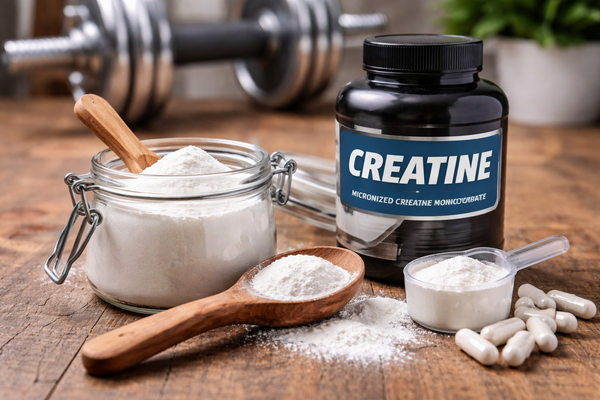
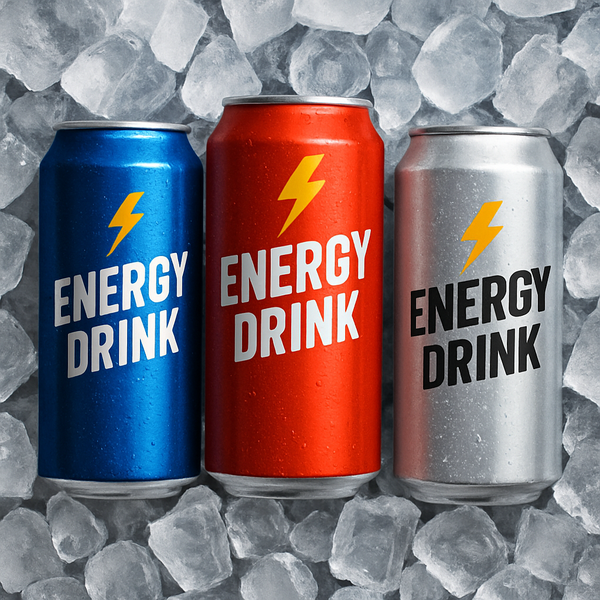
Sports drinks, gels and energy chews are widely used among physically active populations to support hydration and provide quick energy. However, because they are often acidic and high in sugar, they increase the risk of dental caries and enamel erosion (86). Supplements such as protein powders, creatine, pre‑workout formulations and fat burners are especially prevalent in bodybuilding and fitness subcultures (87). While certain supplements (e.g., protein and creatine monohydrate) can offer modest benefits when dietary intake is insufficient or training demands are high, widespread and indiscriminate use raises concerns about efficacy, safety, cost and regulatory oversight. Also regular exercise cannot compensate for poor dietary habits; optimal health requires both consistent physical activity and balanced nutrition. Misbeliefs that exercise alone offsets an unhealthy diet may lead individuals to neglect proper nutrition (88).
Measuring physical activity
Physical activity levels in research are determined using a combination of self-report instruments and objective measures, each with strengths and limitations. Questionnaires such as the GPAQ, IPAQ and activity diaries are commonly used in large population studies because they are cost-effective and capture contextual information across activity domains, although they are subject to recall and social desirability bias. Objective methods—including accelerometers, pedometers, heart rate monitors and wearable devices—provide more precise estimates of activity intensity, frequency, and duration, but may miss certain activities (such as cycling, resistance training, or water-based exercise) and are more resource-intensive. Importantly, individuals do not need to be researchers to monitor their own activity levels: everyday tools such as step counters, smartphone health apps, exercise logs and simple weekly checklists can help people determine whether they meet physical activity recommendations and support awareness, motivation and sustained adherence guidelines.
The active time-to-sedentary ratio and non-exercise activity are crucial in research because they capture the balance between movement and inactivity, offering a more holistic view of lifestyle than exercise minutes alone. This measure highlights how prolonged sitting can offset the benefits of physical activity, provides insights into metabolic health risks such as obesity and cardiovascular disease and reflects daily behavioural patterns—whether activity is spread throughout the day or concentrated in short bouts followed by long sedentary periods. To assess these patterns effectively, researchers employ several tools. Accelerometers and wearable devices allow continuous monitoring to capture both active periods and sedentary bouts across the day. Activity diaries combine objective data with self-reported logs, contextualising whether post-exercise time was spent resting or moving. Post-exercise behaviour tracking segments data into exercise sessions and non-exercise time, helping to evaluate compensatory inactivity (for example, lying on the couch versus light walking). Finally, pattern analysis using machine learning or clustering methods can distinguish activity profiles, such as exercisers who remain sedentary afterward compared to those who maintain light activity. These approaches allow the assessment of daily activity in a nuanced way.
PA recommendations
The South African Food-Based Dietary Guidelines include a specific recommendation related to physical activity, namely “Be active!”, which emphasises that regular movement is an essential component of a healthy lifestyle alongside healthy eating (89). This guideline encourages people of all ages to engage in physical activity on most days of the week to support energy balance, maintain a healthy body weight, strengthen muscles and bones and reduce the risk of non-communicable diseases. The guideline recognises that physical activity does not need to be structured exercise only, but can include everyday activities such as walking, household tasks, active play and occupational movement, making it achievable.
Children
The World Health Organisation recommends that children and adolescents aged 5–17 years engage in at least 60 minutes of moderate-to-vigorous physical activity daily, mostly aerobic, with vigorous-intensity activities and those that strengthen muscle and bone included at least 3 times per week (https://www.who.int/publications/i/item/9789240015128).
Adults
According to the World Health Organisation 2020 guidelines, adults should aim for 150–300 minutes of moderate-intensity physical activity per week (≈600–1200 MET‑min) or 75–150 minutes of vigorous-intensity activity (≈450–900 MET‑min), with the option to combine both to meet the target. In addition, muscle-strengthening activities that engage major muscle groups are recommended on at least two days per week. Reduced sedentary when not exercising is also encouraged. These thresholds represent the minimum needed to achieve substantial health benefits, but engaging in activity levels beyond these recommendations provides additional protection against chronic disease, improved mental well-being and enhanced overall quality of life.
Recent evidence shows that walking around 7,000 steps per day provides substantial health benefits, including lower mortality, cardiovascular disease, diabetes, depression and dementia (90), with sustained bouts of 15 minutes or more offering added protection compared to fragmented steps (91). While 10,000 steps remains a popular benchmark, 7,000 is a more achievable and protective target (90).
Research also highlight sex differences, with women gaining cardiovascular benefits at lower activity volumes than men (5). While global guidelines recommend 150 minutes of moderate-to-vigorous physical activity weekly for all adults, a study found that women achieved greater cardiovascular disease risk and mortality reduction at 250 minutes/week versus 530 minutes/week for men for comparable benefits. Therefore, sex-specific physical activity recommendations are needed and might be even higher than those recommended by the WHO for men (5). Similarly the UK Biobank study’s finding that 42 minutes of moderate-to-vigorous physical activity (MVPA) per day—about 294 minutes per week—was linked to 9 extra years of life and healthspan also actually exceeds the WHO’s 2020 physical activity guidelines (16).
A systematic review and meta-analysis found that incorporating short bursts of high-intensity activity—known as "exercise snacks" (ExSn)—into daily routines improves cardiometabolic health in adults, particularly among those who are physically inactive. While ExSn did not affect body weight or fat, it led to notable improvements in maximal oxygen uptake, peak power output and reductions in total and LDL cholesterol, making it a promising, time-efficient strategy for enhancing health in populations with limited time for traditional exercise (92).
During pregnancy
Pregnant women who are generally healthy are advised to engage in at least 150 minutes of moderate-intensity aerobic activity per week (e.g., 30 minutes a day, 5 days a week) (South African Society of Obstetricians and Gynaecologists (SASOG) guideline). Activities should be safe, adapted to pregnancy, and spread throughout the week, with emphasis on avoiding high-risk or contact sports. High-intensity exercise during pregnancy was found to be safe for healthy women, with no adverse effects on birth outcomes such as preterm delivery or birth weight (73). There is an urgent need for personalised, evidence-based physical activity guidelines—supported by tailored exercise plans, culturally sensitive approaches, and technology—to improve outcomes for both mother and child (93).
Tips to be more active
Research shows that forming a new health-related habit typically takes about two months (94-96), though individuals may need anywhere from a few weeks to nearly a year. Here are tips grounded in evidence to improve the odds of success:
· Enjoyment of physical activity depends on matching exercise intensity to individual preferences; tailoring activity to comfort and motivation boosts adherence and sustainability (97)
· Exercising outdoors can boost mood, increase feelings of tranquillity and improve adherence compared to indoor workouts, making outdoor activity a powerful way to stay consistent and enjoy long-term physical and mental health benefits (98).
· Temptation bundling—pairing something you should do with something you enjoy—can boost physical activity, as shown in a study where participants who only listened to audiobooks while exercising increased their gym attendance by 10–18% (99).
· 44% of previously inactive individuals adopted physical activity when influenced by active partners (100). Exercising alongside someone who is already active not only enhances accountability but also makes the experience more enjoyable and sustainable. In addition, the social dynamic can motivate individuals to keep up, as few want to appear inactive when their partner is exercising.
· Encouraging active transport, such as cycling instead of driving when possible, can help reduce sedentary time and increase daily physical activity (101). Choosing a bicycle over a car not only supports fitness but also promotes environmental sustainability.
· Do not worry if travel, illness or a break disrupts your exercise routine. While a temporary pause in resistance training may lead to short-term declines in muscle strength and size, these adaptations are quickly regained upon resuming exercise (102). In the long run, consistent training—regardless of occasional breaks—leads to similar overall gains.
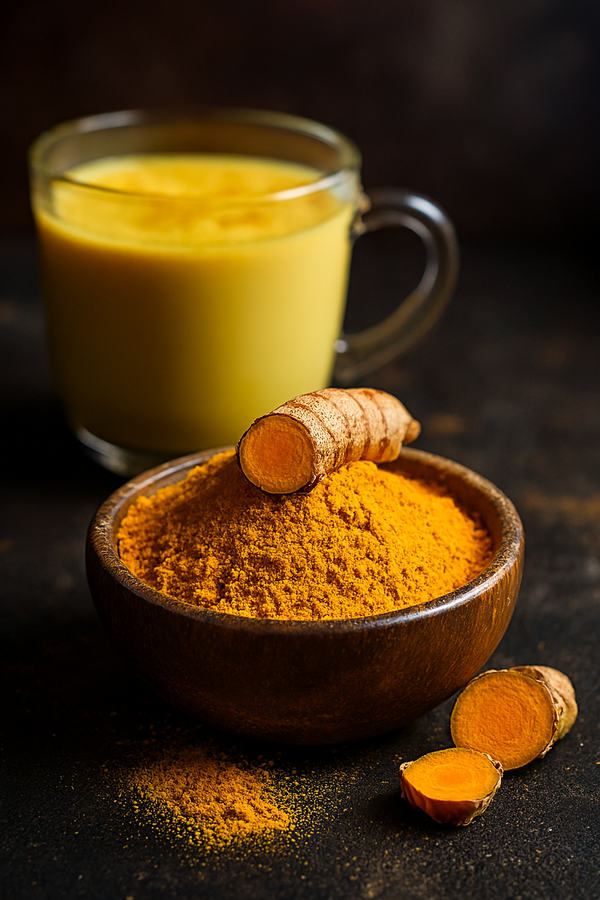
· Nutrition plays a vital role in reducing delayed onset of muscle soreness (DOMS) and keeping individuals motivated to continue physical activity. Antioxidant-rich foods such as tart cherries (103) help limit oxidative stress and inflammation. Omega-3 fatty acids from fish and plant sources reduce inflammatory responses and improve recovery (104). Adequate protein intake, especially timed around exercise, supports muscle repair and reduces soreness (105). Hydration and electrolytes maintain muscle function, while anti-inflammatory foods such as turmeric and ginger further ease discomfort. Together, these strategies accelerate recovery, minimise pain and encourage adherence to regular physical activity programmes.
Conclusion
Collectively, the evidence underscores physical activity as one of the most powerful and versatile determinants of health and well-being across diverse populations. While the physiological benefits of regular activity are substantial, they are not linear or unlimited; more is not always better, and inappropriate intensity, volume or recovery can introduce avoidable risks. Achieving recommended activity levels through a balanced combination of aerobic and resistance exercise—adapted to life stage, health status and personal circumstances—offers the greatest return with minimal harm. Physical activity and diet work in synergy. Balanced nutrition fuels performance, supports recovery and enhances adaptation. A sound diet’s health benefits are maximised when combined with regular physical activity. Ultimately, the goal is not maximal exercise, but sustainable enjoyable movement that supports long-term health, resilience and functional capacity, recognising that consistency, adaptability and recovery are as critical as the activity itself.
Disclaimer
Always seek advice from a qualified health care professional—such as a clinician or biokineticist—before beginning any new physical activity regimen. Individual needs and health conditions vary, and professional guidance ensures that exercise is safe, appropriate and effective for you.
Reflections on physical activity 🔄💡
🏃Do I accumulate at least 150 minutes of moderate activity (or 75 minutes vigorous), plus muscle‑strengthening on two or more days? If not, the priority is building frequency and duration before intensity.
💪 Does my activity feel challenging but sustainable? Can I speak in short sentences during moderate exercise, or feel pushed but not exhausted during vigorous sessions? Persistent fatigue, soreness, or poor recovery may signal overdoing it. Do I exercise too much?
📅 Is my movement spread across the week—through walking, structured exercise, or daily tasks—or crammed into one or two demanding sessions? Regular, distributed activity offers greater health benefits and lowers injury risk.
😴 Am I supporting my activity with recovery and diet? Do I sleep well, feel energised, and maintain stable mood and appetite? Poor sleep or declining performance may mean my activity exceeds recovery capacity.
🌟 Does my activity improve how I function and feel overall? When exercise feels obligatory, anxiety‑provoking, or harmful, it is time to reassess.
Love what you’re reading? Share the knowledge! 📨 Forward this link to a friend who might also enjoy it.
References📚
1. Strain T, Flaxman S, Guthold R, Semenova E, Cowan M, Riley LM, et al. National, regional, and global trends in insufficient physical activity among adults from 2000 to 2022: a pooled analysis of 507 population-based surveys with 5·7 million participants. The Lancet Global Health. 2024;12(8):e1232-e43.
2. Armstrong T, Bull F. Development of the world health organization global physical activity questionnaire (GPAQ). Journal of Public Health. 2006;14(2):66-70.
3. Coleman A, Johnson JL, Kwarteng JL, Holmes AU, Thorpe RJ, Heitman E. Domain-Specific Physical Activity and Obesity Risk among Black Men in the United States: Evidence of a Physical Activity Paradox. Journal of Racial and Ethnic Health Disparities. 2026.
4. Holtermann A, Krause N, Van Der Beek AJ, Straker L. The physical activity paradox: six reasons why occupational physical activity (OPA) does not confer the cardiovascular health benefits that leisure time physical activity does. BMJ Publishing Group Ltd and British Association of Sport and Exercise Medicine; 2017.
5. Chen J, Wang Y, Zhong Z, Chen X, Zhang L, Jie L, et al. Sex differences in the association of wearable accelerometer-derived physical activity with coronary heart disease incidence and mortality. Nature Cardiovascular Research. 2025:1-11.
6. Brody S. The Relative Health Benefits of Different Sexual Activities. The Journal of Sexual Medicine. 2010;7(4_part_1):1336-61.
7. Lafontant K, Rukstela A, Hanson A, Chan J, Alsayed Y, Ayers-Creech WA, et al. Comparison of concurrent, resistance, or aerobic training on body fat loss: a systematic review and meta-analysis. Journal of the International Society of Sports Nutrition. 2025;22(1):2507949.
8. Skelton DA, Mavroeidi A. Which strength and balance activities are safe and efficacious for individuals with specific challenges (osteoporosis, vertebral fractures, frailty, dementia)?: A Narrative review. J Frailty Sarcopenia Falls. 2018;3(2):85-104.
9. Girard O, Chevalier R, Habrard M, Sciberras P. Game analysis and energy requirements of elite squash. Journal of Strength and Conditioning Research. 2007;21(3):909.
10. Martín-Miguel I, Escudero-Tena A, Sánchez-Alcaraz BJ, Courel-Ibáñez J, Munoz D. Physiological, physical and anthropometric parameters in padel: A systematic review. International Journal of Sports Science & Coaching. 2025;20(1):407-24.
11. Yu R, Duncombe SL, Nemoto Y, Araujo RH, Chung H-F, Mielke GI. Physical activity trajectories and accumulation over adulthood and their associations with all-cause and cause-specific mortality: a systematic review and meta-analysis. British journal of sports medicine. 2025;59(17):1228-41.
12. Schwendinger F, Infanger D, Lichtenstein E, Hinrichs T, Knaier R, Rowlands AV, et al. Intensity or volume: the role of physical activity in longevity. European Journal of Preventive Cardiology. 2025;32(1):10-9.
13. Ekelund U, Tarp J, Ding D, Sanchez-Lastra MA, Dalene KE, Anderssen SA, et al. Deaths potentially averted by small changes in physical activity and sedentary time: an individual participant data meta-analysis of prospective cohort studies. The Lancet. 2026.
14. Antero J, Tanaka H, De Larochelambert Q, Pohar-Perme M, Toussaint J-F. Female and male US Olympic athletes live 5 years longer than their general population counterparts: a study of 8124 former US Olympians. British journal of sports medicine. 2021;55(4):206-12.
15. Han H, Hu J, Lee DH, Zhang Y, Giovannucci E, Stampfer MJ, et al. Physical activity types, variety, and mortality: results from two prospective cohort studies. BMJ Medicine. 2026;5(1):e001513.
16. Koemel NA, Biswas RK, Ahmadi MN, Teixeira-Pinto A, Hamer M, Rezende LFM, et al. Minimum combined sleep, physical activity, and nutrition variations associated with lifeSPAN and healthSPAN improvements: a population cohort study. eClinicalMedicine.
17. Qiu Y, Fernández-García B, Lehmann HI, Li G, Kroemer G, López-Otín C, et al. Exercise attenuates the hallmarks of aging: Novel perspectives. Journal of Sport and Health Science. 2025:101108.
18. Schellnegger M, Lin AC, Hammer N, Kamolz L-P. Physical activity on telomere length as a biomarker for aging: a systematic review. Sports medicine-open. 2022;8(1):111.
19. Bourdier P, Simon C, Bessesen DH, Blanc S, Bergouignan A. The role of physical activity in the regulation of body weight: The overlooked contribution of light physical activity and sedentary behaviors. Obesity Reviews. 2023;24(2):e13528.
20. Oppert J-M, Ciangura C, Bellicha A. Physical activity and exercise for weight loss and maintenance in people living with obesity. Reviews in Endocrine and Metabolic Disorders. 2023;24(5):937-49.
21. Bellicha A, van Baak MA, Battista F, Beaulieu K, Blundell JE, Busetto L, et al. Effect of exercise training on weight loss, body composition changes, and weight maintenance in adults with overweight or obesity: An overview of 12 systematic reviews and 149 studies. Obesity Reviews. 2021;22:e13256.
22. Holt J, Sandsdal RM, Byberg S, Janus C, Juhl CR, Jørgensen JR, et al. One Year of Exercise After Weight Loss Increases Postprandial GLP-1 Secretion in Contrast to Usual Activity or GLP-1 Receptor Agonist Treatment. Obesity. 2026;34(1):51-7.
23. Ramirez-Campillo R, Andrade D, Clemente F, Afonso J, Pérez-Castilla A, Gentil P. A proposed model to test the hypothesis of exercise-induced localized fat reduction (spot reduction), including a systematic review with meta-analysis. Human Movement. 2021;23(3):1-14.
24. Brobakken MF, Krogsæter I, Helgerud J, Wang E, Hoff J. Abdominal aerobic endurance exercise reveals spot reduction exists: A randomized controlled trial. Physiological reports. 2023;11(22):e15853.
25. Wang Y, He Z, Long C, Li Y, Yuan Y, Huang T. Systematic review and meta-analysis of antioxidants with or without exercise training improving muscle condition in older adults. Sci Rep. 2025;15(1):34356.
26. Chen N, He X, Feng Y, Ainsworth BE, Liu Y. Effects of resistance training in healthy older people with sarcopenia: a systematic review and meta-analysis of randomized controlled trials. European Review of Aging and Physical Activity. 2021;18(1):23.
27. Tan Z, Jiang Y, Candow DG, Castagna C, Wang X, Zheng H. Optimizing prescription of resistance training for body composition, muscle strength, and physical performance in older adults with sarcopenia: a systematic review and meta-analysis. European Review of Aging and Physical Activity. 2026.
28. Hernandez-Martinez J, Branco BHM, Vasquez-Carrasco E, Cid-Calfucura I, Herrera-Valenzuela T, Guzmán-Muñoz E, et al. Effects of Strength Training on Body Composition, Physical Performance, and Protein or Calcium Intake in Older People with Osteosarcopenia: A Meta-Analysis. Nutrients. 2025;17(17).
29. Miao T, Li X, Zhang W, Yang F, Wang X. Effects of high-impact jumping versus resistance exercise on bone mineral content in children and adolescents: a systematic review and meta-analysis. PeerJ. 2025;13:e19616.
30. Huiwen H, Ju H, Dong F, Yan F, Tao W. The effect of tennis on male bone mineral density: A meta-analysis. PloS one. 2025;20(8):e0328636.
31. Siyahtaş A, Sayın E, Kurnaz D. The effect of leisure-time physical activities on bone mineral density in postmenopausal women: Systematic review and meta-analysis. Arch Gerontol Geriatr. 2026;140:106054.
32. Huang S, Chen Z, Li H, Zheng L, Zhou Z, Peng X, et al. An overview of the multi-dimensional mechanisms of exercise-regulated hormones and growth factors in cardiac physiological adaptation. Frontiers in Physiology. 2025;16:1642389.
33. Scott CL, Morgan ML, Kelley GA, Nyman SR. Effects of an Acute Bout of Exercise on Cognitive Function in Adults With Cognitive Impairment: A Systematic Review With Meta-Analysis of Randomized Controlled Trials. Journal of Physical Activity and Health. 2025:1-10.
34. Zhang J, Ye W, Li W, Zhang F, Wu Z. Comparative efficacy of exercise interventions for cognitive health in older adults: A network meta-analysis. Experimental Gerontology. 2025;206:112768.
35. Wu J, Huang C. A systematic review and meta-analysis of the effects of resistance exercise on cognitive function in older adults. Frontiers in Psychiatry. 2025;16:1708244.
36. Diaz-Galvan P, Franco-Rosado P, Silva-Rodriguez J, Castro-Labrador S, Labrador-Espinosa MA, Muñoz-Delgado L, et al. Association of Physical Exercise With Structural Brain Changes and Cognitive Decline in Patients With Early Parkinson Disease. Neurology. 2025;105(5):e213932.
37. Marino FR, Lyu C, Li Y, Liu T, Au R, Hwang PH. Physical Activity Over the Adult Life Course and Risk of Dementia in the Framingham Heart Study. JAMA Network Open. 2025;8(11):e2544439-e.
38. Korczak DJ, Madigan S, Colasanto M. Children’s physical activity and depression: a meta-analysis. Pediatrics. 2017;139(4):e20162266.
39. Men J, Zhang Y, Wu S, Wang P, Yu Z, Zhu G, et al. Does physical activity really improve anxiety and depression in overweight or obese children and adolescents? A systematic review and meta-analysis. BMC Psychiatry. 2026.
40. Pearce M, Garcia L, Abbas A, Strain T, Schuch FB, Golubic R, et al. Association Between Physical Activity and Risk of Depression: A Systematic Review and Meta-analysis. JAMA Psychiatry. 2022;79(6):550-9.
41. Clegg AJ, Hill JE, Mullin DS, Harris C, Smith CJ, Lightbody CE, et al. Exercise for depression. Cochrane Database of Systematic Reviews. 2026(1).
42. Buğday B, Çelik AL, Safran EE, Şevgin Ö. Impact of resistance exercise and diet on physical activity, sleep, and fatigue in obese individuals: a randomized controlled trial. BMC Public Health. 2025;25(1):2282.
43. Zhang Y, Lee DH, Rezende LFM, Keum N, Giovannucci EL. Consistent Adherence to Physical Activity Guidelines and Digestive System Cancer Risk and Mortality. JAMA Oncology. 2025.
44. Orange ST, Dodd E, Nath S, Bowden H, Jordan AR, Tweddle H, et al. Exercise serum promotes DNA damage repair and remodels gene expression in colon cancer cells. International Journal of Cancer. 2025.
45. Mandal AK, Rana T, Shrestha S, Mat Hassan MK, Au-Yong P, Syed Abdul Kadir SZ, et al. Effectiveness of aerobic exercise in reducing blood pressure among obese adults: systematic review and meta-analysis. Journal of Hypertension. 9900:10.1097/HJH.0000000000004138.
46. Haennel RG, Lemire F. Physical activity to prevent cardiovascular disease. How much is enough? Canadian Family Physician. 2002;48(1):65.
47. LaMonte MJ, Eaton CB. Physical Activity in the Treatment and Prevention of Heart Failure: An Update. Curr Sports Med Rep. 2021;20(8):410-7.
48. Swift DL, Houmard JA, Slentz CA, Kraus WE. Effects of aerobic training with and without weight loss on insulin sensitivity and lipids. PloS one. 2018;13(5):e0196637.
49. Myint PK, Luben RN, Wareham NJ, Welch AA, Bingham SA, Khaw K-T. Physical activity and fibrinogen concentrations in 23,201 men and women in the EPIC-Norfolk population-based study. Atherosclerosis. 2008;198(2):419-25.
50. Aalipanah E, Askarpour M, Eskandari MH, Zare M, Famouri M, Bedeltavana A, et al. Comparing the effects of yogurt containing Akkermansia muciniphilia postbiotic with yogurt containing Lactobacillus rhamnosus postbiotic on body composition, biochemical indices, appetite, and depression scores in overweight or obese adults: A randomized, double-blind, controlled clinical trial. Clin Nutr ESPEN. 2025;68:438-46.
51. Amare F, Kiflu A, Taddese A. Effects of concurrent continuous aerobic and short rest resistance exercise training on metabolic biomarkers in type 2 diabetes patients: a systematic review and meta-analysis. Diabetol Metab Syndr. 2025;17(1):290.
52. Shute RJ, Montalvo RN, Shen W, Guan Y, Yu Q, Zhang M, et al. Weightlifting outperforms voluntary wheel running for improving adiposity and insulin sensitivity in obese mice. Journal of Sport and Health Science. 2025:101100.
53. Amaravadi SK, Ferreira AS, Vigário PDS. Comparative effects of combined aerobic and resistance training versus high-intensity interval training on insulin resistance, glycaemic control, body composition and quality of life in type 2 diabetes: A 12-week randomised controlled trial. PloS one. 2025;20(12):e0336898.
54. Fedewa MV, Hathaway ED, Ward-Ritacco CL. Effect of exercise training on C reactive protein: a systematic review and meta-analysis of randomised and non-randomised controlled trials. British journal of sports medicine. 2017;51(8):670-6.
55. Feng W, Wang Y, Gu X, Yu D, Liu Z. Exercise as a modulator of systemic inflammation and oxidative stress biomarkers across clinical and healthy populations: an umbrella meta-analysis. BMC Sports Science, Medicine and Rehabilitation. 2025;17(1):360.
56. Magni O, Arnaoutis G, Panagiotakos D. The impact of exercise on chronic systemic inflammation: a systematic review and meta–meta-analysis. Sport Sciences for Health. 2025:1-13.
57. Cao M, Sun P, Wang X, Zhao M. The Effects of High-Intensity Interval Training on Inflammatory Cytokines in Children and Adolescents with Obesity: A Systematic Review and Meta-Analysis. Metabolites. 2026;16(1):88.
58. de Melo DG, de Sá Pereira GJ, dos Santos Canciglieri R, da Cruz Rodrigues VC, de Campos TDP, da Costa Fernandes CJ, et al. Seven days of strength training reprograms hydroxymethylation in the visceral adipose tissue of obese Swiss mice. Journal of Endocrinology. 2025;267(3).
59. Chastin SFM, Abaraogu U, Bourgois JG, Dall PM, Darnborough J, Duncan E, et al. Effects of Regular Physical Activity on the Immune System, Vaccination and Risk of Community-Acquired Infectious Disease in the General Population: Systematic Review and Meta-Analysis. Sports Medicine. 2021;51(8):1673-86.
60. Berry C, McKinley G, Bayes HK, Anderson D, Lang CC, Gill A, et al. Resistance Exercise Therapy After COVID-19 Infection: A Randomized Clinical Trial. JAMA Network Open. 2025;8(11):e2534304-e.
61. Cui J, Xie F, Yue H, Xie C, Ma J, Han H, et al. Physical activity and constipation: A systematic review of cohort studies. J Glob Health. 2024;14:04197.
62. Xie J, Lin Y, Wang B. Efficacy and optimal dosage of various exercises for migraine: a multilevel network and dose-response meta-analysis. PeerJ. 2025;13:e20254.
63. Conn VS, Hafdahl AR, Minor MA, Nielsen PJ. Physical Activity Interventions Among Adults with Arthritis: Meta-Analysis of Outcomes. Seminars in Arthritis and Rheumatism. 2008;37(5):307-16.
64. Zhao H, Wang Y. Effects of physical exercise on aggressive behavior in children and adolescents: a systematic review and meta-analysis. BMC Public Health. 2025;25(1):3977.
65. Wang K, Qiu F. Longitudinal Association Between Physical Activity and School Bullying in Adolescents: A Cross-Lagged Panel Model. Behavioral Sciences. 2025;15(9):1236.
66. Shakoor E, Sortwell A, Ramirez-Campillo R. Lifting More Than Weights: Multi-dimensional Health Benefits of Resistance Training in Children. International Journal of Kinesiology & Sports Science. 2025;13(3):1.
67. Nasiri M, Monazzami A, Alavimilani S, Asemi Z. Modulation of hormonal, metabolic, inflammatory and oxidative stress biomarkers in women with polycystic ovary syndrome following combined (resistant and endurance) training: a randomized controlled trail. BMC Endocr Disord. 2025;25(1):1.
68. Zhao Y, Long Y, Zhu H, He R, Chen Y, Li J. High-intensity interval training versus moderate-intensity continuous training for polycystic ovary syndrome: a meta-analysis of randomized controlled trials. Front Endocrinol (Lausanne). 2025;16:1672257.
69. Fergus KB, Gaither TW, Baradaran N, Glidden DV, Cohen AJ, Breyer BN. Exercise Improves Self-Reported Sexual Function Among Physically Active Adults. The Journal of Sexual Medicine. 2019;16(8):1236-45.
70. Yin X, Anwar A, Yan L, Yu R, Luo Y, Shi L, et al. Paternal exercise confers endurance capacity to offspring through sperm microRNAs. Cell Metabolism. 2025;37(11):2167-84. e8.
71. Dong J, Chi J, Lei EF. Effects of prenatal exercise on prenatal and postpartum depression and anxiety symptoms: A systematic review and network meta-analysis. J Affect Disord. 2026;393(Pt B):120438.
72. Poprzeczny AJ, Deussen AR, Mitchell M, Slade L, Louise J, Dodd JM. Antenatal Physical Activity Interventions and Pregnancy Outcomes: A Systematic Review and Meta‐Analysis With a Focus on Trial Quality. BJOG: An International Journal of Obstetrics & Gynaecology. 2025;132(6):709-23.
73. Liu X, Guo X, Jie R, Tang Y. The effects of high intensity exercise on pregnancy outcomes and complications during pregnancy: a meta-analysis of randomized controlled trials. European Journal of Applied Physiology. 2025;125(7):1905-21.
74. Andargie BA, Legas A, W/Sellassie A, Abuhay H, Angaw DA. Effects of physical exercise during pregnancy on delivery outcomes: Systematic review and meta-analysis of randomized controlled trials. PloS one. 2025;20(7):e0326868.
75. Poyatos-León R, García-Hermoso A, Sanabria-Martínez G, Álvarez-Bueno C, Cavero-Redondo I, Martínez-Vizcaíno V. Effects of exercise-based interventions on postpartum depression: A meta-analysis of randomized controlled trials. Birth. 2017;44(3):200-8.
76. Tavares AI. Physical activity and healthy diet: determinants and implicit relationship. Public Health. 2014;128(6):568-75.
77. Altunalan T, Arslan E, Ocakoglu AO. The relationship between physical activity level and timing and sleep quality and hygiene in healthy individuals: a cross-sectional study. BMC Public Health. 2024;24(1):3261.
78. Churchill R, Riadi I, Kervin L, Teo K, Cosco T. Deciphering the role of physical activity in stress management during a global pandemic in older adult populations: a systematic review protocol. Systematic Reviews. 2021;10(1):140.
79. Xu J, Zhang S, Chen Z, Wu Z. Effects of exercise intervention on tobacco dependence: a meta-analysis. Frontiers in Public Health. 2025;Volume 13 - 2025.
80. Bruyère O, Kaux J-F. How much sport is too much? A focus on musculoskeletal health of the adult. Aging Clinical and Experimental Research. 2023;35(7):1401-3.
81. Nichols AW. Heat-related illness in sports and exercise. Current Reviews in Musculoskeletal Medicine. 2014;7(4):355-65.
82. Hew-Butler T, Loi V, Pani A, Rosner MH. Exercise-associated hyponatremia: 2017 update. Frontiers in medicine. 2017;4:21.
83. Porter JW, Pettit-Mee RJ, Ready ST, Liu Y, Lastra G, Chockalingam A, et al. Post meal exercise may lead to transient hypoglycemia irrespective of glycemic status in humans. Frontiers in Endocrinology. 2020;11:578.
84. Schneider KJ, Patricios JS. Amsterdam 2022 International Consensus on Concussion in Sport: calling clinicians to action! : BMJ Publishing Group Ltd and British Association of Sport and Exercise Medicine; 2023. p. 615-6.
85. Cosh S, McNeil D, Tully P. Compulsive exercise and its relationship with mental health and psychosocial wellbeing in recreational exercisers and athletes. Journal of Science and Medicine in Sport. 2023;26(7):338-44.
86. Ashley P, Di Iorio A, Cole E, Tanday A, Needleman I. Oral health of elite athletes and association with performance: a systematic review. British journal of sports medicine. 2015;49(1):14-9.
87. Karimian J, Esfahani PS. Supplement consumption in body builder athletes. J Res Med Sci. 2011;16(10):1347-53.
88. Karp J. Can You Outrun a Bad Diet? Current Sports Medicine Reports. 2025;24(10):307-8.
89. Botha CR, Moss S, Kolbe-Alexander T. “Be active!” Revisiting the South African food-based dietary guideline for activity. South African Journal of Clinical Nutrition. 2013;26:S18-S27.
90. Ding D, Nguyen B, Nau T, Luo M, del Pozo Cruz B, Dempsey PC, et al. Daily steps and health outcomes in adults: a systematic review and dose-response meta-analysis. The Lancet Public Health. 2025;10(8):e668-e81.
91. del Pozo Cruz B, Ahmadi M, Sabag A, Saint Maurice PF, Lee I-M, Stamatakis E. Step accumulation patterns and risk for cardiovascular events and mortality among suboptimally active adults. Annals of Internal Medicine. 2025.
92. Wan KW, Dai ZH, Wong PS, Huang WY, Lei EF, Little JP, et al. Effects of Exercise Snacks on Cardiometabolic Health and Body Composition in Adults: A Systematic Review and Meta-Analysis. Scand J Med Sci Sports. 2025;35(8):e70114.
93. Car J, Pekošak L, Arechvo A, Davenport MH. Personalised physical activity guidelines for pregnant women with overweight and obesity: a neglected priority. The Lancet Obstetrics, Gynaecology, & Women’s Health. 2025;1(4):e320-e4.
94. Lally P, van Jaarsveld CHM, Potts HWW, Wardle J. How are habits formed: Modelling habit formation in the real world. European Journal of Social Psychology. 2010;40(6):998-1009.
95. Keller J, Kwasnicka D, Klaiber P, Sichert L, Lally P, Fleig L. Habit formation following routine-based versus time-based cue planning: A randomized controlled trial. Br J Health Psychol. 2021;26(3):807-24.
96. Singh B, Murphy A, Maher C, Smith AE. Time to Form a Habit: A Systematic Review and Meta-Analysis of Health Behaviour Habit Formation and Its Determinants. Healthcare (Basel). 2024;12(23).
97. Teixeira DS, Rodrigues F, Machado S, Cid L, Monteiro D. Did You Enjoy It? The Role of Intensity-Trait Preference/Tolerance in Basic Psychological Needs and Exercise Enjoyment. Front Psychol. 2021;12:682480.
98. Lacharité-Lemieux M, Brunelle JP, Dionne IJ. Adherence to exercise and affective responses: comparison between outdoor and indoor training. Menopause. 2015;22(7):731-40.
99. Kirgios EL, Mandel GH, Park Y, Milkman KL, Gromet DM, Kay JS, et al. Teaching temptation bundling to boost exercise: A field experiment. Organizational Behavior and Human Decision Processes. 2020;161:20-35.
100. Jackson SE, Steptoe A, Wardle J. The influence of partner’s behavior on health behavior change: the English Longitudinal Study of Ageing. JAMA internal medicine. 2015;175(3):385-92.
101. Frank LD, Carson J. Obesity, Sprawl, and Time Spent in Cars Revisited: Converging Public Health and Transportation Policy. American Journal of Preventive Medicine. 2026;70(1).
102. Halonen EJ, Gabriel I, Kelahaara MM, Ahtiainen JP, Hulmi JJ. Does Taking a Break Matter-Adaptations in Muscle Strength and Size Between Continuous and Periodic Resistance Training. Scand J Med Sci Sports. 2024;34(10):e14739.
103. Connolly D, McHugh M, Padilla-Zakour O. Efficacy of a tart cherry juice blend in preventing the symptoms of muscle damage. British journal of sports medicine. 2006;40(8):679-83.
104. Lee SR, Directo D, Kang Y, Stein J, Calvert M, An YW, et al. Effects of Acute Fish Oil Supplementation on Muscle Function and Soreness After Eccentric Contraction-Induced Muscle Damage. Nutrients. 2025;17(21).
105. Jäger R, Kerksick CM, Campbell BI, Cribb PJ, Wells SD, Skwiat TM, et al. International society of sports nutrition position stand: protein and exercise. Journal of the International Society of Sports Nutrition. 2017;14(1):20.
In developing this work, the author utilised Copilot to assist with language editing.