The importance of research in nutrition and dietetics
Q&A (Vitamin C Part 1): What does vitamin C do in the body and what happens when it’s lacking?
Vitamin C (ascorbic acid) is an essential nutrient found abundantly in fruits and vegetables. In Part 1, discover how vitamin C supports collagen formation, wound healing, immune function, antioxidant defence and many other vital processes, why deficiency can lead to scurvy, and who is most at risk.
Q&A: Eggs and health: Sunny side up or down?
Eggs are affordable, versatile and nutrient-dense foods that provide high-quality protein and essential nutrients. This evidence-based review explores their effects on heart health, diabetes, cognition, growth, weight management and healthy ageing.
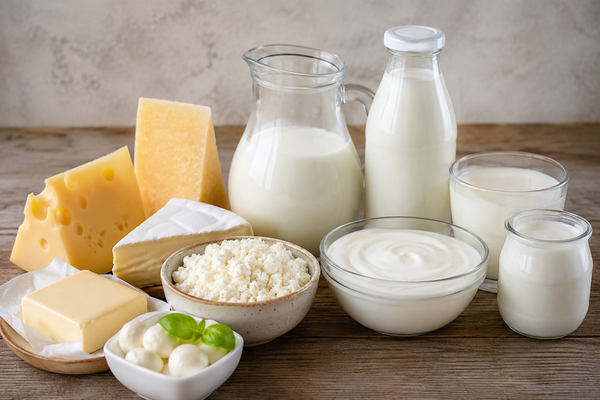
Q&A: What does the science really say about milk consumption and health?
Cow’s milk is a nutrient-dense food that provides protein, calcium and vitamin B12 to support bones, muscles and overall health. For most people, milk, maas and yoghurt are safe and beneficial, but tolerance varies and effects depend on the type consumed and the overall diet.
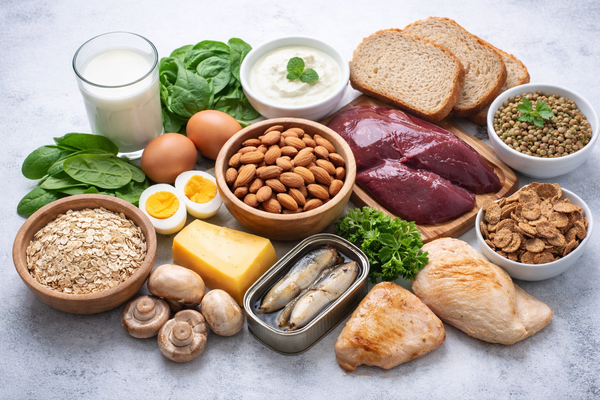
Q&A: Are you getting enough riboflavin (vitamin B2) for optimal energy and health?
Riboflavin (vitamin B₂) is essential for energy production, redox balance, and iron metabolism. Found in dairy, meat and fortified foods, it supports multiple metabolic pathways. Although deficiency is uncommon, suboptimal intake may impact fatigue, anaemia and chronic disease risk.
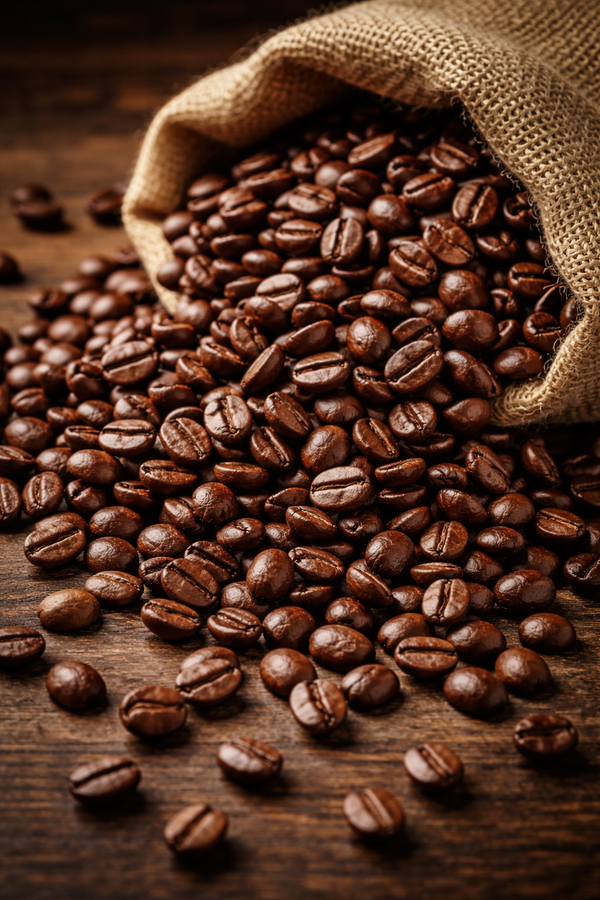
Q&A (Coffee Part 1): What coffee is and what’s inside?
Coffee is a complex, widely consumed beverage. It contains bioactive compounds such as caffeine and antioxidants that influence flavour and function. These foundations inform the health effects explored in Part 2: Is coffee a health elixir or a hidden risk?
Q&A: Is creatine only for athletes and bodybuilders?
Creatine is often linked to athletes and bodybuilding, yet its benefits extend far beyond the gym. This article examines creatine synthesis, dietary sources, supplementation and diverse health effects—from exercise and cognition to chronic disease—while addressing safety and practical use.
Q&A: Why does physical activity matter for health?
Physical activity is a fundamental health need—synergising with diet, protecting body and mind, reducing disease risk, and delivering lifelong benefits when done consistently and sustainably.
Q&A: Can turmeric’s bioactive compound curcumin truly transform health?
Turmeric is a culturally rich spice with a potent bioactive compound curcumin. Curcumin may support metabolic, cardiovascular and brain health. This article explores turmeric’s culinary roots, bioavailability, safety and curcumin's therapeutic potential.
Q&A (Coffee Part 2): Is coffee a health elixir or a hidden risk?
Coffee is a chemically rich beverage. Moderate intake may lower risks of diabetes, heart disease and neurodegeneration, while excess use can disrupt sleep and raise cholesterol. This article explores coffee’s health effects and tips for mindful consumption.
Q&A: Are energy drinks boosting your health or harming it?
Energy drinks promise a quick energy boost, but their high caffeine, sugar, and stimulant content can pose health risks—especially for children and frequent users. This article explores what's really inside these drinks, their effects on the body, and safer alternatives to consider.