🧂 Sodium and dietary salt : How much is just right? ⚖️
Most of us eat too much salt, a few eat too little, and the shaker is rarely the main culprit. Here I unpack what salt really is, whether "natural" salts are better, why iodine matters, how much sodium is just right, and who needs more rather than less.

⚡ The short version
🧂 Salt is sodium chloride: about 39% sodium and 61% chloride by weight and it's the sodium that affects health (1).
💎 Pink, Celtic and other "natural" salts are still 90–99% salt. Their trace minerals are far too small to matter nutritionally (2).
🥖 For most people, the salt shaker isn't the main problem: about three-quarters of sodium comes from processed foods and in South Africa bread alone provides 25–40% (3, 4).
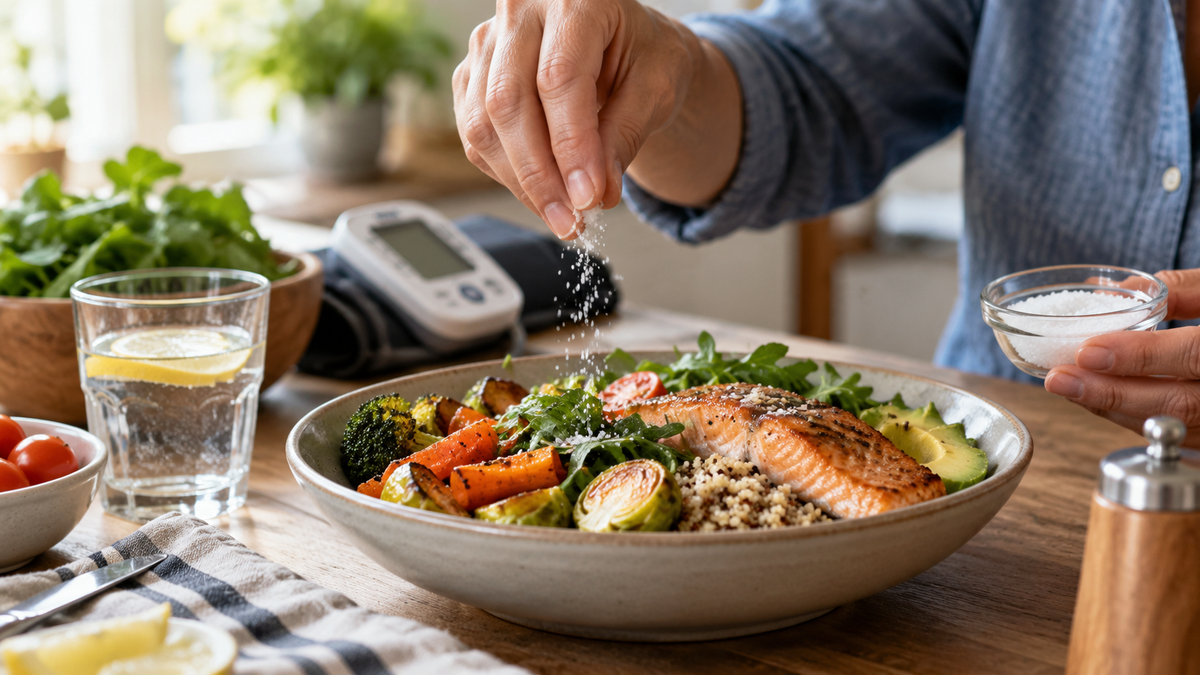
📏 The World Health Organisation advises less than 2,000 milligrams of sodium (5 grams of salt, about one level teaspoon) a day (5).
❤️ Too much salt raises blood pressure and the risk of stroke, heart and kidney disease, and probably stomach cancer (6, 7, 8, 9).
⚠️ Too little can also harm, especially with heavy sweating, some medicines and certain medical conditions.
🧪 Keep using iodised salt: use less of it, rather than switching to a salt without iodine (10).
🧂 What exactly is salt?
Salt is the everyday name for sodium chloride, a crystal built from sodium and chloride. By weight it is roughly 39% sodium and 61% chloride (1).
📜 The legal definition: international food standards require "food-grade salt" to be at least 97% sodium chloride once dried. The rest is naturally occurring calcium, potassium and magnesium compounds, plus any permitted additives such as anti-caking agents or iodine (1). That rule applies to every edible salt on the shelf, including the fancy ones.
⛏️ How salt is made (11):
🪨 Rock-salt mining: digging out ancient underground salt beds (this is where Himalayan pink salt and Redmond Real Salt come from) ☀️ Solar evaporation: letting sun and wind dry out seawater in shallow ponds (Celtic sea salt is hand-raked this way) 🔥 Vacuum-pan evaporation: boiling brine under partial vacuum to make the fine, uniform crystals of ordinary table salt
Rock and solar salts are less refined, so they keep more moisture and more incidental minerals, and their crystals are less uniform. That's a difference in processing, not in chemistry.
💎 Do "natural" salts have health benefits?
This is where marketing and science part ways 🤔.
⭐ An analysis of 31 pink salt products sold in Australia, compared with iodised white table salt, found pink salt did contain more potassium, magnesium, calcium and iron. But you would need to eat more than 30 grams of pink salt a day, about six teaspoons, to get a meaningful amount of those minerals (2).
⚠️ That much salt would deliver well over 10 grams of sodium, several times the recommended maximum, which defeats the purpose entirely. Some samples also contained potentially harmful minerals, and one exceeded Australia's legal limit for lead (2).
💡 The takeaway: Celtic, Himalayan and Redmond salts are each about 90–99% sodium chloride. As McGill University's Office for Science and Society puts it, it makes no real difference to your body which salt you choose (12). "Natural" or "unrefined" describes how a salt was made, not how healthy it is.
| 🧂 Feature | Iodised table salt | Celtic sea salt | Himalayan pink salt | Redmond Real Salt |
|---|---|---|---|---|
| Where it comes from | Mined or brine, industrially refined | Coastal marshes of Brittany, France | Khewra mine, Pakistan | Ancient seabed, Utah, United States |
| How it's made | Vacuum-pan evaporation | Solar evaporation, hand-raked | Rock-salt mining | Rock-salt mining |
| Looks like | Fine, uniform white crystals | Moist, greyish crystals | Pale to deep pink | Pink-flecked, variable |
| Trace minerals | Very low | Slightly higher | Slightly higher | Slightly higher |
| Contains iodine? | Yes, where the law requires it | Usually not | Usually not | Usually not |
🧪 The one mineral that really does matter: iodine
None of these salts naturally contains useful amounts of iodine: seawater and rock salt hold only tiny, unpredictable traces, and iodine is easily lost during processing and storage (10).
🌍 That's why countries add iodine to salt on purpose. Salt iodisation is one of the most successful and cost-effective public health measures ever introduced, preventing goitre, thyroid problems and impaired brain development in children (10).
🇿🇦 In South Africa, iodising salt for human consumption is compulsory by law, at roughly 35–65 milligrams of iodine per kilogram of salt (13).
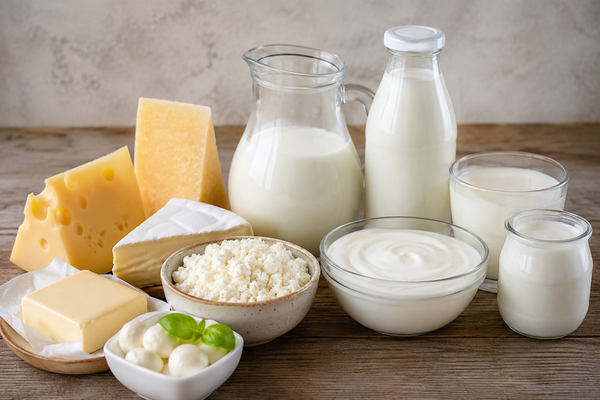
⚠️ The catch: speciality and imported salts are usually sold without iodine. Someone who swaps iodised table salt for pink or Celtic salt, without other reliable iodine sources such as dairy, eggs, seafood or fortified bread, may end up short of iodine (10, 13). This matters most for pregnant and breastfeeding women and young children, because even mild iodine deficiency can affect a baby's brain development (10).
💡 So there are two separate questions: how much sodium a salt contains (basically the same for all of them) and whether it contains iodine (entirely depends on fortification).
🥖 Where your salt actually comes from
Most people picture the salt shaker, but that's not where most sodium comes from.
Dietary sodium comes from three places:
🥦 Naturally in foods such as meat, vegetables, dairy and grains: a small amount 🏭 Added during manufacturing: bread, processed meats, cheese, sauces, snacks and ready meals 🧂 Added by you, when cooking or at the table
⭐ In a classic American study that weighed people's food and even their salt shakers, 77% of sodium came from processed food, about 12% occurred naturally in food, and only about 11% came from the salt shaker and home cooking (3). The pattern is similar across many high- and middle-income countries, although in places such as China and India, home-added salt can still be half or more of the total (14).
🇿🇦 In South Africa, an estimated 25–40% of daily sodium comes from bread alone. That's why, in 2013, South Africa became the first country in the world to set legally binding maximum sodium levels for 13 categories of processed food, including bread, processed meat, margarine, stock cubes and savoury snacks. Most products now comply, and intake has fallen without consumers having to change their own habits (4).
💡 What this means for you: reading labels and choosing less processed foods will usually cut your sodium far more than changing what's in your salt shaker.
💪 What sodium does in your body
Sodium isn't the enemy: it's an essential nutrient (15, 16).
💧 With chloride, it controls the amount of fluid in your body and therefore your blood volume and blood pressure ⚡ It creates the electrical charge across cell membranes needed for nerve signals and muscle contraction, including your heartbeat 🍽️ It drives the absorption of glucose and amino acids in the gut and their reabsorption in the kidney, which is why oral rehydration solutions contain salt 🧪 Chloride is needed to make stomach acid and to keep acid–base balance
🫘 Your kidneys are very good at holding on to sodium when intake is low, so healthy people stay in balance across a wide range of intakes (16).
📏 How much do we need?
| 🌐 Source | Who | Amount of sodium per day |
|---|---|---|
| United States and Canada (2019) | Adults and teenagers from 14 years, including pregnancy | 1,500 milligrams as an adequate intake; reduce intake if above 2,300 milligrams |
| United States and Canada (2019) | Children | 800–1,200 milligrams (ages 1–3) rising to 1,200–1,800 milligrams (ages 9–13) |
| World Health Organization | Adults | Less than 2,000 milligrams (5 grams of salt) |
| World Health Organization | Children aged 2–15 | The adult limit, adjusted down for their smaller energy needs |
| European Food Safety Authority | Adults | 2,000 milligrams, considered safe and adequate |
(5, 16, 17, 18)
🔢 Converting the numbers: multiply sodium by 2.5 to get salt. So 2,000 milligrams of sodium = 5 grams of salt ≈ one level teaspoon.
⚠️ Too much salt: what the evidence shows
Not all evidence is equally strong, so look out for these symbols:
⭐ = based on a review of many studies or a randomised controlled trial 🔹 = based on a single observational study, which shows a link but not cause and effect 🐭 = based on animal or laboratory research
❤️ Heart disease and stroke: ⭐ an umbrella review of 21 meta-analyses found that a high salt intake raises cardiovascular risk, while cutting sodium lowers blood pressure and death rates, with no harm to blood fats (6). Stroke shows the strongest link: ⭐ across 13 studies of 177,025 people, a difference of about 5 grams of salt a day was linked to 23% more strokes (7).
🫘 Kidney disease: ⭐ in people with chronic kidney disease, cutting salt by about 4.2 grams a day lowered blood pressure by roughly 7/4 millimetres of mercury and protein in the urine by 36% (8). Guidelines advise people with kidney disease and high blood pressure to stay below 2,000 milligrams of sodium a day (19).
🪨 Kidney stones: ⭐ in men with recurrent calcium stones, a diet with normal calcium but less salt and animal protein roughly halved the chance of another stone (20).
🦴 Bones: a modern diet high in salt and low in potassium creates an acid load that the body buffers partly by drawing on bone, which may contribute to calcium loss and osteoporosis (21). ⭐ In postmenopausal women, high sodium raises calcium loss in urine, but a 2025 review found surprisingly few good studies on this question (22).
🎗️ Stomach cancer: ⭐ expert cancer bodies judge that salt-preserved foods, such as salted fish and pickled vegetables, probably increase stomach cancer risk (9). ⭐ Across 26 studies of nearly five million people, both high and moderate salt intakes were linked to more gastric cancer (23). 🔹 In the UK Biobank, people who always added salt at the table had a 41% higher risk (24). Salt appears to damage the stomach lining and worsen the harm from Helicobacter pylori infection (9, 23).
🐟 Nose and throat cancer: Chinese-style salted fish is classified as carcinogenic to humans, mostly because of compounds formed during salting and drying rather than the salt itself (25).
🍬 Type 2 diabetes: 🔹 among 402,982 UK Biobank participants, those who "always" added salt had a 28% higher risk of type 2 diabetes, although this may partly reflect an overall less healthy lifestyle (26).
🧠 Memory: 🔹 in 1,208 older Australians followed for six years, higher sodium intake was linked to faster memory decline in men, but not in women (27).
🫀 Liver disease: in advanced cirrhosis with fluid build-up, moderate sodium restriction (about 4.6–6.9 grams of salt a day) is recommended; stricter limits can worsen undernutrition (28).
🤕 Other: ⭐ headaches were less frequent on a lower-sodium diet in the DASH-Sodium trial (29). Salt restriction is routinely advised for Ménière's disease, but a Cochrane review found no trial evidence either way (30). 🔹 Higher salt intake has been linked to obesity, possibly through thirst and sugary drinks, but cause and effect are unproven (31).
🦠 Immune system and gut bacteria (emerging): 🐭 in mice, salt promoted inflammatory immune cells and worsened a model of multiple sclerosis (32), and a high-salt diet depleted Lactobacillus bacteria, with similar signs in a small study of healthy men (33). Treat these as interesting but unproven in people.
🧂 Too little salt: the other side
Salt is essential, so intake can also be too low, usually because of losses rather than diet.
💧 Low blood sodium (hyponatraemia) is rarely caused by eating too little salt. It usually follows heavy sweating, vomiting, diarrhoea, water pills, kidney or hormone problems, or drinking too much plain water during endurance events (34, 35). Symptoms range from headache, nausea, tiredness and cramps to confusion and, in severe cases, seizures (34).
🍬 Insulin resistance: ⭐ very low salt intakes for a few days do worsen insulin sensitivity (36, 37, 38), probably by activating hormone and nervous system responses. But ⭐ moderate salt reduction over weeks, the amount guidelines actually recommend, has not shown this effect (39, 40, 41). A 2023 review arguing the opposite drew specifically on studies showing harm, and mostly on severe, short-term restriction (42).
💔 Heart failure: ⭐ in a review of 16 trials with 2,260 patients, strict sodium restriction was linked to higher death rates, without fewer hospital admissions (43). Advice here should be individualised, not strict.
📉 The "J-curve" debate: some studies, especially the PURE study, suggest that very low sodium is also risky (44). However, those estimates came from single spot urine samples. ⭐ When sodium was measured properly with repeated 24-hour urine collections over 24 years, the relationship with death was straightforwardly linear, with no J-shape (45), and a re-analysis showed the spot-urine method creates an artificial J-curve (46).
👥 Who may need more salt, not less?
🧓 Older adults with mild long-term low sodium, which is linked to falls, unsteadiness and attention problems (47) 💓 People with postural orthostatic tachycardia syndrome or recurrent fainting, who are usually advised to take extra salt and fluid (48) 🫁 People with cystic fibrosis, who lose a lot of sodium in sweat (49) 🩺 People with Addison's disease (primary adrenal insufficiency), who lose sodium and often crave salt (50)
🧬 Salt and your genes
People differ a lot in how their blood pressure responds to salt, a trait called salt sensitivity. It is more common with older age, in women, and in people with obesity, high blood pressure, diabetes, kidney disease or African ancestry. Roughly half of people with high blood pressure, and a quarter of those with normal blood pressure, are salt sensitive (51).
🧬 It is partly inherited: in family studies, genes explained roughly 24–42% of the differences in blood pressure responses to changes in salt (52). The genes involved mostly control how the kidney handles sodium (53).
🚫 But no genetic test is ready for the clinic: individual gene effects are small, many findings haven't been repeated, and most research has been done in Chinese or European populations (51, 53, 54). The higher rate of salt sensitivity in Black populations probably reflects social and environmental factors as well as ancestry (54).
💡 Practical message: genotyping adds nothing right now. Eating less salt and more potassium (from vegetables, fruit and legumes) suits everyone, and matters most for people with known risk factors.
🌍 What's being done globally
📊 The World Health Organisation estimates that excess sodium contributed to 1.7 million deaths in 2023 and that average intake worldwide is still more than double the recommended level (55).
📦 In May 2026 it released the second edition of SHAKE the Salt Habit, a practical package of measures for countries to reduce salt, including advice on managing conflicts of interest with the food industry (55).
🤝 Salt reduction and iodine fortification work together. The World Health Organization recommends that all food-grade salt, including salt used by manufacturers, be iodised (10), and that iodine levels be adjusted as population salt intake falls, with monitoring of both (56).
🎯 The bottom line
🧂 All salts are basically sodium chloride. Pink, sea and rock salts offer no meaningful nutritional advantage.
🧪 The one real difference is iodine and speciality salts usually don't have it.
🥖 Most sodium comes from processed foods, not the shaker, so labels matter more than brands.
⚖️ Aim for under 5 grams of salt (one teaspoon) a day, but remember that some people need more, not less.
🥦 Pair less sodium with more potassium from vegetables, fruit and legumes.
💡 Salt is a "Goldilocks" nutrient: most people eat too much, a few eat too little and the aim is an amount that's just right.
💭 Questions to ask yourself
🥖 Where does my salt really come from? Before switching brands, have I checked the labels on bread, cereals, processed meats, cheese, stock cubes, sauces and snacks and compared them per 100 grams? (3, 4)
👅 What is my taste telling me? A liking for salt is learned and reversible: cut back and, within weeks to months, food that once tasted right starts to taste too salty (57). Could herbs, spices, garlic, lemon, vinegar or savoury flavours bridge the gap?
🥦 Is my plate balanced with potassium? Half a plate of vegetables and fruit, plus legumes and minimally processed foods, shifts the sodium-to-potassium balance in a healthier direction (21).
🩺 Do my circumstances change what "just right" means for me? People with high blood pressure or kidney disease usually need firmer limits (51), while heavy sweating, diuretics, vomiting or diarrhoea may mean I need more sodium (35) and heart failure calls for individual advice (43).
🧪 Is my salt iodised and does it need to be? If a speciality salt has replaced iodised salt at home, do I get iodine elsewhere, such as from dairy, eggs, seafood or fortified foods, especially in pregnancy and breastfeeding? (10)
👩⚕️ Always speak to your dietitian before making significant changes to what you eat or drink, or before starting any supplement. A registered dietitian can tailor the evidence to you and your circumstances.
💌 Love what you're reading? Share the knowledge! Forward this link to a friend who might also enjoy it. 📨
📚 References
Want to go deeper? Here are the sources behind this summary, numbered in the order they appear. 🔍
- Codex Alimentarius Commission. Standard for food grade salt. CODEX STAN 150-1985, Rev. 2012. Rome: FAO/WHO; 2012.
- Fayet-Moore F, Wibisono C, Carr P, Duve E, Petocz P, Lancaster G, et al. An analysis of the mineral composition of pink salt available in Australia. Foods. 2020;9(10):1490.
- Mattes R, Donnelly D. Relative contributions of dietary sodium sources. Journal of the American College of Nutrition. 1991;10(4):383-93.
- van der Westhuizen B, Frank T, Karim SA, Swart REC. Determining food industry compliance to mandatory sodium limits: successes and challenges from the South African experience. Public Health Nutrition. 2023;26(11):2551-8.
- World Health O. Guideline: sodium intake for adults and children. 2012.
- Kong F, Liu Q, Zhou Q, Xiao P, Bai Y, Wu T, et al. Dietary salt intake and cardiovascular outcomes: an umbrella review of meta-analyses and dose-response evidence. Ann Med. 2025;57(1):2582065.
- Strazzullo P, D'Elia L, Kandala NB, Cappuccio FP. Salt intake, stroke, and cardiovascular disease: meta-analysis of prospective studies. BMJ. 2009;339:b4567.
- McMahon EJ, Campbell KL, Bauer JD, Mudge DW, Kelly JT. Altered dietary salt intake for people with chronic kidney disease. Cochrane Database of Systematic Reviews. 2021(6):CD010070.
- World Cancer Research F, American Institute for Cancer R. Diet, nutrition, physical activity and stomach cancer. Continuous Update Project Expert Report 2018. 2018.
- World Health Organization. Guideline: fortification of food-grade salt with iodine for the prevention and control of iodine deficiency disorders. Geneva: WHO; 2014.
- Department of Regional NSW, Geological Survey of New South Wales. Salt [industry fact sheet]. Maitland: NSW Government; 2022.
- Office for Science and Society, McGill University. Under the microscope: sea salt vs table salt. 2019. Available from: https://www.mcgill.ca/oss/article/did-you-know-nutrition/under-microscope-sea-salt-vs-table-salt
- Republic of South Africa. Foodstuffs, Cosmetics and Disinfectants Act, 1972 (Act 54 of 1972): regulations relating to the iodisation of salt for human consumption. Pretoria: Government Printer; 1972.
- Pan American Health Organization. Salt reduction [fact sheet]. Available from: https://www.paho.org/en/topics/salt-reduction
- Strazzullo P, Leclercq C. Sodium. Advances in Nutrition. 2014;5(2):188-90.
- National Academies of Sciences, Engineering, and Medicine. Dietary reference intakes for sodium and potassium. Washington (DC): National Academies Press; 2019.
- National Academies of Sciences E, Medicine. Dietary reference intakes for sodium and potassium2019.
- Efsa Panel on Nutrition NF, Food A. Dietary reference values for sodium. EFSA Journal. 2019;17(9):e05778.
- Group KBPW. KDIGO 2021 clinical practice guideline for the management of blood pressure in chronic kidney disease. Kidney International. 2021;99(3S):S1-S87.
- Borghi L, Schianchi T, Meschi T, Guerra A, Allegri F, Maggiore U, et al. Comparison of two diets for the prevention of recurrent stones in idiopathic hypercalciuria. New England Journal of Medicine. 2002;346(2):77-84.
- Sebastian A, Frassetto LA, Sellmeyer DE, Morris Jr RC, editors. The evolution-informed optimal dietary potassium intake of human beings greatly exceeds current and recommended intakes. Seminars in nephrology; 2006: Elsevier.
- Imash D, Gusmanov A, Chan MY. High salt intake and bone health in postmenopausal women: exposing the lack of studies - a systematic review and meta-analysis. Front Endocrinol (Lausanne). 2025;16:1694539.
- Wu B, Yang D, Yang S, Zhang G. Dietary salt intake and gastric cancer risk: a systematic review and meta-analysis. Frontiers in Nutrition. 2021;8:801228.
- Kronsteiner-Gicevic S, Thompson AS, Gaggl M, Bell W, Cassidy A, Kühn T. Adding salt to food at table as an indicator of gastric cancer risk among adults: a prospective study. Gastric Cancer. 2024.
- International Agency for Research on C. Personal habits and indoor combustions. IARC Monographs on the Evaluation of Carcinogenic Risks to Humans, Volume 100E. Lyon: International Agency for Research on Cancer; 2012.
- Wang X. Dietary sodium intake and risk of incident type 2 diabetes. Mayo Clinic Proceedings. 2023;98(11).
- Chuwa F, Rainey-Smith SR, Al Shamsi HSS, Sohrabi HR, Taddei K, Masters CL, et al. Higher sodium intake is associated with episodic memory decline in cognitively unimpaired older males: A 6-year longitudinal study. Neurobiol Aging. 2026;162:22-9.
- European Association for the Study of the L. EASL Clinical Practice Guidelines for the management of patients with decompensated cirrhosis. Journal of Hepatology. 2018;69(2):406-60.
- Amer M, Woodward M, Appel LJ. Effects of dietary sodium and the DASH diet on the occurrence of headaches: results from randomised multicentre DASH-Sodium clinical trial. BMJ Open. 2014;4(12):e006671.
- Hussain K, Murdin L, Schilder AGM. Restriction of salt, caffeine and alcohol intake for the treatment of Ménière's disease or syndrome. Cochrane Database of Systematic Reviews. 2018(12):CD012173.
- Ma Y, He FJ, MacGregor GA. High salt intake: independent risk factor for obesity? Hypertension (Dallas, Tex : 1979). 2015;66(4):843-9.
- Kleinewietfeld M, Manzel A, Titze J, Kvakan H, Yosef N, Linker RA, et al. Sodium chloride drives autoimmune disease by the induction of pathogenic TH17 cells. Nature. 2013;496(7446):518-22.
- Wilck N, Matus MG, Kearney SM, Olesen SW, Forslund K, Bartolomaeus H. Salt-responsive gut commensal modulates TH17 axis and disease. Nature. 2017;551(7682):585-9.
- Adrogué HJ, Madias NE. Hyponatremia. New England Journal of Medicine. 2000;342(21):1581-9.
- Hew-Butler T, Rosner MH, Fowkes-Godek S. Statement of the Third International Exercise-Associated Hyponatremia Consensus Development Conference, Carlsbad, California, 2015. Clinical Journal of Sport Medicine. 2015;25(4):303-20.
- Garg R, Williams GH, Hurwitz S, Brown NJ, Hopkins PN, Adler GK. Low-salt diet increases insulin resistance in healthy subjects. Metabolism. 2011;60(7):965-8.
- Perry CG, Palmer T, Cleland SJ, Morton IJ, Salt IP, Petrie JR, et al. Decreased insulin sensitivity during dietary sodium restriction is not mediated by effects of angiotensin II on insulin action. Clinical Science. 2003;105(2):187-94.
- Garg R. Effect of low salt diet on insulin resistance in salt-sensitive versus salt-resistant hypertension. Hypertension (Dallas, Tex : 1979). 2014.
- Grey A, Braatvedt G, Holdaway I. Moderate dietary salt restriction does not alter insulin resistance or serum lipids in normal men. American Journal of Hypertension. 1996;9(4):317-22.
- Meland E, Aamland A. Salt restriction among hypertensive patients: modest blood pressure effect and no adverse effects. Scandinavian Journal of Primary Health Care. 2009;27(2):97-103.
- Luther JM. Dietary sodium restriction decreases insulin secretion without affecting insulin sensitivity in humans. Journal of Clinical Endocrinology and Metabolism. 2014.
- DiNicolantonio JJ. Sodium restriction and insulin resistance: a review of 23 clinical trials. Journal of Metabolic Health. 2023.
- Ma MH, Yang ZC, Cao YY, Cao Y, Wang ZH. The effect of sodium restricted diet on the prognosis of heart failure patients: a systemic review and meta-analysis. Front Cardiovasc Med. 2026;13:1751581.
- O'Donnell M, Mente A, Rangarajan S, McQueen MJ, Wang X, Liu L. Urinary sodium and potassium excretion, mortality, and cardiovascular events. New England Journal of Medicine. 2014;371(7):612-23.
- Cook NR, Appel LJ, Whelton PK. Sodium intake and all-cause mortality over 20 years in the Trials of Hypertension Prevention. Journal of the American College of Cardiology. 2016;68(15):1609-17.
- He FJ, Campbell NRC, Ma Y, MacGregor GA, Cogswell ME, Cook NR. Errors in estimating usual sodium intake by the Kawasaki formula alter its relationship with mortality: implications for public health. International Journal of Epidemiology. 2018;47(6):1784-95.
- Renneboog B, Musch W, Vandemergel X, Manto MU, Decaux G. Mild chronic hyponatremia is associated with falls, unsteadiness, and attention deficits. American Journal of Medicine. 2006;119(1):71.e1-.e8.
- Sheldon RS, Grubb BP, Olshansky B, Shen WK, Calkins H, Brignole M. 2015 Heart Rhythm Society expert consensus statement on the diagnosis and treatment of postural tachycardia syndrome, inappropriate sinus tachycardia, and vasovagal syncope. Heart Rhythm. 2015;12(6):e41-e63.
- Turck D, Braegger CP, Colombo C, Declercq D, Morton A, Pancheva R. ESPEN-ESPGHAN-ECFS guidelines on nutrition care for infants, children, and adults with cystic fibrosis. Clinical Nutrition. 2016;35(3):557-77.
- Bornstein SR, Allolio B, Arlt W, Barthel A, Don-Wauchope A, Hammer GD. Diagnosis and treatment of primary adrenal insufficiency: an Endocrine Society clinical practice guideline. Journal of Clinical Endocrinology and Metabolism. 2016;101(2):364-89.
- Elijovich F, Weinberger MH, Anderson CAM, Appel LJ, Bursztyn M, Cook NR, et al. Salt sensitivity of blood pressure: a scientific statement from the American Heart Association. Hypertension (Dallas, Tex : 1979). 2016;68(3):e7-e46.
- Gu D, Rice T, Wang S, Yang W, Gu C, Chen CS. Heritability of blood pressure responses to dietary sodium and potassium intake in a Chinese population. Hypertension (Dallas, Tex : 1979). 2007;50(1):116-22.
- Kelly TN, Li C, Hixson JE, Gu D, Rao DC, Huang J, et al. Resequencing study identifies rare renin-angiotensin-aldosterone system variants associated with blood pressure salt-sensitivity: the GenSalt study. American Journal of Hypertension. 2017;30(5):495-501.
- Elijovich F, Kirabo A, Laffer CL. Salt sensitivity of blood pressure in Blacks: the need to sort out ancestry versus epigenetic versus social determinants of its causation. Hypertension (Dallas, Tex : 1979). 2024;81(3):456-67.
- World Health Organization. SHAKE the salt habit: a technical package for salt reduction. 2nd ed. Geneva: WHO; 2026.
- World Health Organization. Salt reduction and iodine fortification strategies in public health: report of a joint technical meeting, Sydney, March 2013. Geneva: WHO; 2014.
- Bertino M, Beauchamp GK, Engelman K. Long-term reduction in dietary sodium alters the taste of salt. American Journal of Clinical Nutrition. 1982;36(6):1134-44.