Q&A: Why Physical Activity Matters
Physical activity is a fundamental health need—synergising with diet, protecting body and mind, reducing disease risk, and delivering lifelong benefits when done consistently and sustainably.
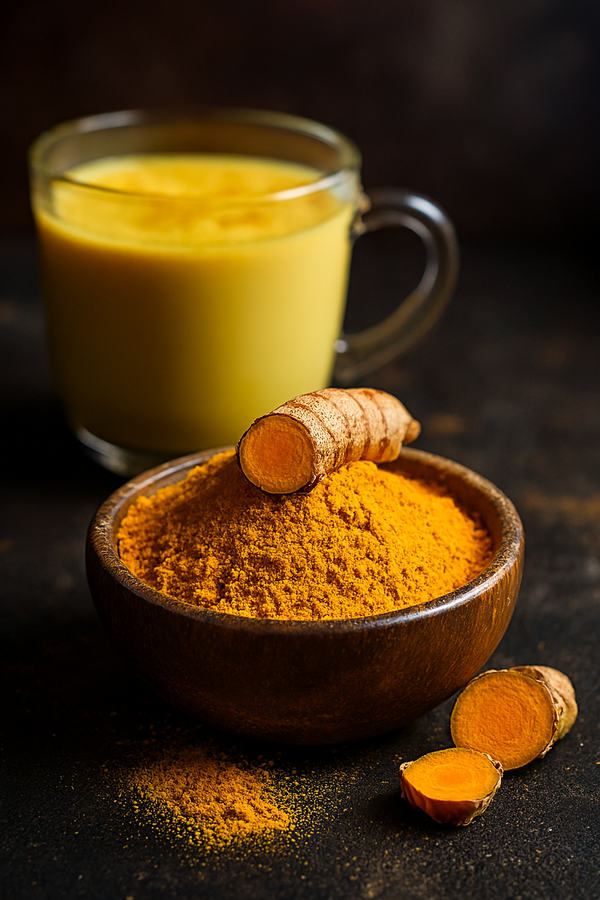
Turmeric is a culturally rich spice with a potent bioactive compound curcumin. Curcumin may support metabolic, cardiovascular and brain health. This article explores turmeric’s culinary roots, bioavailability, safety and curcumin's therapeutic potential.
Coffee is a chemically rich beverage. Moderate intake may lower risks of diabetes, heart disease and neurodegeneration, while excess use can disrupt sleep and raise cholesterol. This article explores coffee’s origins, types, compounds, health effects and tips for mindful consumption.
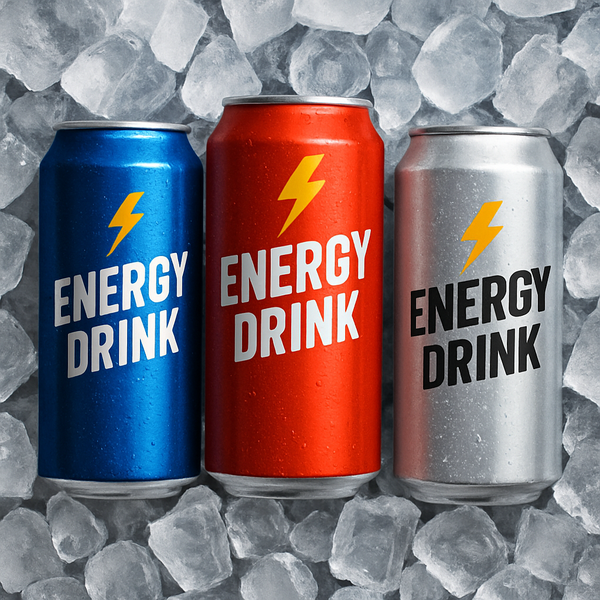
Energy drinks promise a quick energy boost, but their high caffeine, sugar, and stimulant content can pose health risks—especially for children and frequent users. This article explores what's really inside these drinks, their effects on the body, and safer alternatives to consider.
No- and low-alcohol (NoLo) drinks are growing in popularity as consumers seek healthier, mindful alternatives to alcohol. This article explores their classification, benefits, risks and role in reducing alcohol-related harm—especially when used as substitutes, not additions.
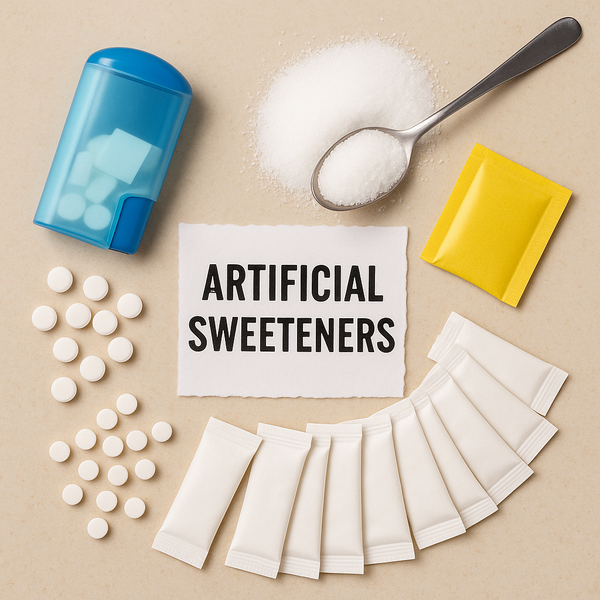
Artificial sweeteners offer low energy but may disrupt metabolism and gut health. Sugar alcohols support dental health but can cause digestive issues. Stevia and monk fruit are natural options with antioxidant benefits. Limit sweetener use overall and prioritise whole foods with natural sweetness.
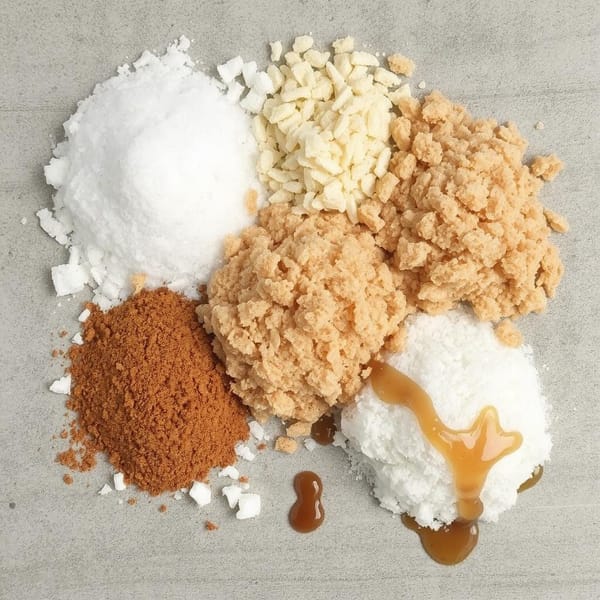
Understanding the full spectrum of sweeteners—from natural sugars in fruit and milk to added and alternative sugars in processed foods—is key to informed eating. Each type affects health differently, influencing blood sugar, satiety, and energy intake.
Here, I discuss the effectiveness of low-carb diets for weight loss and their benefits for insulin-resistant individuals. While low-carb diets can work, a balanced diet with high-quality carbs, proteins, and fats, combined with physical activity, is the most sustainable long-term approach to health.
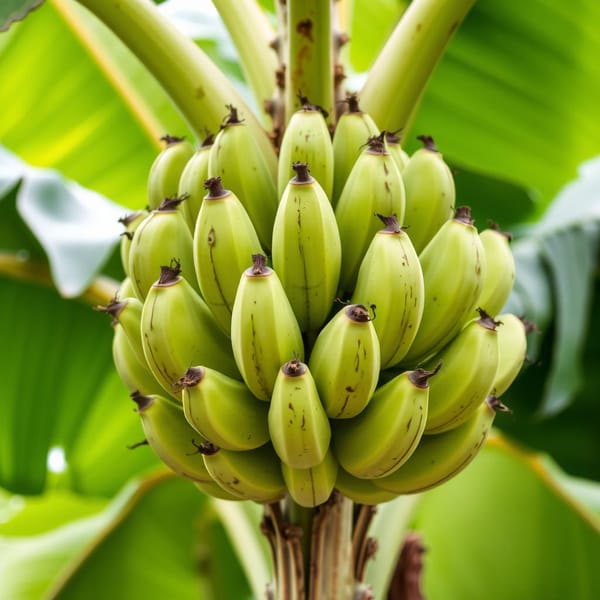
Here I examine if bananas prevent muscle cramps, noting their potassium content, which supports muscle function. Although widely believed to help, scientific evidence is limited. Regular banana consumption benefits overall health but is not a guaranteed solution for cramps.
This adaptation of Nomvula Mthembu’s Chicken Pasta with Broccoli from the Heart & Stroke Foundation South Africa Cookbook boosts health benefits by swapping oils, adding more vegetables, and incorporating mushrooms. Pre-cooked pasta increases resistant starch, making this dish even healthier.
Free radicals from normal body processes can lead to oxidative stress, increasing disease risk. Antioxidants like vitamin C, E, and phytochemicals neutralise these molecules. Balance is key—opt for a colourful diet rich in fruits, veggies, and grains, as too much from supplements can be harmful.🍎🥦
Vitamin C (ascorbic acid) is vital and found abundantly in various fruits and vegetables. It plays a crucial role in health, aiding in wound healing, immune function, and antioxidant protection. Deficiency can cause scurvy; balance diet intake is key, as excess supplements may harm high-risk groups.