Q&A: 🍬 Natural vs Added Sugars : What's the bitter truth? 🍎?
Understanding the full spectrum of sweeteners—from natural sugars in fruit and milk to added and alternative sugars in processed foods—is key to informed eating. Each type affects health differently, influencing blood sugar, satiety, and energy intake.


⚡ The short version
🍎 Natural sugars in whole foods (fruit, vegetables, milk) come bundled with fibre, water, vitamins, minerals and plant compounds, which slow digestion and help you feel full.
🍭 Free and added sugars deliver energy with almost no nutrients, and they are easy to over-consume, especially in drinks.
📏 Aim for less than 10% of your energy from free sugars, ideally under 5%: roughly 9 teaspoons (36 g) a day for men, 6 (24 g) for women and 3–6 (12–24 g) for children (18, 19).
🥤 One soft drink can contain about 10 teaspoons of sugar 😳.
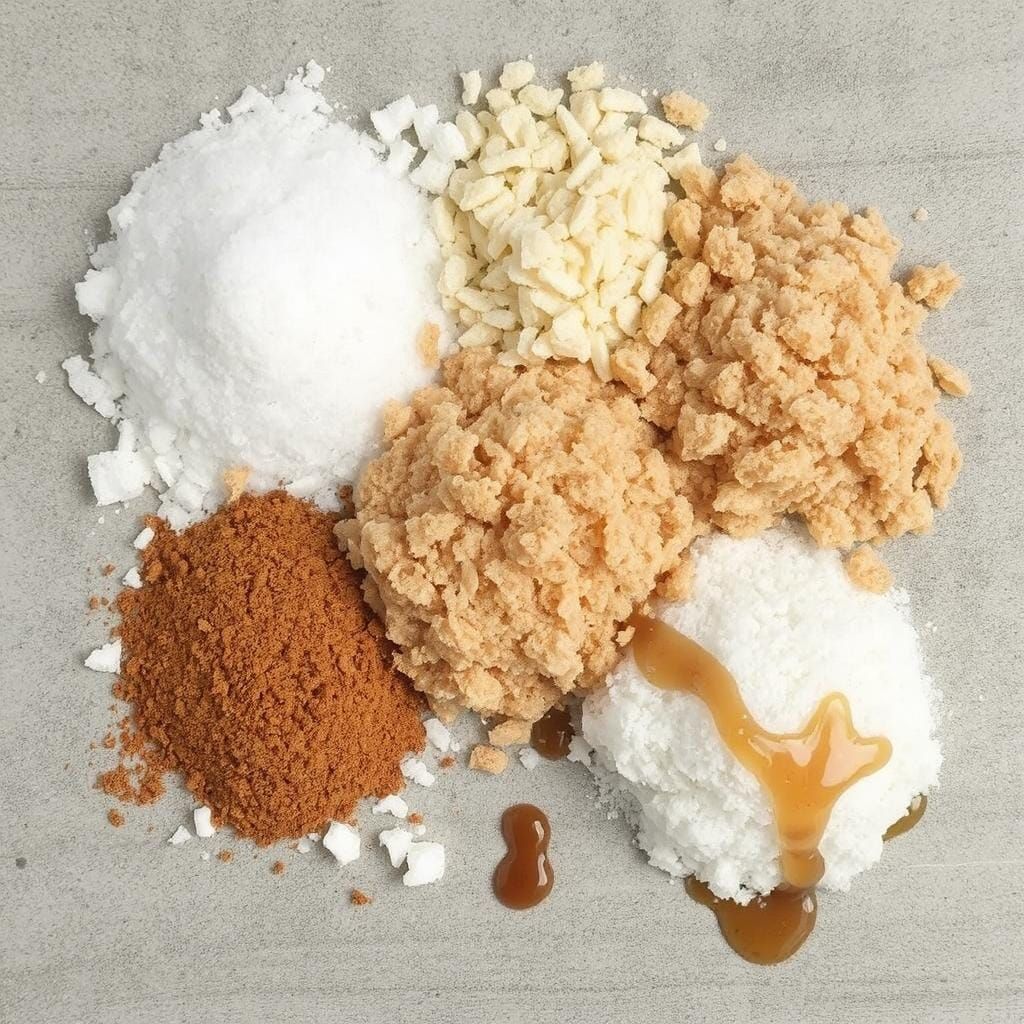
🍯 "Natural" sweeteners such as honey, coconut sugar and agave still count as free sugars.
🏷️ Reading labels is the single most useful skill: sugars hide under dozens of names.
🧬 Some people are genetically more sensitive to high sugar intakes.
🍞 Carbohydrates and natural sugars: the basics
Carbohydrates are the body's main energy source, found in fruit, vegetables, bread, grains and dairy 🍎🥦🍞🥛.
⚡ Each gram provides about 17 kJ (4 kcal).
📊 How much? The recommended range is 45–65% of daily energy (11), with about 130 g a day as a minimum for adults, roughly what the brain needs. Studies suggest the lowest mortality risk sits around 50–55% of energy from carbohydrates, with both very low and very high intakes linked to higher risk, especially when low-carbohydrate diets are built on animal rather than plant foods (12, 13).
🔤 The names:
🔹 Monosaccharides (single sugars): glucose, fructose, galactose 🔹 Disaccharides (two joined): sucrose (table sugar), lactose (milk sugar), maltose
Digestion breaks these down mainly into glucose, the sugar that circulates in your blood 🩸.
🔬 Glucose versus fructose: why the difference matters
Glucose is used by nearly every cell, and is the preferred fuel for the brain and red blood cells 🧠. Beyond energy, it is needed to build glycoproteins (including hormones such as LH, FSH and TSH), cartilage and connective tissue, to make DNA building blocks, and to keep antioxidant defences running.
Fructose is handled mainly by the liver. It skips some of the control points that regulate glucose breakdown, so large amounts can be converted more readily into fat (3). Very high intakes have been linked to liver fat, raised triglycerides and metabolic problems.
🧠 In the brain: glucose tends to quiet appetite and reward areas, while fructose produces a weaker fullness signal and may keep reward pathways more active, which can increase the pull of sweet foods. It's fair to say fructose sustains reward signalling more than glucose does, but not that it acts like an addictive drug.
🧪 🔹 In a 10-week trial in adults with overweight or obesity, glucose- and fructose-sweetened drinks shifted different metabolic pathways, with fructose linked to changes in fat metabolism and higher homocysteine (4).
⚖️ A fair balance: controlled feeding trials show that fructose is not consistently worse than glucose at usual intakes, and current evidence doesn't support simply swapping one for the other (2). The real issue is too much added sugar overall, particularly from drinks.
🍬 Galactose (from milk sugar) has its own jobs, including building parts of nerve tissue and cell membranes.
📈 Blood sugar, glycaemic response and insulin
The glycaemic response is how much and how long your blood glucose rises after eating. It depends on the type and amount of carbohydrate, how the food is processed, and how much fibre, fat and protein come with it.
| 📊 Tool | What it measures |
|---|---|
| Glycaemic index (GI) | How quickly a fixed 50 g of carbohydrate raises blood glucose |
| Glycaemic load (GL) | The same, adjusted for the amount actually eaten in a portion |
| Food insulin index (FII) | The insulin response to a fixed portion of energy, including the effects of protein and fat |
💡 The FII is useful because some low-GI foods, particularly dairy and protein-rich foods, still trigger a sizeable insulin release. Its food database is limited, so treat it as a complementary tool, not a prescription.
🔹 In a one-year trial in adults with newly diagnosed type 2 diabetes, a low-glycaemic-load diet worked as well as an energy-restricted diet for reducing central and visceral fat and improving blood fats (9).
💞 Steady blood sugar matters for mood too: 🔹 in married couples, lower blood glucose was linked to greater aggression towards a partner (5).
🎂 Does age change the response? ⭐ A pooled analysis found no clear difference in glycaemic index or glycaemic response between younger and older adults (8).
😬 It's not only about food: in animal research, acute stress activated a brain–liver pathway that raised blood glucose without involving pancreatic or adrenal hormones (2). In people with depression, bright light therapy lowered fasting glucose and improved cortisol rhythms (10).
📉 Reactive hypoglycaemia describes an excessive drop in blood glucose 2–5 hours after eating, which triggers stress hormones to push glucose back up (6).
🌿 Natural "carbohydrate blockers", such as compounds in white kidney beans, mulberry leaves and tea polyphenols, can slow starch digestion and blunt glucose spikes (7).
🍎 Why sugar in whole foods behaves differently
| 🌿 Whole-food feature | Why it matters |
|---|---|
| Fibre | Slows stomach emptying, flattens the blood sugar rise, feeds good gut bacteria and increases fullness |
| Water | Lowers the energy density, so you feel full on fewer kilojoules |
| Vitamins and minerals | Act as helpers in the reactions that process sugar |
| Phytonutrients | Colourful plant compounds with antioxidant and anti-inflammatory effects |
| Protein and fat in dairy | Slow digestion of lactose and prolong fullness |
| The intact food matrix | Needs chewing and digesting, which improves fullness hormones such as GLP-1 and PYY |
🧃 What about fruit juice? Even though the sugar is "natural", juice loses the intact structure of whole fruit. Keep juice to no more than half your daily fruit servings, and preferably eat whole fruit. In a study of 86,247 adults followed for 10 years, drinking pure fruit or vegetable juice was linked to a slightly higher risk of breast cancer (14).
🚽 A note for people with IBS: fructose malabsorption is more common in irritable bowel syndrome, so fructose intake may need managing (15).
🥗 Carbohydrate exchanges for meal planning
| Food group | Carbohydrate per exchange | Example serving |
|---|---|---|
| Fruit | 15 g | 1 small apple or ½ banana |
| Milk | 12–15 g | 1 cup milk or ½ cup yoghurt |
| Non-starchy vegetables | 5 g | 1 cup raw or ½ cup cooked |
| Starchy vegetables | 15 g | ½ cup corn or mashed potato |
| Grains and starches | 15 g | 1 slice bread or ½ cup cooked rice |
| Sugars | 4 g per teaspoon | 1 tablespoon honey, syrup or sugar |
🚫 Free sugars: the ones to limit
🔤 Free sugars = all added sugars plus the sugars naturally present in honey, syrups and fruit juice. Focusing only on "added" sugars can miss these. Experts argue that terms such as "added", "free", "intrinsic" and "extrinsic" sugars are inconsistent and confusing, and that clearer, measurable criteria are needed (1). Meanwhile, intakes in most countries remain well above recommendations (17).
📏 The guidelines: the World Health Organization and the American Heart Association recommend keeping free or added sugars below 10% of daily energy, with under 5% giving extra benefit (18, 19). In practice that's about 9 teaspoons (36 g) for men, 6 (24 g) for women and 3–6 (12–24 g) for children, where 1 teaspoon = 4 g.
👶 For children: European paediatric experts recommend under 5% of energy for ages 2–18 years, and avoiding free sugars altogether before age 2 (21).
📋 A caveat: ⭐ a systematic review judged the methods behind existing sugar guidelines to be of low quality, so future guidelines should be built on stronger evidence (16).
📊 Reality check: the average American eats about three times the recommended amount, and South Africans also exceed the guidelines (20).
🇿🇦 Policy works: after South Africa's sugar tax, young children's intake of sugary drinks fell (22). Mexico's soda tax cut purchases by 12% in its first year, and Chile's marketing restrictions reduced consumption in high-risk groups (23).
⚠️ What too much added sugar does
Not all evidence is equally strong, so look out for these symbols:
⭐ = based on a review of many studies or a randomised controlled trial 🔹 = based on a single observational study 🐭 = based on animal or laboratory research
🦷 Teeth: ⭐ children with higher sugar intakes were 59% more likely to develop early childhood caries (24), and how often you eat sugar matters even more than how much (25). ⭐ Dental erosion affected 37.6% of adolescents studied, and fizzy drinks were linked to a 98% higher risk (26).
⚖️ Weight and metabolism: high intakes are linked to obesity, type 2 diabetes, fatty liver disease and heart disease (31, 32). Excess fructose can drive liver fat, insulin resistance and inflammation (33). ⭐ Cutting free sugars reduces body fat and LDL cholesterol (34).
❤️ Heart: ⭐ an umbrella review found both sugar-sweetened and artificially sweetened drinks were linked to higher overall and cardiovascular death rates, and to high blood pressure, heart disease, metabolic syndrome and stroke (37).
🫀 Liver: 🔹 in adults with type 2 diabetes and fatty liver, more than one soft drink a week was linked to stiffer livers and a threefold higher chance of significant scarring (38). ⭐ Each extra sugary drink a day was linked to a 10–15% higher risk of liver cancer (47).
😔 Mood: ⭐ higher sugar intake was linked to a 21% higher risk of depression, more so in women, but not to anxiety (39). 🔹 Soft drink intake was linked to depression, partly through changes in gut bacteria (40).
🧠 Brain: 🔹 a diet high in fat and sugar was linked to poorer spatial navigation in young adults (41). ⭐ In the short term, though, a single drink of sucrose, aspartame or water made no difference to thinking performance (42), and while glucose raised sympathetic nervous activity during a massage, it was also linked to better sustained attention (43). 🔹 Using the end of UK sugar rationing in 1953 as a natural experiment, people whose first 1,000 days were sugar-restricted had a lower risk of dementia and Alzheimer's disease, with onset delayed by about 2.5–2.9 years (28). The same natural experiment showed lower rates of type 2 diabetes and high blood pressure (50).
🤰 Pregnancy: 🔹 higher maternal blood glucose in pregnancy predicted higher glucose, HbA1c and lower insulin sensitivity in children aged 10–14, regardless of body weight (48, 49).
🫃 Pancreas: 🔹 in 136,367 UK Biobank participants, the highest sweet-food intake was linked to an 87% greater risk of chronic pancreatitis, but not to pancreatic cancer (46).
🧴 Skin: ⭐ a review reported that sugars, including glucose, may influence acne by affecting microbial biofilms on the skin (27).
🎗️ Cancer: ⭐ higher sweetener intake has been linked to endometrial cancer in observational studies (36), and refined sugars may contribute to some cancers.
😬 Teeth grinding: 🔹 children who reduced screen time and sugar intake had less sleep bruxism (51).
🌽 High-fructose corn syrup: ⭐ a systematic review found remarkably little direct human evidence, with only one eligible study, yet raised concerns about liver injury and glucose metabolism (45).
🧪 How the damage happens: when blood glucose is high, sugars react with proteins and fats to form advanced glycation end products (AGEs), which stiffen tissues and drive inflammation and oxidative stress (29, 30).
💡 And one myth busted: ⭐ in a six-month trial in 180 adults, eating more or fewer sweet-tasting foods didn't change how much people liked sweetness, what they chose, their energy intake or their weight (35).
🧬 Sugar and your genes
Some people's bodies respond more strongly to high sugar intakes, an example of nutrigenetics:
🫀 PNPLA3 and TM6SF2: carriers store more fat in the liver when eating high-fructose or high-refined-carbohydrate diets. 🍬 TCF7L2: the strongest common genetic risk factor for type 2 diabetes; refined carbohydrates raise blood sugar more in carriers. ⚖️ FTO: sugary drinks interact with these appetite-related variants to increase obesity risk. 🧪 MTHFR: in carriers, sugary diets low in B vitamins may push homocysteine higher. 🔥 IL6 and FGB: may amplify sugar-related inflammation and clotting markers.
🍽️ 🔹 In an intriguing trial in Greenlandic Inuit adults, people carrying a variant that switches off the sucrose-digesting enzyme had better blood sugar control on a sucrose-containing Western diet than non-carriers (44).
💡 Key message: genes don't decide your fate, but they can mean the same diet affects two people differently.
🍯 Added sugars and "natural" alternatives
The tables below draw on a detailed guide to sugars and sweeteners (52).
Industrial added sugars include table sugar (sucrose), high-fructose corn syrup (HFCS), glucose–fructose and invert syrups, dextrose and maltose syrups. HFCS is cheap, easy to blend into drinks and sauces, and its fructose load can raise triglycerides and uric acid (53, 54).
| 🍯 "Natural" sweetener | What it offers | ⚠️ The catch |
|---|---|---|
| Maple syrup | 🔹 Small trials show lower glucose response, blood pressure and android fat than sucrose syrup, and possible gut benefits (55) | About 67% sucrose; still energy-dense |
| Coconut (palm) sugar | Slightly lower GI (about 50–54); traces of potassium and zinc (56) | Same kilojoules as table sugar |
| Honey | Antibacterial and antioxidant properties; may modestly improve blood sugar and blood fats at low doses (57–59); honey dressings help diabetic foot ulcers heal (60) | Energy-dense and high in fructose; never give to babies under 1 year (botulism risk) (61) |
| Molasses, turbinado, demerara, muscovado, jaggery | Traces of iron, calcium and B vitamins | The amounts are trivial in a normal serving |
Niche alternatives:
🌵 Agave syrup: low GI but 70–90% fructose, which can raise triglycerides and uric acid 🍬 Allulose: a rare sugar with about 0.84 kJ/g, mostly excreted unused. ⭐ It lowers post-meal glucose (62, 65), possibly by stimulating GLP-1 (64), but its long-term effects on metabolism, gut bacteria and safety are still unknown (63). 🔹 A 30-day trial found mild gut symptoms, and reduced bone density scores at the higher dose in people over 35, supporting a provisional limit of about 0.4 g per kg body weight a day (66) 🍬 Tagatose: ⭐ also lowers post-meal glucose and insulin, and slightly lowers HbA1c (65) 🌴 Date sugar or syrup: keeps fibre, minerals and polyphenols, but the same energy as sugar 🍚 Brown rice syrup: mostly maltose, so a very high GI, and may carry arsenic residues; its one advantage is containing no fructose 🌱 Yacón syrup: about 40% prebiotic fibres, so fewer absorbed kilojoules, but more than 20 g a day can cause bloating
💡 Bottom line on alternatives: their main advantages are flavour and tradition, not metabolic magic.
👀 Hidden sugars: what one teaspoon looks like
| 🍬 Treat | Amount equal to 1 teaspoon (4 g) of sugar |
|---|---|
| Milk chocolate | About 1 small square (5–6 g) |
| Hard sweets | About 1 piece |
| Soft drink | About 30–40 mL (2–3 sips) |
| Ice cream | About 1 tablespoon |
| Fruit-flavoured yoghurt | About 1 tablespoon |
| Honey, syrup, jam | About 1 teaspoon |
| Biscuits | About ⅓ to ½ of a medium biscuit |
| Cereal bar | About ⅓ of a small bar |
| Cake or muffin | About one small bite (10–12 g) |
| Chutney or tomato sauce | About 1 teaspoon |
🏷️ How to read a label
📋 Check the nutrition panel for "total sugars" and, where listed, "added sugars".
🔤 Scan the ingredients list. Sugar hides under many names: sucrose, glucose, fructose, dextrose, maltose, high-fructose corn syrup, corn syrup, malt syrup, rice or brown-rice syrup, maple syrup, date syrup, agave nectar, honey, molasses, cane juice, evaporated cane juice, coconut sugar, fruit juice concentrate, barley malt, carob syrup and maltodextrin. Ingredients are listed by weight, so the closer to the top, the more there is.
🥄 Convert to teaspoons: divide grams by 4. So 20 g = 5 teaspoons.
⚖️ Mind the serving size: three servings of a food with 10 g per serving means 30 g of sugar.
🔍 Compare products: cereals and sauces vary enormously.
What the claims really mean:
🚩 "No added sugar": nothing added during processing, but it may still contain plenty of natural sugars from juice or fruit purée 🚩 "Reduced sugar": at least 25% less than the standard version, which may still have been very high 🚩 "Sugar-free": under 0.5 g per serving, but often contains sweeteners and may not be low in energy 🚩 "Naturally sweetened" or "no refined sugar": not legally defined, and usually still sugar 🚩 "Low sugar": not formally regulated in many countries
🇿🇦 In South Africa, many products high in sugar or sweeteners currently carry no clear warning label (67), so the ingredients list remains your best guide.
🎯 The bottom line
🍎 Natural sugars in whole foods come with fibre, water and nutrients that change how your body handles them.
🍭 Free and added sugars add energy without nutrients and are linked to tooth decay, obesity, type 2 diabetes, fatty liver, heart disease and more.
🍯 "Natural" sweeteners are still free sugars.
🥤 Don't drink your energy. Water, unsweetened tea or coffee are the everyday choices.
🏷️ Read labels, count in teaspoons, and let your taste for sweetness gradually settle down.
🌱 Small, informed changes add up over a lifetime.
💭 Questions to ask yourself
🏷️ What's hiding in my cupboard? Have I checked the labels of sauces, dressings, cereals and condiments, as well as drinks?
🥤 How much sugar do I drink? One soft drink can hold 10 teaspoons. Could water, sparkling water or unsweetened tea take its place?
🍰 Do I know how quickly servings add up over a day, and could smaller portions keep me within the guidelines?
👅 Am I retraining my palate by reducing sweetness overall, rather than simply swapping in another sweetener? Could cinnamon, vanilla, lemon or lime add flavour instead?
🍎 Am I choosing whole foods over "natural" sweeteners? A "natural" sweetener isn't automatically a healthy one.
💌 Love what you're reading? Share the knowledge! Forward this link to a friend who might also enjoy it. 📨
Part 2 looks at low- and no-energy sweeteners, both artificial and plant-derived, and asks whether they really offer a guilt-free sweet fix. 🍬
📚 References
Want to go deeper? Here are all the studies behind this summary. 🔍
- Brand-Miller J, Barclay A, Senior N, Annison G, Fayet-Moore F, Gidley MJ, et al. Nutrition science must be strictly scientific: sugars terminology is not. Global Perspectives on Nutrition. 2026;1(2).
- Sievenpiper JL, de Souza RJ, Cozma AI, Chiavaroli L, Ha V, Mirrahimi A. Fructose vs. glucose and metabolism: do the metabolic differences matter? Curr Opin Lipidol. 2014;25(1):8-19.
- Johnson RJ, Lanaspa MA, Tolan DR, Goncalves MD, Softic S, Stanhope KL, et al. Fructose: metabolic signal and modern hazard. Nature Metabolism. 2026;8(5):1019-33.
- Guirette M, Haslam DE, Ma J, Havel PJ, Stanhope KL, Ilkayeva O, et al. Plasma metabolites after 10-weeks of glucose vs fructose-sweetened beverages in subjects with overweight/obesity. J Endocr Soc. 2026;10(5):bvag097.
- Bushman BJ, DeWall CN, Pond Jr RS, Hanus MD. Low glucose relates to greater aggression in married couples. Proceedings of the National Academy of Sciences. 2014;111(17):6254-7.
- Sweatt SK, Thomas DM, LaPorte GJ, Chauff S, Stefanovski D, Gower BA. Defining and Characterizing Postprandial Reactive Hypoglycemia. Nutrients. 2026;18(5).
- Peddio S, Padiglia A, Cannea FB, Crnjar R, Zam W, Sharifi‐Rad J, et al. Common bean (Phaseolus vulgaris L.) α‐amylase inhibitors as safe nutraceutical strategy against diabetes and obesity: An update review. Phytotherapy Research. 2022;36(7):2803-23.
- Wolever TMS, Zurbau A. Are there age-related differences in glycaemic response and glycaemic index? European Journal of Clinical Nutrition. 2026.
- Lin X, Chen C, Ren M, Huang C, Lin D, Wang C, et al. The Effect of Low Glycemic Load Diet on Central Obesity and Lipid Related Metabolic Abnormalities in T2DM Patients Is Comparable to That of Energy-Restricted Diet: A Randomized, Open, Parallel Controlled Study. Food Sci Nutr. 2026;14(6):e71995.
- Fang J, Li X, Zhu S, Hu Q, Wang T, Yu J, et al. The effect of bright light therapy on glycemic control and cortisol rhythmicity in depression: a randomized controlled trial. Front Psychiatry. 2026;17:1743465.
- EFSA Panel on Dietetic Products N, Allergies. Scientific Opinion on Dietary Reference Values for carbohydrates and dietary fibre. EFSA Journal. 2010;8(3):1462.
- Seidelmann SB, Claggett B, Cheng S, Henglin M, Shah A, Steffen LM, et al. Dietary carbohydrate intake and mortality: a prospective cohort study and meta-analysis. Lancet Public Health. 2018;3(9):e419-e28.
- Noto H, Goto A, Tsujimoto T, Noda M. Low-carbohydrate diets and all-cause mortality: a systematic review and meta-analysis of observational studies. PloS one. 2013;8(1):e55030.
- Huang J, Wu F, Chen W, Ye D, Tian Y, Li J, et al. Association of sweetened beverage intake with incident risk of breast cancer: a prospective cohort study. Frontiers in Nutrition. 2026;Volume 12 - 2025.
- Jung KW, Seo M, Cho YH, Park YO, Yoon SY, Lee J, et al. Prevalence of Fructose Malabsorption in Patients With Irritable Bowel Syndrome After Excluding Small Intestinal Bacterial Overgrowth. J Neurogastroenterol Motil. 2018;24(2):307-16.
- The Scientific Basis of Guideline Recommendations on Sugar Intake. Annals of Internal Medicine. 2017;166(4):257-67.
- Stricker S, Rudloff S, Geier A, Steveling A, Roeb E, Zimmer KP. Fructose Consumption-Free Sugars and Their Health Effects. Dtsch Arztebl Int. 2021;118(5):71-8.
- Organization WH. Guideline: sugars intake for adults and children: World Health Organization; 2015.
- Vos MB, Kaar JL, Welsh JA, Van Horn LV, Feig DI, Anderson CA, et al. Added sugars and cardiovascular disease risk in children: a scientific statement from the American Heart Association. Circulation. 2017;135(19):e1017-e34.
- Temple NJ, Steyn NP. Sugar and health: a food-based dietary guideline for South Africa. South African journal of clinical nutrition. 2013;26:S100-S4.
- Mis NF, Braegger C, Bronsky J, Campoy C, Domellöf M, Embleton ND, et al. Sugar in infants, children and adolescents: a position paper of the European society for paediatric gastroenterology, hepatology and nutrition committee on nutrition. Journal of pediatric gastroenterology and nutrition. 2017;65(6):681-96.
- Kruger HS, van Zyl T, Monyeki MA, Ricci C, Kruger R. Decreased frequency of sugar-sweetened beverages intake among young children following the implementation of the health promotion levy in South Africa. Public Health Nutrition. 2025;28(1):e23.
- Urugo MM, Kidane B, Firew S, Hunde W, Endere SD, Semu A, et al. Comprehensive review of carbonated soft drink consumption rates and their public health importance. BMC Public Health. 2026.
- Echeverria MS, Mathias FB, Schuch HS, Cenci MS, Correa MB, Huysmans MC, et al. Sugar consumption and early childhood caries: a systematic review and meta-analysis of cohort studies. Braz Oral Res. 2025;39:e122.
- Pombo-Lopes J, Silva ML, Neves B, Grillo-Evangelista J. Impact of sugar consumption on dental caries in children and adolescents: a systematic review of frequency versus quantity. BMC Public Health. 2026.
- Juárez López MLA, Gutierrez-Moreno MF, Castrejón-Delgado L, Sánchez-Rodríguez MA. Prevalence and Risk of Dental Erosion Linked to Carbonated Drinks in Adolescents: A Systematic Review and Meta-Analysis. Oral Health Prev Dent. 2026;24:337-46.
- Nguyen TTM, Yi EJ, Jin X, Zheng Q, Park SJ, Yi GS, et al. Effects of nutritive and non-nutritive sweeteners on acne vulgaris: A systematic review. Fitoterapia. 2026;188:107022.
- Zheng J, Lip GY, Zhang Z, Lee SR. Association of Sugar Restriction in Utero Through Age 2 Years on Dementia Risk Later in Life. Neurology. 2026;107(4):e218313.
- Ottum MS, Mistry AM. Advanced glycation end-products: modifiable environmental factors profoundly mediate insulin resistance. J Clin Biochem Nutr. 2015;57(1):1-12.
- Akhter F, Chen D, Akhter A, Sosunov AA, Chen A, McKhann GM, et al. High Dietary Advanced Glycation End Products Impair Mitochondrial and Cognitive Function. J Alzheimers Dis. 2020;76(1):165-78.
- Rippe JM, Angelopoulos TJ. Relationship between added sugars consumption and chronic disease risk factors: current understanding. Nutrients. 2016;8(11):697.
- Kabthymer RH, Wu T, Beigrezaei S, Franco OH, Hodge AM, de Courten B. The association of sweetened beverage intake with risk of type 2 diabetes in an Australian population: A longitudinal study. Diabetes & Metabolism. 2025:101665.
- Lim JS, Mietus-Snyder M, Valente A, Schwarz J-M, Lustig RH. The role of fructose in the pathogenesis of NAFLD and the metabolic syndrome. Nature Reviews Gastroenterology & Hepatology. 2010;7(5):251-64.
- Hengist A, Davies RG, Walhin J-P, Buniam J, Merrell LH, Rogers L, et al. Ketogenic diet but not free-sugar restriction alters glucose tolerance, lipid metabolism, peripheral tissue phenotype, and gut microbiome: RCT. Cell Reports Medicine. 2024;5(8).
- Vaezi S, Freeling JL, de Vargas BO, Weidauer L, Shoemaker ME, Sanders WM, et al. Impacts of minimally-processed omnivorous vs lacto-ovo-vegetarian diets on insulin sensitivity, lipid profile, and adiposity in older adults: Secondary findings from a randomized crossover feeding trial. Clin Nutr. 2025;55:90-103.
- Li H, Zhang Y, He Y, Huang J, Yao J, Zhuang X. Association between consumption of sweeteners and endometrial cancer risk: a systematic review and meta-analysis of observational studies. The British journal of nutrition. 2024;131(1):63-72.
- Jamali M, Anvarifard P, Hosseini B, Razaghi M, Khorraminezhad L, Alvandi E, et al. Sweetened beverages and cardiovascular outcomes: an umbrella review of mortality and health outcomes. Nutr J. 2025;24(1):173.
- Ferro A, Bollati M, Caviglia GP, Armandi A, Bellini S, Limoncelli S, et al. Soft drink consumption and liver fibrosis in type 2 diabetes. Front Nutr. 2025;12:1726040.
- Xiong J, Wang L, Huang H, Xiong S, Zhang S, Fu Q, et al. Association of sugar consumption with risk of depression and anxiety: a systematic review and meta-analysis. Front Nutr. 2024;11:1472612.
- Edwin Thanarajah S, Ribeiro AH, Lee J, Winter NR, Stein F, Lippert RN, et al. Soft Drink Consumption and Depression Mediated by Gut Microbiome Alterations. JAMA Psychiatry. 2025.
- Tran DMD, Double KS, Johnston IN, Westbrook RF, Harris IM. Consumption of a diet high in fat and sugar is associated with worse spatial navigation ability in a virtual environment. International Journal of Obesity. 2025.
- Jacobson MM, Passey JK, Allen SP, Allen JG, Stevens A, Golden-Appleton A, et al. The Effects of Aspartame, Sucrose, and Water on Short-Term Cognitive Performance. Percept Mot Skills. 2026:315125251410466.
- Meier M, Unternaehrer E, Ashcraft SJ, Denk BF, Gaertner RJ, Klink ES, et al. The effect of glucose on cardiac reactivity to a standardized massage in healthy adults. International Journal of Psychophysiology. 2026:113367.
- Senftleber N, Christensen MMB, Carstensen B, Stæger FF, Frøst MB, Gillum MP, et al. Dietary effect on glucose homeostasis is modulated by a loss-of-function variant in the sucrase-isomaltase gene: a randomised, dietary crossover intervention in Inuit. Diabetologia. 2026;69(7):2015-28.
- Yu ZZ, Varahala S, Lim SLC, Marenah MC, Wattacheril J. The impact of high fructose corn syrup on liver injury and glucose metabolism: a systematic review. Front Nutr. 2025;12:1724398.
- Liu Y, Ma H, Lu Y, Jiang D, Liu L, Zhu Y, et al. Sweet Foods Intake and Risk of Pancreatic Diseases: A large cohort study from the UK Biobank. Nutrition. 2026;143:113032.
- Watling CZ, Zhao L, Zhang X, Deubler E, Gonzalez-Feliciano AG, Graubard BI, et al. Artificially Sweetened and Sugar-Sweetened Beverage Intake and Risk of Liver Cancer. JAMA Network Open. 2026;9(6):e2617754-e.
- Scholtens DM, Kuang A, Lowe LP, Hamilton J, Lawrence JM, Lebenthal Y, et al. Hyperglycemia and Adverse Pregnancy Outcome Follow-up Study (HAPO FUS): Maternal Glycemia and Childhood Glucose Metabolism. Diabetes Care. 2019;42(3):381-92.
- Dieguez AC, Kuang A, Josefson JL, Scholtens DM, Lowe WL, Jr., Hayes MG, et al. In Utero Exposure to Maternal Hyperglycemia and Offspring Type 2 Diabetes Genetic Risk Score Are Independently Associated With Risk of Impaired Glucose Tolerance in Youth. Diabetes Care. 2025;48(8):1356-60.
- Gracner T, Boone C, Gertler PJ. Exposure to sugar rationing in the first 1000 days of life protected against chronic disease. Science. 2024;386(6725):1043-8.
- Restrepo-Serna C, Caicedo-Giraldo M, Velasquez-Baena L, Bonfanti G, Santamaría-Villegas A. Effect of Screen Time and Sugar Consumption Reduction on Sleep Bruxism in Children: A Randomised Clinical Trial. J Oral Rehabil. 2025;52(4):506-20.
- Barclay A, Sandall P, Shwide-Slavin C. The ultimate guide to sugars and sweeteners: Discover the taste, use, nutrition, science, and lore of everything from agave nectar to xylitol: The Experiment; 2014.
- Angelopoulos TJ, Lowndes J, Zukley L, Melanson KJ, Nguyen V, Huffman A, et al. The Effect of High-Fructose Corn Syrup Consumption on Triglycerides and Uric Acid12. The Journal of Nutrition. 2009;139(6):1242S-5S.
- Flavin D. Metabolic danger of high-fructose corn syrup. Life Extension. 2008.
- Morissette A, Agrinier AL, Gignac T, Ramadan L, Diop K, Marois J, et al. Substituting Refined Sugars With Maple Syrup Decreases Key Cardiometabolic Risk Factors in Individuals With Mild Metabolic Alterations: A Randomized, Double-Blind, Controlled Crossover Trial. J Nutr. 2024;154(10):2963-75.
- Saraiva A, Carrascosa C, Ramos F, Raheem D, Lopes M, Raposo A. Coconut Sugar: Chemical Analysis and Nutritional Profile; Health Impacts; Safety and Quality Control; Food Industry Applications. International Journal of Environmental Research and Public Health. 2023;20(4):3671.
- Scepankova H, Saraiva JA, Estevinho LM. Honey health benefits and uses in medicine. Bee products-Chemical and biological properties. 2017:83-96.
- Ahmed A, Tul-Noor Z, Lee D, Bajwah S, Ahmed Z, Zafar S, et al. Effect of honey on cardiometabolic risk factors: a systematic review and meta-analysis. Nutr Rev. 2023;81(7):758-74.
- Norouzzadeh M, Barazandeh S, Hasan Rashedi M, Jamshidi S, Hatamifar F, Maghsoomi Z, et al. Dosage exploration of the effects of honey and its derivatives on cardiometabolic outcomes: an overview of systematic reviews and GRADE-assessed updated meta-analysis. Nutr Diabetes. 2025;15(1):48.
- Yao L, Dai J, Mei S. Honey dressing for diabetic foot ulcers: a systematic review and meta-analysis of randomized controlled trials. Front Endocrinol (Lausanne). 2026;17:1759703.
- Grant KA, McLauchlin J, Amar C. Infant botulism: advice on avoiding feeding honey to babies and other possible risk factors. Community Practitioner. 2013;86(7):44.
- Tani Y, Tokuda M, Nishimoto N, Yokoi H, Izumori K. Allulose for the attenuation of postprandial blood glucose levels in healthy humans: A systematic review and meta-analysis. PLoS One. 2023;18(4):e0281150.
- Daniel H, Hauner H, Hornef M, Clavel T. Allulose in human diet: the knowns and the unknowns. British Journal of Nutrition. 2022;128(2):172-8.
- Ohbayashi K, Tanida M, Abe C, Ishihara H, Omi W, Kubota N, et al. Gut-derived GLP-1 released by rare sugar D-allulose cooperates with insulin to activate left-sided vagal afferents and enhance insulin sensitivity. bioRxiv. 2026:2026.01. 09.697679.
- Osborn L, DuPuis K, Liu S, Della Corte D, Della Corte KA. Glycemic and cardiometabolic effects of rare sugars allulose and tagatose: a systematic review and meta-analysis of controlled human intervention trials. Am J Clin Nutr. 2026;123(6):101314.
- Qi L, Ning J, Han J, Zhang N, Zhang W, Wang F, et al. D‐Allulose as a Low‐Calorie Sweetener: A 30‐Day Randomized, Double‐Blind Study on Gastrointestinal Tolerance and Systemic Safety to Support Its Application in Healthy Diets. Food Science & Nutrition. 2026;14(7):e72042.
- Mukhovha W, Naledi S, Thanujj K, K. MM, and Dlamini SN. Over half of South African beverages will require warning labels for high sugar and/or artificial sweeteners. South African Journal of Clinical Nutrition. 2025;38(1):31-6.