Q&A: Can vitamin C supplements boost your health beyond a balanced diet?

Vitamin C (ascorbic acid) is vital and found abundantly in various fruits and vegetables. It plays a crucial role in health, aiding in wound healing, immune function, and antioxidant protection. Deficiency can cause scurvy; balance diet intake is key, as excess supplements may harm high-risk groups.

Share
Q&A: Can vitamin C supplements boost your health beyond a balanced diet?
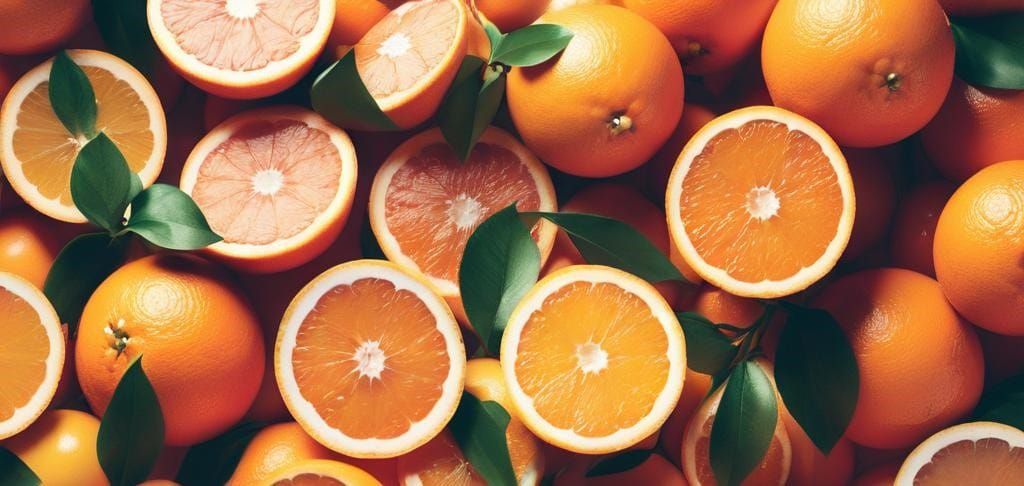
Gencraft image created on 14 June 2024

This work is licensed under a Creative Commons Attribution-NonCommercial-NoDerivatives 4.0 International License.

Takeaway messages 🔑

Topic

Takeaway message

Forms and essentiality 🧪

Vitamin C (ascorbic acid, L-ascorbic acid, ascorbate, dehydroascorbic acid (DHAA)) is a water-soluble vitamin essential for humans and a few other species who cannot synthesise it.

Functions in the body 🛡️

Vitamin C is a multifunctional nutrient that acts as a potent antioxidant and essential cofactor in collagen formation, wound healing, immune defence, non-haeme iron absorption, catecholamine and carnitine synthesis, hormone production and regulation, epigenetic control, and the synthesis of pain-modulating peptides, thereby supporting skin integrity, energy metabolism, mood, fertility, thyroid function and potentially reducing the risk of chronic disease.

Daily requirements 👶🧓

Adult men require 90 mg/day, women 75 mg/day and smokers 🚬 need an additional 35 mg/day.

Deficiency

Symptoms include anaemia, poor wound healing 🩹, bleeding gums 🦷, muscle degeneration and scurvy.

At-risk populations

Includes infants on evaporated/boiled cow’s milk, elderly, alcohol/drug abusers, food-insecure, those with absorption issues, smokers and individuals with chronic illnesses.

Dietary sources

Found in citrus fruits🍊, strawberries🍓, papayas, mangoes, cabbage, dark green vegetables, lettuce, tomatoes and potatoes, which are significant due to high consumption.

Absorption and preservation

Absorbed through the intestines; best preserved by minimising cooking time, using less water, avoiding high temperatures, cooking with skin on and consuming raw when possible.

Upper intake level

Set at 2000 mg/day for adults; exceeding this can cause diarrhoea🚽, nausea 🤢 and cramps, especially in those with kidney disorders or iron overload conditions.

Health research: dietary intake

Linked to reduced risk of oesophageal and lung cancers, improved heart health and inversely associated with stroke and metabolic syndrome.

Health research: supplementation

May benefit people with low intake, smokers, older adults, those with malabsorption and some conditions such as type 2 diabetes or hypertension. High doses should be used with caution in people with kidney disease, haemochromatosis, glucose-6-phosphate dehydrogenase deficiency, Thalassemia or sickle cell disease, and may cause falsely high glucose readings on some glucose meters.

Introduction

Scurvy was a deadly risk for sailors on long voyages due to lack of fresh produce. The discovery of vitamin C's role in preventing scurvy, particularly through James Lind's 1747 experiment with sailors and citrus fruits, highlighted the critical link between diet and health (1). This breakthrough eventually led to the British Navy adopting citrus fruits to prevent scurvy, resulting in a dramatic improvement in sailors' health during long sea voyages. However, the mechanism by which citrus fruits promoted recovery remained unknown at the time. Nearly two centuries later, ascorbic acid (vitamin C) was identified and isolated by scientists such as Albert Szent-Györgyi, whose pioneering work earned him the Nobel Prize in Physiology or Medicine in 1937. These discoveries advanced the field of nutritional science and informed public health initiatives promoting balanced diets rich in essential vitamins. More broadly, this understanding emphasised the importance of nutrients in preventing chronic diseases and maintaining overall health, shaping modern dietary guidelines.

The healing compound in citrus was first called antiscorbutic factor—the original name given to vitamin C. Scorbutic is an adjective that refers to scurvy or conditions related to scurvy. Today, vitamin C is known as ascorbic acid, L-ascorbic acid, ascorbate, dehydroascorbic acid (DHAA C). Vitamin C is water-soluble. Vitamin C is a 6-carbon compound similar to glucose with the chemical formula C₆H₈O₆. Vitamin C exists in several chemical forms, with the major forms thereof summarised in Table 1.

Table 1: Major chemical forms of vitamin C

Form

Abbreviation

Oxidation state

Biological significance

Ascorbic acid

AA

Reduced

Main dietary form; active antioxidant

L-Ascorbic acid

L-AA

Reduced

Naturally occurring biologically active stereoisomer (a molecule that has the same molecular formula and the same sequence of bonded atoms as another molecule, but differs in the three-dimensional arrangement of those atoms in space)

Ascorbate ion

Asc⁻

Reduced

Predominant form at physiological pH (~7.4)

Monodehydroascorbate radical

MDHA

Semi-oxidised

Short-lived intermediate during oxidation

Dehydroascorbic acid

DHAA

Oxidised

Reversible oxidised form that can be recycled back to ascorbate

2,3-Diketogulonic acid

DKG

Irreversibly oxidised

Degradation product; biologically inactive


Vitamin C is an essential vitamin for humans and a few other species because they cannot synthesise it and must obtain it through diet or supplements (2). It is crucial for normal body functioning, growth and development. Unlike most animals, which can synthesise vitamin C from glucose, humans, primates, guinea pigs, certain fruit-eating bats and some bird species lack the necessary enzyme to produce it endogenously i.e. inside the body (2, 3).

Functions of vitamin C🛡️🧬🩸

Vitamin C is not a coenzyme (a small organic molecule that binds to an enzyme and directly participates in the catalytic reaction, often by transferring chemical groups) such as B vitamins. Instead, vitamin C acts independently as an antioxidant, donating electrons or hydrogen ions to other substances to inhibit oxidation. Vitamin C is involved in various redox reactions, easily accepting and donating electrons. This antioxidant function protects cells from free radicals, which are highly reactive and unstable molecules produced during normal cellular metabolism. Specifically, ascorbic acid donates two hydrogen atoms (with electrons) to neutralise free radicals, forming DHAA. This reaction is reversible, allowing DHAA to regain hydrogen and become ascorbic acid again. This redox cycle is key to vitamin C’s antioxidant function, protecting cells from oxidative damage. Factors such as intense sunlight, certain drugs and toxic substances for example smog and cigarette smoke can increase free radical production. Antioxidants neutralise free radicals by donating electrons, preventing oxidative damage to lipids, DNA and proteins, which can lead to diseases such as cancer.

Vitamin C is a non-enzymatic cofactor (4). Vitamin C enhances the absorption of essential minerals i.e. iron, copper and chromium by preventing their oxidation and converting them into more bioavailable forms. Specifically, vitamin C improves the absorption of non-haeme iron from plant-based foods by reducing it to ferrous iron (Fe2+), a more absorbable form. It also counteracts compounds that inhibit iron absorption, such as phytates and tannins by forming a chelate complex (a strong chemical bond where a nutrient is tightly held by another molecule to protect it and improve absorption). A systematic review and meta-analysis of 11 studies involving 1,930 patients with iron deficiency anaemia found that adding vitamin C to oral iron supplementation produced statistically significant but small increases in haemoglobin and ferritin compared with iron alone (5). Regular consumption of vitamin C-rich foods with iron-rich meals improves iron status and helps prevent iron deficiency anaemia, particularly in at-risk populations such as vegetarians, pregnant women and individuals with chronic illnesses. However, in individuals with conditions that cause excess iron in the body, such as haemochromatosis, high vitamin C intake could be problematic, as it may exacerbate iron overload and lead to tissue damage. Beyond acting as an antioxidant and enhancing mineral absorption, vitamin C plays numerous other crucial roles in the body (see Table 2).

Table 2: Functions of vitamin C in the body

Function

Description

Reference

Antioxidant function 🛡️

Protects cells from damage caused by free radicals.

(4, 6)

Collagen synthesis and wound healing 🩹 (collagen is a fibrous structural protein composed of three polypeptide chains arranged in a triple helix. It provides strength, support and elasticity to tissues and is a major component of connective tissues such as tendons, ligaments, cartilage, skin and bone).

Essential for forming and repairing collagen. Vitamin C keeps iron active so enzymes can hydroxylate proline and lysine* into hydroxyproline and hydroxylysine by adding hydroxyl groups to the amino acids. The modified amino acids help stabilise and strengthen collagen’s triple-helix structure. Without sufficient vitamin C, collagen production is disrupted, leading to weak tissues, bleeding gums and poor wound healing.

(7, 8)

Immune support 🦠


Helps maintain the integrity of epithelial barriers, reducing susceptibility to infection.

(9)

Enhances the function of the immune system by supporting white blood cells and overall immune response.

(9)

Promote histamine degradation and enhancing neutrophil chemotaxis.

(10)

Iron absorption 🩸

Improves absorption of non-haeme iron from plant-based foods, preventing iron deficiency anaemia.

(5, 11)

Neurotransmitter synthesis and mood 🧠

Plays a crucial role in the synthesis of catecholamines, a group of neurotransmitters that includes dopamine, norepinephrine and epinephrine. It acts as a cofactor for the enzyme dopamine β-hydroxylase, which converts dopamine into norepinephrine—a key step in catecholamine production. Without sufficient vitamin C, this enzymatic reaction slows down, potentially affecting mood, stress response and cardiovascular function.

(12-14)

Protein and fatty acid metabolism

Vitamin C serves as a cofactor in enzymatic reactions involved in the synthesis of bile acids from cholesterol.

(9)

Aids in the metabolism of proteins and synthesis of carnitine which helps transport fatty acids into the mitochondria, where they are burned for energy.

(15)

Reduction of chronic disease risk

May help reduce the risk of chronic diseases such as cardiovascular disease and certain cancers through antioxidant and immune support.

(16-19)

Skin health

Promotes skin health by enhancing collagen production, reducing wrinkles and repairing damaged skin.

(20)

Hormones

Boost progesterone levels, support fertility and aid in stress regulation by influencing cortisol and thyroid hormone pathways. Thyroid hormone production and metabolism generate reactive oxygen species. Vitamin C protect thyroid tissue from oxidative stress.

(6, 21-23)

Epigenetic regulation 🧬

Participates in gene regulation by enhancing degradation of hypoxia-inducible factor-1 (HIF-1), which may help reduce chronic inflammation and impaired oxygen utilisation.

(24)

Pain regulation 😊

May reduce fatigue and contribute to reduce acute and chronic pain by acting as a cofactor for peptidyl-glycine α-amidating monooxygenase, an enzyme required to produce amidated opioid peptides (the body’s natural pain-relieving molecules). It may also reduce oxidative stress and inflammation, which can further lessen pain and decrease the need for opioid medications in some patients.

(25, 26)

* The terms proline and lysine refer to the amino acids themselves, whereas prolyl and lysyl refer to those amino acids when they are incorporated into a protein or peptide chain.

Although bleeding gums, easy bruising, and other haemorrhagic manifestations are hallmark symptoms of scurvy, vitamin C does not directly participate in the coagulation cascade responsible for blood clot formation. Rather, it plays a critical role in collagen synthesis and the maintenance of vascular integrity, thereby supporting healthy blood vessels and helping to prevent bleeding associated with fragile capillaries and impaired connective tissue. The connection between vitamin C and fibrinogen, the abundant clotting factor in the blood, is indirectly mediated through its anti-inflammatory effects (27-29). Supporting this, combined high-dose vitamin C (2 g/day) and vitamin E (400–800 IU/day) supplementation improved endothelial function and reduced plasma levels of plasminogen activator inhibitor-1 (PAI-1), von Willebrand factor (vWF) and the PAI-1/tPA ratio in chronic smokers (30). Many fruits and vegetables rich in vitamin C also contain high levels of dietary fibre. Dietary fibre is known for its anti-inflammatory properties, which can enhance gut health and lower blood levels of C-reactive protein, a marker of inflammation (31). Therefore, the consumption of foods high in both fibre and vitamin C may contribute to reduced inflammation, indirectly influencing blood coagulation positively and impacting blood clot formation.

Daily vitamin C requirements

Body weight is an important determinant of vitamin C requirements because larger individuals have a greater volume of distribution, resulting in lower plasma vitamin C concentrations for a given intake (32). Infants under 12 months typically need 40–50 mg/day. Maternal dietary intake (especially from fruits and vegetables) directly influences breast milk vitamin C levels (33). Children need approximately 15–45 mg of vitamin C daily, while adolescents require 65–75 mg. Until adolescence, there are no gender-specific dosage differences for vitamin C.

Adult men and women older than 19 years require 90 mg/day and 75 mg/day, respectively due to differences in body size and composition rather than sex itself, with smokers and passive smokers needing an additional 35 to 40 mg/day more than their non-smoking counterparts (11, 32). Overweight and obese individuals may require higher vitamin C intakes to achieve adequate status, with estimates suggesting an additional 10–20 mg/day for every 10 kg increase in body weight above 60 kg (32). Increased inflammation and oxidative stress associated with obesity may further elevate vitamin C requirements (32).

Vitamin C deficiency 📉

Deficiency symptoms include anaemia (microcytic/small cell type), atherosclerotic plaques/pinpoint haemorrhages, bone fragility, poor wound healing, bleeding gums and loose teeth, muscle degeneration, rough skin and blotchy bruises. Vitamin C deficiency may contribute to depression, emotional instability and cognitive symptoms by disrupting neurotransmitter function, even in the absence of scurvy or psychosis (13). The deficiency disease of vitamin C is called scurvy and only appears when vitamin C intake is less than 1 mg/day (34). Certain individuals might be at risk of vitamin C inadequacy or deficiency (see Table 3).


Table 3: Individuals and conditions associated with an increased risk of vitamin C inadequacy or deficiency

Risk group

Why vitamin C status may be low

Infants fed evaporated or boiled cow’s milk

Heat processing and storage reduce the vitamin C content of milk, increasing the risk of deficiency.

Individuals with limited food variety (e.g., older adults, people with alcohol (35) or substance misuse and food-insecure individuals)

Low intake of fruits and vegetables reduces vitamin C consumption.

People with diets low in fruits and vegetables

Inadequate dietary intake of the primary food sources of vitamin C.

People with malabsorptive disorders (e.g., Crohn's disease, Ulcerative colitis) and some cancers

Reduced intestinal absorption and increased metabolic demands.

Individuals after bariatric surgery

Chronic depletion occurs in about 35% of patients due to reduced intake and impaired nutrient absorption (36).

Critically ill patients (e.g., sepsis, trauma, cardiac arrest, major surgery, burns)

Severe inflammation and oxidative stress rapidly deplete vitamin C through increased requirements, reduced intake and recycling and greater losses. Low plasma levels are associated with organ failure and higher mortality (37).

People with chronic diseases (e.g., cancer, end-stage renal disease, certain metabolic disorders)

Increased oxidative stress and higher metabolic requirements can deplete vitamin C stores.

Individuals with kidney disease requiring haemodialysis

Losses during dialysis and increased oxidative stress may lower vitamin C levels.

People with severe burns or major injuries

Tissue repair and inflammatory responses markedly increase vitamin C requirements.

Individuals experiencing prolonged physical or psychological stress

Elevated cortisol and oxidative stress may increase vitamin C utilisation.

Smokers and those exposed to second-hand smoke

Tobacco smoke increases oxidative stress and raises vitamin C requirements (32).

Pregnant women

Increased physiological needs and increased body weight (32); recommended intake is 85 mg/day.

Breastfeeding women

Increased transfer into breast milk; recommended intake is 120 mg/day.

Users of certain medications (e.g., oral contraceptives and some anti-inflammatory drugs)

Increased metabolism or urinary excretion may reduce vitamin C levels.

Overweight or obese individuals

Individuals who are overweight or obese may be at increased risk of vitamin C deficiency because larger body size, inflammation and oxidative stress can increase vitamin C requirements (32).

Carriers of the rs33972313 A allele in the solute carrier family 23 member 1 (SLC23A1) gene

Associated with lower plasma vitamin C concentrations (38).

Individuals with the glutathione s-transferase theta 1 (GSTT1) null genotype

Impaired vitamin C recycling, increased oxidative stress and lower plasma vitamin C despite similar intake (39-41).


Upper limit and potential risks of vitamin C intake🚽

The Upper Level of Intake (UL) for vitamin C is set at 2000 mg/day for adults (11). Exceeding this amount can lead to adverse effects such as diarrhoea, nausea and abdominal cramps, although high doses are also excreted quickly. Additionally, the beneficial effects of vitamin C on iron absorption can become harmful when exceeding the tolerable UL, as excessive free iron can cause cellular damage similar to that inflicted by free radicals (42). High-dose vitamin C may influence platelet aggregation, which could theoretically affect blood clotting and interact with anticoagulant medications. Individuals with kidney disorders, iron overload conditions and gastrointestinal conditions are at higher risk for adverse effects from exceeding the UL and should avoid using vitamin C supplements.

Dietary sources of vitamin C🍊🍋🌶️🥦

Although citrus fruits are well-known sources of vitamin C, many other fruits, including quava, kiwi,  strawberries and papayas, often contain comparable or even higher concentrations of the vitamin. Fruit juice can be a convenient source of vitamin C, particularly for individuals who struggle to consume sufficient whole fruit; but should not replace more than half of daily fruit servings, as it may not provide the same health benefits as whole fruits and has been associated with a modestly increased risk of breast cancer (43). Vegetables including cabbage varieties, dark greens such as green peppers and broccoli, lettuce and tomatoes. Despite their moderate vitamin C content, potatoes significantly contribute to overall intake due to their widespread consumption. A medium-sized potato provides about 20% of the recommended daily intake, making it a key source of vitamin C, though its content decreases as potatoes age. Regular cuts of beef, pork, lamb, poultry and fish contain only trace amounts of vitamin C and cooking further depletes these levels, rendering the vitamin C content negligible.

Table 4: Vitamin C content in various food sources

Food source

Vitamin C content (mg/100g)

Fruits

Acerola cherries (Barbados or West Indian cherries)

1677.6 mg

Guavas

228.3 mg

Blackcurrants

181 mg

Kiwi

92.7 mg

Persimmons

66 mg

Papayas

60.9 mg

Strawberries

58.8 mg

Oranges

53.2 mg

Orange juice

50 mg

Lemon

53 mg

Pineapple

47.8 mg

Mango

36.4 mg

Cantaloupe

36.7 mg

Vegetables

Red bell peppers

127.7 mg

Green bell peppers

80.4 mg

Broccoli

89.2 mg

Brussels sprouts

85 mg

Cauliflower

48.2 mg

Kale

41 mg

Peas

40 mg

Cabbage

36.6 mg

Tomatoes

23.1 mg

Potatoes

19.7 mg

Lettuce

9.2 mg

Note: These values provide a general guide and can vary slightly depending on the source and preparation method.

Because vitamin C is easily destroyed by heat and oxygen, consuming whole raw fruits and some raw or lightly steamed vegetables is recommended (see Table 5).

Table 5: Best practices for preserving vitamin C during food preparation and cooking

Method

Description

Minimise cooking time

Cook foods for the shortest time possible to preserve vitamin C. Steaming or microwaving is best.

Use less water

Use minimal water when boiling vegetables. Steaming or microwaving uses less water and preserves vitamin C.

Avoid high temperatures

Use lower temperatures for cooking. Steaming or stir-frying is preferable to deep-frying.

Cook with the skin on

Cook vegetables with their skins intact to retain more vitamin C, peeling after cooking if needed.

Cut just before cooking

Cut fruits and vegetables just before cooking or eating to minimise exposure to air and light.

Store properly

Store fruits and vegetables in a cool, dark place, preferably refrigerated, to slow vitamin C degradation.

Use cooking water

If boiling, use the cooking water in soups or sauces to retain leached vitamin C.

Eat raw

Consume fruits and vegetables raw when possible to maximise vitamin C intake. Salads and smoothies are good options.

Assessment of vitamin C status

Vitamin C concentrations may be measured in individuals with clinical suspicion of scurvy or chronic low intake or in research studies. Because vitamin C is highly unstable—sensitive to light, temperature, pH and oxidation—strict pre-analytical handling is essential. Samples must be rapidly processed, protected from light, acidified and stored at ultra-low temperatures to prevent degradation.

Plasma is the liquid portion of unclotted blood and contains clotting factors; serum is the liquid remaining after blood has clotted and lacks clotting factors; and the buffy coat is the thin layer between the plasma and red blood cells after centrifugation that contains most of the leukocytes (white blood cells) and platelets. Vitamin C status is typically assessed using plasma concentrations, although leukocyte levels may reflect tissue stores better but are less practical due to higher sample requirements and variability. Plasma vitamin C concentrations >50 µmol/L are considered adequate, while concentrations <23 µmol/L indicate hypovitaminosis C and concentrations <11 µmol/L indicate deficiency (32). Measuring vitamin C in serum should be avoided because the clotting process delays sample separation and exposes vitamin C to oxygen and metal ions released from platelets and blood cells, which accelerates oxidation of ascorbic acid and can lead to falsely low concentrations. Plasma measurement is therefore the preferred method (37).

Vitamin C exists as AA and its oxidised form DHAA, both of which are measured as total vitamin C. Analytically, high-performance liquid chromatography (HPLC) is the standard method for quantifying AA, DHAA or total vitamin C, often using reduction steps to convert DHAA to AA. Emerging alternatives include point-of-care devices measuring oxidation–reduction potential (sORP), which provide a rapid indirect estimate of vitamin C status (37).

There is a moderate positive correlation between dietary vitamin C intake (measured via food frequency questionnaire and dietary recalls) and plasma vitamin C concentrations (44). With bioavailability, absorption conditions, genetic make-up, stress and food processing influencing this relationship (38, 44). Dietary vitamin C is absorbed in the intestine (absorption) and kidney (reabsorption), with transport into the bloodstream mediated by the sodium-dependent vitamin C transporter 1 (SVCT1; gene: SLC23A1) (https://www.omim.org/entry/603790?search=SVCT1). This transporter has limited capacity and becomes saturated at high intakes. Genetic variation in SLC23A1 can influence vitamin C status by altering transport efficiency. For example, the minor (A) allele of the missense variant rs33972313 has been associated with a reduction in circulating ascorbate of approximately 6 µmol/L per allele in a cohort of more than 15,000 individuals (38).

Global vitamin C status: Vitamin C deficiency as a global public health concern

Vitamin C status varies considerably worldwide, with evidence indicating that low vitamin C status remains a public health concern, particularly in low- and middle-income countries (45). There is high prevalence rates of deficiency in older adults in India (45). Similarly, deficiencies have been recorded among Black African populations in South Africa, Nigeria and Uganda, although comprehensive national prevalence estimates are lacking (45). Average vitamin C status is generally better in high-income countries, deficiency and insufficiency still occur, especially among at risk individuals (45). The available evidence also highlights a shortage of high-quality epidemiological studies, underscoring the need for further research to determine the true global burden of vitamin C deficiency.

Research on dietary vitamin C and health

Research has explored the association of dietary vitamin C with various diseases. Meta-analyses indicate that dietary vitamin C intake is inversely associated with oesophageal cancer (16) and lung cancer (17), but not with ovarian cancer (46) or pancreatic cancer (47). A systematic review and meta-analysis by Zhong et al. (48) demonstrated that dietary vitamin C intake reduces the risk of digestive system cancers, particularly oral, pharyngeal and oesophageal cancers, gastric cancer and colon cancer. The most substantial protective effect was observed for oesophageal cancers at an intake of 250 mg/day. While higher plasma vitamin C levels were inversely associated with gastric cancer risk, no association was found with other digestive system cancers. The study also highlighted that vitamin C intake reduces the risk of colon cancer but does not impact rectal cancer risk. Higher dietary vitamin C intake was associated with a reduced risk of both cervical and prostate cancer, with an 8% reduction in cervical cancer risk for every 50 mg/day increase in intake  (49) and a 9% reduction in prostate cancer risk for every 150 mg/day increase in intake  (50). The apparent protective effect of dietary vitamin C against cancer may reflect the combined actions of vitamin C and other beneficial constituents of fruits and vegetables, rather than the effects of vitamin C in isolation (51).

Dietary vitamin C consumption has several benefits related to heart health, with deficiencies linked to a higher risk of mortality from cardiovascular disease (18). In a meta-analysis of 16 prospective studies, the risk of stroke was inversely associated with dietary and circulating vitamin C levels, although supplements showed no clear preventive effect (52). A meta-analysis of 28 observational studies found that higher dietary and circulating (serum and plasma) vitamin C levels were inversely associated with metabolic syndrome, with higher levels linked to a lower risk of the condition (19). Higher dietary intakes of antioxidant-rich foods, including vitamin C, vitamin E, β-carotene and anthocyanins, were associated with a lower risk of Parkinson’s disease, with dose–response analyses showing a 6% reduction in risk for every 50 mg/day increase in vitamin C intake (53). A genetic variant in the SLC23A1 gene, used as a proxy for lifelong plasma vitamin C concentrations, supports a causal association between lower vitamin C status and an increased risk of age-related cataracts (54). Vitamin C intake was positively associated with handgrip strength in older Korean adults, indicating a potential benefit for muscle function and physical performance (55).

Insights and research on health benefits and risks of vitamin C supplements💊

Vitamin C is one of the most popular dietary supplements worldwide (12). Granger and Eck (56) initially argued that supplementation in populations with sufficient vitamin C intake from dietary sources would not provide additional benefits in disease prevention. The effectiveness of vitamin C supplementation, traditionally believed to be limited by the saturation of the SVCT1 transporter at high doses (57), appears to be enhanced through regular high-dose intake (58). Increased dosage has been shown to potentially upregulate the expression of SVCT2, another transporter, which could compensate for SVCT1's limitations, thus improving vitamin C uptake in skeletal muscle (58).

Various forms of vitamin C supplementation are available including tablets, capsules, powders, chewable gummies and innovative ones such as liposomal vitamin C and buffered vitamin C and Ester C (refer to Table 6 below). The liposomal form of vitamin C is recognised for its enhanced bioavailability, which may allow for more effective absorption and utilisation at higher doses. This enables higher concentrations of vitamin C to be absorbed without being hindered by transporter saturation. Yet, conclusive scientific evidence confirming the superiority of liposomal vitamin C over traditional forms is still developing.

Ester-C has shown potential effectiveness in treating scurvy (59) and in reducing oxalate levels (60), which are metabolites of vitamin C. Although reports suggest that Ester-C may alleviate common cold symptoms, these claims lack comparison with standard vitamin C (61) and have not been widely replicated. Furthermore, while studies supporting Ester-C's benefits have been funded by Zila Nutraceuticals, it's important to note that its advantages over traditional vitamin C are not conclusively proven. Ester-C could be beneficial for individuals who are sensitive to acidic foods, but further evidence is needed (62).

Table 6: Vitamin C supplements forms

Form of vitamin C supplement

Description

Handling in the body

Dosage

Ascorbic acid (traditional vitamin C)

Available in tablets, capsules, powders and chewable forms.

Absorbed in the small intestine through active transport, but bioavailability decreases at higher doses. Excess is excreted in urine and high doses can cause gastrointestinal discomfort and diarrhoea. Blood concentrations peak rapidly but decline quickly.

500–2,000 mg/day in divided doses

Liposomal vitamin C

Typically available in liquid or softgel formats.

Encapsulated in liposomes, allowing it to merge with cell membranes for more efficient and sustained uptake. Results in higher bioavailability and stable blood levels. Better tolerated at higher doses with fewer gastrointestinal side effects and liposomes protect from oxidative degradation in the digestive tract.

500–1,000 mg/day; 1 to 2 tablespoons (15–30 ml)/day

Buffered vitamin C

Combines vitamin C with minerals e.g. calcium, magnesium and potassium to reduce acidity.

Provides vitamin C in a less acidic form, making it gentler on the stomach. Absorption and bioavailability are similar to traditional vitamin C, but with reduced gastrointestinal side effects. More suitable for individuals who experience gastrointestinal discomfort with traditional ascorbic acid.

500–2,000 mg/day in divided doses

Ester-C

A patented form (by Zila Nutraceuticals) of vitamin C that contains calcium ascorbate.

Provides vitamin C in a buffered form that is gentler on the stomach (62). It includes vitamin C metabolites that may enhance retention and utilisation in the body.

500–1,000 mg/day

Vitamin C with bioflavonoids

Combines vitamin C with bioflavonoids, which are plant compounds that enhance the absorption and effectiveness of vitamin C. Available in tablet or capsule form.

Bioflavonoids enhance the absorption and effectiveness of vitamin C. The combination provides additional antioxidant benefits.

500–1,000 mg/day

Notes: To make liposomal vitamin C at home, blend 1 tbsp of sunflower/soya lecithin with 1 cup of water until dissolved. Separately, dissolve 1 tbsp of L-ascorbic acid powder in 1/2 cup of water. Combine both solutions and blend well. Store in the fridge and shake before use. Use within 2 weeks.

Table 7 provides various benefits including improvements in endothelial function, glucose levels in diabetes, risk factors for stroke and metabolic syndrome, blood pressure reduction, and other health outcomes associated with vitamin C supplementation. Note that the evidence from systematic reviews and meta-analyses, which compile data from multiple studies, generally carries more weight than findings from single studies.

Table 7: Summary of the benefits of vitamin C supplementation

Benefit of vitamin C supplementation

Citation

Study type

Positive evidence from summaries of studies (can be taken more seriously than single studies)

Daily supplementation with 500 mg for 50 days after wrist fracture reduces the 1year risk of complex regional pain syndrome (CRPSI).

Aïm, Klouche (63)

Systematic review and meta-analysis of 3 randomised controlled trials (875 patients)

Supplementation improved endothelial function, with the positive effect increasing with age.

Ashor, Siervo (64)

Systematic review and meta-analysis of 46 randomised controlled trials

Reduces glucose levels in patients with type 2 diabetes and in interventions lasting more than 30 days; greater effects on fasting insulin than postprandial insulin.

Ashor, Werner (65)

Systematic review and meta-analysis of 22 randomised controlled trials

Oral vitamin C supplementation (107–1000 mg/day for ≥12 weeks) reduced LDL cholesterol in adults on haemodialysis.

de Oliveira, Hauschild (66)

Systematic review and meta-analysis of 12 studies (8 randomised controlled trials and 4 non-randomised trials) involving 549 adults on haemodialysis.

May enhance collagen synthesis and reduce oxidative stress after musculoskeletal injuries, with preclinical evidence suggesting improved bone, tendon and ligament healing; however, clinical evidence in humans remains limited.

DePhillipo, Aman (67)

Systematic review of 10 studies (animal and human studies on musculoskeletal injury and healing)

Reduces systolic and diastolic blood pressure in patients with essential hypertension, with greater effects at higher doses (≥500 mg/day), longer duration (≥6 weeks) and in older adults.

Guan, Dai (68)

Systematic review and meta-analysis of 8 randomised controlled trials (n = 614)

Reduces incidence of respiratory infections (including common cold and pneumonia), particularly under conditions of physical stress (e.g., military training), with substantial reductions observed in smaller trials.

Hemilä (69)

Systematic review of 12 trials (including randomised and placebo-controlled studies in military personnel and similar high-stress populations)

Supplementation can reduce ICU stay length and duration of mechanical ventilation, warranting further investigation due to its low cost and potential benefits.

Hemilä and Chalker (70)

Meta-analysis of 18 controlled trials

Reduces circulating C-reactive protein (CRP) levels, particularly in individuals with elevated baseline inflammation, suggesting a beneficial anti-inflammatory effect.

Jafarnejad, Boccardi (29)

Systematic review and meta-analysis of 12 controlled trials (893 participants)

Short-term supplementation reduces systolic and diastolic blood pressure, with more pronounced effects in hypertensive participants

Juraschek, Guallar (71)

Meta-analysis of 29 randomised controlled trials

May improve glycaemic control and reduce blood pressure in people with type 2 diabetes, with significant reductions observed in HbA1c, systolic blood pressure and diastolic blood pressure; however, evidence is insufficient to recommend vitamin C as a therapy.

Mason, Keske (72)

Systematic review and meta-analysis of 28 randomised controlled trials (1,574 participants)

Associated with reduced in-hospital mortality in COVID-19 patients, with an acceptable safety profile; however, ICU length of stay may be longer and evidence remains insufficient to change clinical guidelines.

Olczak-Pruc, Swieczkowski (73)

Systematic review and meta-analysis of 19 trials (randomised and non-randomised studies)

Supplementation reduces HbA1c, fasting blood glucose and fasting insulin in patients with type 2 diabetes. Long-term (≥12 weeks) and high-dose (≥1000 mg/day) supplementation may further improve glycaemic profile and decrease HOMA-IR.

Nosratabadi, Ashtary-Larky (74)

Systematic review and meta-analysis of 22 randomised controlled trials (1447 patients)

Combining vitamin C with antiviral therapy was more effective than antiviral therapy alone in relieving symptoms, reducing the time for symptom amelioration and accelerating healing of the common cold.

Ran, Zhao (75)

Meta-analysis of 10 randomised controlled trials

Improved survival observed when administered for 3 to 4 days in septic patients, though overall mortality reduction was not significant

Scholz, Borgstedt (76)

Meta-analysis of 17 studies (including randomised and non-randomised, blinded and unblinded, prospective and retrospective, and single- and multi-centre studies) involving 3133 patients

May improve mood in individuals with subclinical depression who are not receiving antidepressant therapy; no significant effect was observed in the overall population

Yosaee, Keshtkaran (14)

Systematic review and meta-analysis of 10 randomised controlled trials (836 participants)

May reduce vasopressor support and mechanical ventilation duration in critically ill patients, but it does not affect overall mortality. Trends show decreased fluid requirements and increased urine output.

Zhang and Jativa (77)

Systematic review and meta-analysis of four randomised controlled trials and one retrospective review

Negative results from summaries of studies (can be taken more seriously than single studies)

Although the risk of stroke was inversely associated with dietary and circulating vitamin C levels, supplements showed no clear preventive effect.

Chen, Lu (52)

Meta-analysis of 16 prospective studies

Vitamin C supplementation was not associated with a reduced risk of cancer, regardless of dose, duration, sex, smoking status or cancer type.

Lee, Oh (51)

Meta-analysis of 7 randomised controlled trials (62,619 participants)

Supplementation during pregnancy does not reduce preterm birth or improve neonatal outcomes (including neonatal death, NICU admission, preterm PROM, or birth weight). A slight decrease in gestational age was observed, but overall efficacy was limited.

Pereira, Molino (78)

Systematic review and meta-analysis of 17 RCTs (21,567 patients)

Vitamin C as a COVID-19 treatment did not show benefits in major health outcomes such as reducing mortality, ICU length of stay, hospital length of stay and need for invasive mechanical ventilation.

Rawat, Roy (79)

Meta-analysis of 6 randomised controlled trials

Evidence from single studies (more research is needed)

May improve thyroid symptoms and enhance Levothyroxine absorption in patients with Hypothyroidism, potentially supporting thyroid hormone regulation and reducing symptoms.

Agha, Afandi (22)

Pilot double-blind, randomised, placebo-controlled trial (12 participants; 11 completed)

Combined high-dose vitamin C (2 g/day) and E (400–800 IU/day) supplementation improved endothelial function and reduced plasma levels of PAI-1, vWF and the PAI-1/tPA ratio in smokers.

Antoniades, Tousoulis (30)

Randomised controlled trial

Increases intercourse frequency and improves mood, particularly in non-cohabiting individuals and women, with decreased Beck Depression scores.

Brody (80)

Randomised controlled trial

Reduces elevated C-reactive protein levels by 25.3% among individuals with elevated cardiovascular risk

Block, Jensen (81)

A randomised controlled trial

Achieves higher circulating concentrations than traditional oral vitamin C and provides comparable protection against ischaemia–reperfusion-mediated oxidative stress.

Davis, Paris (82)

Randomised controlled trial

Supplementation (500 mg twice daily for 8 weeks) reduced inflammatory markers (hs-CRP, IL-6) and fasting blood glucose in hypertensive and/or diabetic obese adults; no effect on total cholesterol or triglycerides compared with control.

Ellulu, Rahmat (28)

Randomised controlled trial (open-label, parallel; n=64)

Supplementation with 600 mg/day vitamin C for two weeks reduced serum uric acid concentrations in adults with elevated uric acid levels, whereas hesperidin had no effect. The uric acid-lowering effect was greatest in those with higher baseline uric acid concentrations.

Enderle, Dörner (83)

Randomised, double-blind, two-way crossover controlled trial (n = 40 adults with elevated serum uric acid)

Higher vitamin C concentration in breast milk (driven by maternal dietary intake, not supplements) is associated with a reduced risk of atopy (genetic tendency to develop allergic diseases) in infants.

Hoppu, Rinne (33)

Prospective cohort study (mother–infant pairs, n=34)

Decreases perceived exertion, heart rate during exercise and feelings of general fatigue in obese adults on an energy-restricted diet.

Huck, Johnston (84)

Randomised controlled trial

Improves the cure rate of bacterial vaginosis with 250 mg ascorbic acid vaginal tablets.

Petersen, Genet (85)

Randomised, double-blind, placebo-controlled clinical trial

Preoperative administration in gynaecologic surgery patients prevents a decrease in osteocalcin levels.

Pirbudak, Balat (86)

Randomised controlled trial

Helps prevent or treat age-related osteoporosis by reducing oxidative stress and supporting bone mineral density in elderly people.

Ruiz-Ramos, Vargas (87)

Randomised controlled trial

Short-term vitamin C supplementation (500 mg twice daily for ~8 days) improved mood (↓71% mood disturbance) and reduced psychological distress (↓51%) in acutely hospitalised patients; effects were greater than vitamin D, which showed no benefit.

Wang, Liu (25)

Randomised, double-blind, active-controlled clinical trial

Evidence from animal and in vitro studies (research on humans are needed)

Liposomal vitamin C more effectively reduces systolic blood pressure and induces vascular relaxation at lower concentrations in hypertensive rats.

Khalili, Alipour (88)

Animal study

Shows potential to kill drug-resistant Mycobacterium tuberculosis by triggering oxidative damage through iron reduction, though human evidence is still lacking.

Vilchèze, Hartman (89)

In vitro experimental design


While vitamin C supplementation is generally safe at recommended doses, taking high doses (3,000–10,000 mg) can lead to diarrhoea, increasing discomfort and potentially leading to dehydration. There is also an increased risk of dental erosion when using chewable vitamin C tablets, which could compromise tooth enamel over time (90). While liposomal vitamin C in liquid form offers enhanced absorption, it might also pose a risk of dental erosion due to its acidity. It is recommended to consume it through a straw to minimise direct contact with the teeth and protect enamel. Although rare, there is a concerning possibility of nephrotoxicity—kidney damage—following high-dose vitamin C administration which increases the formation of oxalate, which may lead to kidney stones or kidney damage (91, 92). Two large prospective cohort studies found that vitamin C supplementation was associated with an increased risk of kidney stones, particularly in men (93), with one Swedish cohort reporting approximately a twofold higher risk among supplement users compared with non-users (94). People with certain inherited blood disorders—such as Thalassemia, glucose-6-phosphate dehydrogenase deficiency, sickle cell disease and haemochromatosis—should use high-dose vitamin C supplements with caution and only under medical supervision (37). In people with G6PD deficiency, extremely high intravenous doses (more than 60 g) may trigger the breakdown of red blood cells (haemolysis), whereas lower doses (up to 6 g/day) may be safe and could even offer some protective effects. Severe side effects from typical oral vitamin C supplementation are uncommon, but exceeding recommended doses may increase health risks. Obtaining vitamin C from food is generally the safest approach, although supplementation can be beneficial when dietary intake is inadequate or when specific evidence-based health benefits are expected.

Interference of high-dose vitamin C with diagnostic tests

Interference with diabetes diagnostic tests

High-dose vitamin C supplementation can interfere with point-of-care glucose testing, leading to inaccurate results. It may cause false-negative urine glucose readings by neutralising dipstick reagents, and false-positive blood glucose readings by reacting with electrochemical test strips. For accurate diagnosis and monitoring, especially in clinical or research settings, lab-based testing is recommended (95).

Interference with faecal occult blood testing

High-dose vitamin C supplementation may cause false-negative results in guaiac-based faecal occult blood tests (gFOBTs). As a potent antioxidant, vitamin C inhibits the oxidation reaction required for colour development in the test, potentially masking the presence of blood in the stool and reducing test sensitivity (96).

Conclusion

Vitamin C is essential for numerous bodily functions. While a balanced diet rich in fruits and vegetables typically provides adequate vitamin C, certain individuals, such as those with limited food variety, certain medical conditions or increased physiological needs, may benefit from supplementation. Individuals with inadequate intake, smokers, people under intense physical stress, those overweight or obese, type 2 diabetes, hypertension or certain clinical conditions may experience measurable improvements in blood pressure, endothelial function, glucose control or recovery outcomes. However, higher doses are not without risk and can cause diarrhoea, dental erosion, interfere with glucose testing, and in rare cases contribute to kidney damage. The best strategy is to prioritise a nutrient-rich diet and use supplements selectively when there is a clear nutritional need or evidence-based therapeutic indication.

Reflections🤔💭

1.           Assess your diet or consider a blood test: Reflect on your daily fruit and vegetable intake. Are you consuming at least five varied servings of fruits and vegetables each day? Have you ever tested your plasma circulating vitamin C status?

2.           Evaluate your health needs: Consider any specific health conditions you have that might increase your need for vitamin C, such as a compromised immune system or chronic illness.

3.           Consider supplementation if you are not at risk: Based on your dietary intake or plasma levels and health needs, determine if vitamin C supplementation might be beneficial for you. Discuss with a healthcare provider if necessary. If necessary, experiment with traditional vitamin C supplements and liposomal vitamin C (see recipe under Table 6).

4.           Monitor your intake: If you decide to supplement, keep track of your vitamin C intake to ensure it does not exceed the Upper Level of Intake (2000 mg/day for adults) to avoid potential adverse effects.

Love what you’re reading? Share the knowledge! 📨 Forward this link to a friend who might also enjoy it.


References📚

1.           Carpenter KJ. A short history of nutritional science: Part 1 (1785–1885). The Journal of nutrition. 2003;133(3):638-45.

2.           Borasi ME. Human Nutrition–A Health Perspective. Nutrition & Food Science. 2004;34(3):141-.

3.           Nishikimi M, Yagi K. Molecular basis for the deficiency in humans of gulonolactone oxidase, a key enzyme for ascorbic acid biosynthesis. Am J Clin Nutr. 1991;54(6 Suppl):1203s-8s.

4.           Rahman K. Studies on free radicals, antioxidants, and co-factors. Clinical interventions in aging. 2007;2(2):219-36.

5.           Deng J, Ramelli L, Li PY, Eshaghpour A, Li A, Schuenemann G, et al. Efficacy of vitamin C with Fe supplementation in patients with iron deficiency anemia: a systematic review and meta-analysis. Blood Vessel Thromb Hemost. 2024;1(4):100023.

6.           Padayatty SJ, Levine M. Vitamin C: the known and the unknown and Goldilocks. Oral Diseases. 2016;22(6):463-93.

7.           Furusawa H, Sato Y, Tanaka Y, Inai Y, Amano A, Iwama M, et al. Vitamin C is not essential for carnitine biosynthesis in vivo: verification in vitamin C-depleted senescence marker protein-30/gluconolactonase knockout mice. Biol Pharm Bull. 2008;31(9):1673-9.

8.           Mohammed BM, Fisher BJ, Kraskauskas D, Ward S, Wayne JS, Brophy DF, et al. Vitamin C promotes wound healing through novel pleiotropic mechanisms. International wound journal. 2016;13(4):572-84.

9.           Carr AC, Maggini S. Vitamin C and Immune Function. Nutrients. 2017;9(11):1211.

10.        Johnston CS, Martin LJ, Cai X. Antihistamine effect of supplemental ascorbic acid and neutrophil chemotaxis. Journal of the American College of Nutrition. 1992;11(2):172-6.

11.        Whitney EN, Rolfes SR, Crowe T, Walsh A. Understanding nutrition: Cengage AU; 2019.

12.        Naidu KA. Vitamin C in human health and disease is still a mystery? An overview. Nutr J. 2003;2:7.

13.        Plevin D, Galletly C. The neuropsychiatric effects of vitamin C deficiency: a systematic review. BMC Psychiatry. 2020;20(1):315.

14.        Yosaee S, Keshtkaran Z, Abdollahi S, Shidfar F, Sarris J, Soltani S. The effect of vitamin C supplementation on mood status in adults: A systematic review and meta-analysis of randomized controlled clinical trials. General hospital psychiatry. 2021;71:36-42.

15.        Rebouche CJ. Ascorbic acid and carnitine biosynthesis. The American Journal of Clinical Nutrition. 1991;54(6):1147S-52S.

16.        Bo Y, Lu Y, Zhao Y, Zhao E, Yuan L, Lu W, et al. Association between dietary vitamin C intake and risk of esophageal cancer: A dose–response meta‐analysis. International journal of cancer. 2016;138(8):1843-50.

17.        Shareck M, Rousseau M-C, Koushik A, Siemiatycki J, Parent M-E. Inverse association between dietary intake of selected carotenoids and vitamin C and risk of lung cancer. Frontiers in oncology. 2017;7:23.

18.        Moser MA, Chun OK. Vitamin C and Heart Health: A Review Based on Findings from Epidemiologic Studies. Int J Mol Sci. 2016;17(8).

19.        Guo H, Ding J, Liu Q, Li Y, Liang J, Zhang Y. Vitamin C and metabolic syndrome: A meta-analysis of observational studies. Frontiers in nutrition. 2021;8:728880.

20.        Pullar JM, Carr AC, Vissers MCM. The Roles of Vitamin C in Skin Health. Nutrients. 2017;9(8):866.

21.        Luck MR, Jeyaseelan I, Scholes RA. Ascorbic acid and fertility. Biology of Reproduction. 1995;52(2):262-6.

22.        Agha A, Afandi B, Yasin J, Sharma C, Alshaer MH, Alshamsi MAS, et al. Vitamin C supplementation in patients with hypothyroidism requiring high-dose levothyroxine: a proof-of-concept pilot study. Front Endocrinol (Lausanne). 2025;16:1679835.

23.        Farasati Far B, Behnoush AH, Ghondaghsaz E, Habibi MA, Khalaji A. The interplay between vitamin C and thyroid. Endocrinol Diabetes Metab. 2023;6(4):e432.

24.        Ang A, Pullar JM, Currie MJ, Vissers MCM. Vitamin C and immune cell function in inflammation and cancer. Biochemical Society Transactions. 2018;46(5):1147-59.

25.        Wang Y, Liu XJ, Robitaille L, Eintracht S, MacNamara E, Hoffer LJ. Effects of vitamin C and vitamin D administration on mood and distress in acutely hospitalized patients. The American journal of clinical nutrition. 2013;98(3):705-11.

26.        Carr AC, McCall C. The role of vitamin C in the treatment of pain: new insights. Journal of translational medicine. 2017;15(1):77.

27.        Wannamethee SG, Lowe GDO, Rumley A, Bruckdorfer KR, Whincup PH. Associations of vitamin C status, fruit and vegetable intakes, and markers of inflammation and hemostasis44. The American Journal of Clinical Nutrition. 2006;83(3):567-74.

28.        Ellulu MS, Rahmat A, Patimah I, Khaza'ai H, Abed Y. Effect of vitamin C on inflammation and metabolic markers in hypertensive and/or diabetic obese adults: a randomized controlled trial. Drug Des Devel Ther. 2015;9:3405-12.

29.        Jafarnejad S, Boccardi V, Hosseini B, Taghizadeh M, Hamedifard Z. A meta-analysis of randomized control trials: the impact of vitamin C supplementation on serum CRP and serum hs-CRP concentrations. Current pharmaceutical design. 2018;24(30):3520-8.

30.        Antoniades C, Tousoulis D, Tentolouris C, Toutouza M, Marinou K, Goumas G, et al. Effects of antioxidant vitamins C and E on endothelial function and thrombosis/fibrinolysis system in smokers. Thrombosis and haemostasis. 2003;89(06):990-5.

31.        Oliveira A, Rodriguez-Artalejo F, Lopes C. The association of fruits, vegetables, antioxidant vitamins and fibre intake with high-sensitivity C-reactive protein: sex and body mass index interactions. European journal of clinical nutrition. 2009;63(11):1345-52.

32.        Lykkesfeldt J, Carr AC. Vitamin C–a scoping review for Nordic Nutrition Recommendations 2023. Food & nutrition research. 2023;67:10.29219/fnr. v67. 10300.

33.        Hoppu U, Rinne M, Salo-Väänänen P, Lampi A-M, Piironen V, Isolauri E. Vitamin C in breast milk may reduce the risk of atopy in the infant. European journal of clinical nutrition. 2005;59(1):123-8.

34.        Hemilä H. Vitamin C and infections. Nutrients. 2017;9(4):339.

35.        Marik PE, Liggett A. Adding an orange to the banana bag: vitamin C deficiency is common in alcohol use disorders. Critical Care. 2019;23(1):165.

36.        Clements RH, Katasani VG, Palepu R, Leeth RR, Leath TD, Roy BP, et al. Incidence of vitamin deficiency after laparoscopic Roux-en-Y gastric bypass in a university hospital setting. The American surgeon. 2006;72(12):1196-204.

37.        Berger MM, Shenkin A, Schweinlin A, Amrein K, Augsburger M, Biesalski H-K, et al. ESPEN micronutrient guideline. Clinical Nutrition. 2022;41(6):1357-424.

38.        Timpson NJ, Forouhi NG, Brion MJ, Harbord RM, Cook DG, Johnson P, et al. Genetic variation at the SLC23A1 locus is associated with circulating concentrations of L-ascorbic acid (vitamin C): evidence from 5 independent studies with >15,000 participants. Am J Clin Nutr. 2010;92(2):375-82.

39.        Horska A, Mislanova C, Bonassi S, Ceppi M, Volkovova K, Dusinska M. Vitamin C levels in blood are influenced by polymorphisms in glutathione S-transferases. European Journal of Nutrition. 2011;50(6):437-46.

40.        Yuan L-H, Meng L-P, Ma W-W, Li S, Feng J-F, Yu H-L, et al. The role of glutathione S-transferase M1 and T1 gene polymorphisms and fruit and vegetable consumption in antioxidant parameters in healthy subjects. British Journal of Nutrition. 2012;107(6):928-33.

41.        Block G, Shaikh N, Jensen CD, Volberg V, Holland N. Serum vitamin C and other biomarkers differ by genotype of phase 2 enzyme genes GSTM1 and GSTT11–3. The American Journal of Clinical Nutrition. 2011;94(3):929-37.

42.        Kaźmierczak-Barańska J, Boguszewska K, Adamus-Grabicka A, Karwowski BT. Two Faces of Vitamin C-Antioxidative and Pro-Oxidative Agent. Nutrients. 2020;12(5).

43.        Huang J, Wu F, Chen W, Ye D, Tian Y, Li J, et al. Association of sweetened beverage intake with incident risk of breast cancer: a prospective cohort study. Frontiers in Nutrition. 2026;Volume 12 - 2025.

44.        Dehghan M, Akhtar-Danesh N, McMillan CR, Thabane L. Is plasma vitamin C an appropriate biomarker of vitamin C intake? A systematic review and meta-analysis. Nutrition Journal. 2007;6:1-12.

45.        Rowe S, Carr AC. Global Vitamin C Status and Prevalence of Deficiency: A Cause for Concern? Nutrients. 2020;12(7):2008.

46.        Long Y, Fei H, Xu S, Wen J, Ye L, Su Z. Association about dietary vitamin C intake on the risk of ovarian cancer: a meta-analysis. Bioscience reports. 2020;40(8):BSR20192385.

47.        Hua YF, Wang GQ, Jiang W, Huang J, Chen GC, Lu CD. Vitamin C Intake and Pancreatic Cancer Risk: A Meta-Analysis of Published Case-Control and Cohort Studies. PloS one. 2016;11(2):e0148816.

48.        Zhong J, Li P, Zheng F, Li Y, Lu W, Chen H, et al. Association between dietary vitamin C intake/blood level and risk of digestive system cancer: a systematic review and meta-analysis of prospective studies. Food Funct. 2024;15(16):8217-37.

49.        Cao D, Shen K, Li Z, Xu Y, Wu D. Association between vitamin C Intake and the risk of cervical neoplasia: A meta-analysis. Nutrition and cancer. 2016;68(1):48-57.

50.        Bai X-Y, Qu X, Jiang X, Xu Z, Yang Y, Su Q, et al. Association between dietary vitamin C intake and risk of prostate cancer: a meta-analysis involving 103,658 subjects. Journal of Cancer. 2015;6(9):913.

51.        Lee B, Oh S-W, Myung S-K. Efficacy of vitamin C supplements in prevention of cancer: a meta-analysis of randomized controlled trials. Korean journal of family medicine. 2015;36(6):278.

52.        Chen GC, Lu DB, Pang Z, Liu QF. Vitamin C intake, circulating vitamin C and risk of stroke: a meta‐analysis of prospective studies. Journal of the American Heart Association. 2013;2(6):e000329.

53.        Talebi S, Ghoreishy SM, Jayedi A, Travica N, Mohammadi H. Dietary Antioxidants and Risk of Parkinson’s Disease: A Systematic Review and Dose–Response Meta-analysis of Observational Studies. Advances in Nutrition. 2022;13(5):1493-504.

54.        Ravindran RD, Sundaresan P, Krishnan T, Vashist P, Maraini G, Saravanan V, et al. Genetic variants in a sodium-dependent vitamin C transporter gene and age-related cataract. Br J Ophthalmol. 2019;103(9):1223-7.

55.        Tak YJ, Lee JG, Yi YH, Kim YJ, Lee S, Cho BM, et al. Association of Handgrip Strength with Dietary Intake in the Korean Population: Findings Based on the Seventh Korea National Health and Nutrition Examination Survey (KNHANES VII-1), 2016. Nutrients. 2018;10(9):1180.

56.        Granger M, Eck P. Chapter Seven - Dietary Vitamin C in Human Health. In: Eskin NAM, editor. Advances in Food and Nutrition Research. 83: Academic Press; 2018. p. 281-310.

57.        Harrison FE. A critical review of vitamin C for the prevention of age-related cognitive decline and Alzheimer's disease. Journal of Alzheimer's Disease. 2012;29(4):711-26.

58.        Mason SA, Baptista R, Della Gatta PA, Yousif A, Russell AP, Wadley GD. High-dose vitamin C supplementation increases skeletal muscle vitamin C concentration and SVCT2 transporter expression but does not alter redox status in healthy males. Free Radical Biology and Medicine. 2014;77:130-8.

59.        Verlangieri AJ, Fay MJ, Bannon AW. Comparison of the anti-scorbutic activity of L-ascorbic acid and Ester C in the non-ascorbate synthesizing Osteogenic Disorder Shionogi (ODS) rat. Life Sci. 1991;48(23):2275-81.

60.        Moyad MA, Combs MA, Crowley DC, Baisley JE, Sharma P, Vrablic AS, et al. Vitamin C with metabolites reduce oxalate levels compared to ascorbic acid: a preliminary and novel clinical urologic finding. Urol Nurs. 2009;29(2):95-102.

61.        Van Straten M, Josling P. Preventing the common cold with a vitamin C supplement: a double-blind, placebo-controlled survey. Adv Ther. 2002;19(3):151-9.

62.        Gruenwald J, Graubaum HJ, Busch R, Bentley C. Safety and tolerance of ester-C compared with regular ascorbic acid. Adv Ther. 2006;23(1):171-8.

63.        Aïm F, Klouche S, Frison A, Bauer T, Hardy P. Efficacy of vitamin C in preventing complex regional pain syndrome after wrist fracture: A systematic review and meta-analysis. Orthop Traumatol Surg Res. 2017;103(3):465-70.

64.        Ashor AW, Siervo M, Lara J, Oggioni C, Afshar S, Mathers JC. Effect of vitamin C and vitamin E supplementation on endothelial function: a systematic review and meta-analysis of randomised controlled trials. British journal of nutrition. 2015;113(8):1182-94.

65.        Ashor AW, Werner AD, Lara J, Willis ND, Mathers JC, Siervo M. Effects of vitamin C supplementation on glycaemic control: a systematic review and meta-analysis of randomised controlled trials. European journal of clinical nutrition. 2017;71(12):1371-80.

66.        de Oliveira IM, Hauschild DB, Machado RP, Marques BS, Wazlawik E. Oral vitamin C supplementation decreased low-density lipoprotein in adults on hemodialysis: A systematic review and meta-analysis. Nutr Res. 2025;139:124-35.

67.        DePhillipo NN, Aman ZS, Kennedy MI, Begley J, Moatshe G, LaPrade RF. Efficacy of vitamin C supplementation on collagen synthesis and oxidative stress after musculoskeletal injuries: a systematic review. Orthopaedic journal of sports medicine. 2018;6(10):2325967118804544.

68.        Guan Y, Dai P, Wang H. Effects of vitamin C supplementation on essential hypertension: A systematic review and meta-analysis. Medicine. 2020;99(8):e19274.

69.        Hemilä H. Vitamin C supplementation and respiratory infections: a systematic review. Military medicine. 2004;169(11):920-5.

70.        Hemilä H, Chalker E. Vitamin C can shorten the length of stay in the ICU: a meta-analysis. Nutrients. 2019;11(4):708.

71.        Juraschek SP, Guallar E, Appel LJ, Miller ER. Effects of vitamin C supplementation on blood pressure: a meta-analysis of randomized controlled trials123. The American Journal of Clinical Nutrition. 2012;95(5):1079-88.

72.        Mason SA, Keske MA, Wadley GD. Effects of vitamin C supplementation on glycemic control and cardiovascular risk factors in people with type 2 diabetes: a GRADE-assessed systematic review and meta-analysis of randomized controlled trials. Diabetes care. 2021;44(2):618-30.

73.        Olczak-Pruc M, Swieczkowski D, Ladny JR, Pruc M, Juarez-Vela R, Rafique Z, et al. Vitamin C supplementation for the treatment of COVID-19: a systematic review and meta-analysis. Nutrients. 2022;14(19):4217.

74.        Nosratabadi S, Ashtary-Larky D, Hosseini F, Namkhah Z, Mohammadi S, Salamat S, et al. The effects of vitamin C supplementation on glycemic control in patients with type 2 diabetes: A systematic review and meta-analysis. Diabetes & Metabolic Syndrome: Clinical Research & Reviews. 2023;17(8):102824.

75.        Ran L, Zhao W, Wang H, Zhao Y, Bu H. Vitamin C as a Supplementary Therapy in Relieving Symptoms of the Common Cold: A Meta-Analysis of 10 Randomized Controlled Trials. BioMed Research International. 2020;2020(1):8573742.

76.        Scholz SS, Borgstedt R, Ebeling N, Menzel LC, Jansen G, Rehberg S. Mortality in septic patients treated with vitamin C: a systematic meta-analysis. Critical Care. 2021;25(1):17.

77.        Zhang M, Jativa DF. Vitamin C supplementation in the critically ill: A systematic review and meta-analysis. SAGE open medicine. 2018;6:2050312118807615.

78.        Pereira AGA, Molino GOG, Santos ACFdF, Dias MMF, Pimenta NdS, Silva PHCMd. Efficacy of vitamin C supplementation during pregnancy in the prevention of preterm birth: a systematic review and meta-analysis. Revista Brasileira de Ginecologia e Obstetrícia. 2025;47:e-rbgo1.

79.        Rawat D, Roy A, Maitra S, Gulati A, Khanna P, Baidya DK. Vitamin C and COVID-19 treatment: A systematic review and meta-analysis of randomized controlled trials. Diabetes & Metabolic Syndrome: Clinical Research & Reviews. 2021;15(6):102324.

80.        Brody S. High-dose ascorbic acid increases intercourse frequency and improves mood: a randomized controlled clinical trial. Biol Psychiatry. 2002;52(4):371-4.

81.        Block G, Jensen CD, Dalvi TB, Norkus EP, Hudes M, Crawford PB, et al. Vitamin C treatment reduces elevated C-reactive protein. Free Radic Biol Med. 2009;46(1):70-7.

82.        Davis JL, Paris HL, Beals JW, Binns SE, Giordano GR, Scalzo RL, et al. Liposomal-encapsulated Ascorbic Acid: Influence on Vitamin C Bioavailability and Capacity to Protect against Ischemia–Reperfusion Injury. Nutrition and Metabolic Insights. 2016;9:NMI.S39764.

83.        Enderle J, Dörner R, Tondar D, Hasler M, Gilcher C, Steingass CB, et al. Effect of vitamin C and hesperidin on serum uric acid concentrations in healthy adults with high uric acid levels: the randomized controlled 'HesperidrinC trial'. Eur J Nutr. 2026;65(2).

84.        Huck CJ, Johnston CS, Beezhold BL, Swan PD. Vitamin C status and perception of effort during exercise in obese adults adhering to a calorie-reduced diet. Nutrition. 2013;29(1):42-5.

85.        Petersen EE, Genet M, Caserini M, Palmieri R. Efficacy of vitamin C vaginal tablets in the treatment of bacterial vaginosis: a randomised, double blind, placebo controlled clinical trial. Arzneimittelforschung. 2011;61(4):260-5.

86.        Pirbudak L, Balat O, Cekmen M, Ugur MG, Aygün S, Oner U. Effect of ascorbic acid on surgical stress response in gynecologic surgery. Int J Clin Pract. 2004;58(10):928-31.

87.        Ruiz-Ramos M, Vargas LA, Fortoul Van der Goes TI, Cervantes-Sandoval A, Mendoza-Nunez VM. Supplementation of ascorbic acid and alpha-tocopherol is useful to preventing bone loss linked to oxidative stress in elderly. J Nutr Health Aging. 2010;14(6):467-72.

88.        Khalili A, Alipour S, Fathalipour M, Purkhosrow A, Mashghoolozekr E, Bayat G, et al. Liposomal and Non-Liposomal Formulations of Vitamin C: Comparison of the Antihypertensive and Vascular Modifying Activity in Renovascular Hypertensive Rats. Iran J Med Sci. 2020;45(1):41-9.

89.        Vilchèze C, Hartman T, Weinrick B, Jacobs Jr WR. Mycobacterium tuberculosis is extraordinarily sensitive to killing by a vitamin C-induced Fenton reaction. Nature communications. 2013;4(1):1881.

90.        Li H, Zou Y, Ding G. Dietary factors associated with dental erosion: a meta-analysis. 2012.

91.        Lawton JM, Conway LT, Crosson JT, Smith CL, Abraham PA. Acute oxalate nephropathy after massive ascorbic acid administration. Archives of internal medicine. 1985;145(5):950-1.

92.        Wong K, Thomson C, Bailey R, McDiarmid S, Gardner J. Acute oxalate nephropathy after a massive intravenous dose of vitamin C. Australian and New Zealand journal of medicine. 1994;24(4):410-1.

93.        Ferraro PM, Curhan GC, Gambaro G, Taylor EN. Total, dietary, and supplemental vitamin C intake and risk of incident kidney stones. American Journal of Kidney Diseases. 2016;67(3):400-7.

94.        Thomas LD, Elinder C-G, Tiselius H-G, Wolk A, Åkesson A. Ascorbic acid supplements and kidney stone incidence among men: a prospective study. JAMA internal medicine. 2013;173(5):386-8.

95.        He J, Zheng G, Qian X, Sheng H, Chen B, Zhao B, et al. Effect of high-dose intravenous vitamin C on point-of-care blood glucose level in septic patients: a retrospective, single-center, observational case series. Current Medical Research and Opinion. 2021;37(4):555-65.

96.        Jaffe RM, Kasten B, Young DS, MacLowry JD. False-negative stool occult blood tests caused by ingestion of ascorbic acid (vitamin C). Ann Intern Med. 1975;83(6):824-6.


In the process of creating this work, the author employed ChatGPT 4 to streamline the text and to perform language editing.

Read more