Q&A: What does the science really say about milk consumption and health?

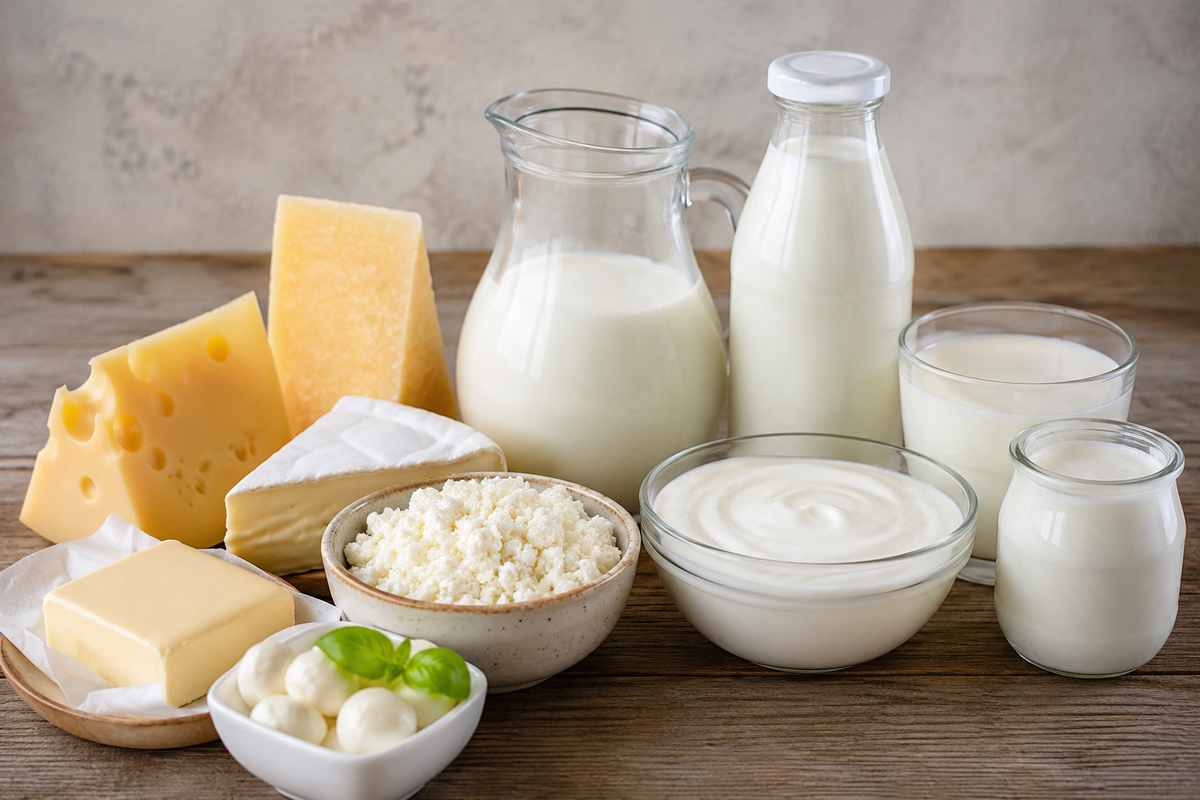
Cow’s milk is a nutrient-dense food that provides protein, calcium and vitamin B12 to support bones, muscles and overall health. For most people, milk, maas and yoghurt are safe and beneficial, but tolerance varies and effects depend on the type consumed and the overall diet.

Share
Q&A: What does the science really say about milk consumption and health?

 Take-Home Messages 🔑 

Topic

Key message

Nutrient composition🥛🧬

Milk provides high-quality protein, calcium, potassium, phosphorus, iodine, vitamin B12 and other nutrients essential for growth, bone health and muscle function.

Bone health🦴

Milk, maas and yoghurt are among the richest and most bioavailable sources of calcium, helping children achieve peak bone mass and adults maintain bone strength.

Weight management⚖️

Dairy intake is generally weight neutral and may improve satiety, preserve lean mass and reduce abdominal obesity.

Dairy fat🧈

The health effects of dairy depend on the whole food matrix and full-fat dairy is not consistently associated with adverse cardiometabolic outcomes.

Lipid profile❤️🩸

Dairy foods do not worsen cholesterol or triglyceride levels.

Inflammation🔥

Dairy consumption may modestly reduce inflammatory biomarkers.

Fermented dairy🦠🥣

Yoghurt, kefir and maas provide beneficial bacteria and bioactive compounds that may support gut, metabolic and immune health.

Lactose intolerance🚫🥛

Many people with lactose intolerance can tolerate small amounts of milk, yoghurt, hard cheeses or lactose-free dairy products.

Cow’s milk allergy⚠️🥛

Individuals with confirmed cow’s milk allergy should avoid dairy and use appropriate alternatives to maintain adequate nutrient intake.

Raw milk🥛⚠️

Raw milk carries risk of foodborne infections and should not be consumed.

Non-dairy creamers☕🏭

Most non-dairy creamers are ultra-processed products that provide little protein, calcium or other nutrients found naturally in milk.

Plant-based alternatives🌱🥛

Only some fortified plant-based beverages, particularly soy milk, approach the nutrient profile of cow’s milk.

Potential health benefits✅💚

Regular consumption of milk, maas and yoghurt is associated with improved bone health and may contribute to lower risks of hypertension, type 2 diabetes, colorectal cancer and cardiovascular disease when included as part of a healthy dietary pattern.

Potential risks⚠️

Some observational studies report modest associations between milk intake and acne, Parkinson’s disease and certain cancers, but these findings do not prove causation.

Sources of conflicting evidence⚖️🔬

Health effects vary according to dairy type, fat content, fermentation, processing, added sugars and individual factors such as genetics and gut microbiota.

Recommended intake🥛📅

One of South Africa’s Food-Based Dietary Guidelines recommends: “Have milk, maas or yoghurt every day.” Most adults can include 2–3 servings of milk, maas or yoghurt per day, depending on age, nutritional needs and tolerance.


Introduction 🐄🥛

Cow’s milk is widely consumed around the world and used in a variety of cuisines. However, intake remains low in some regions, including South Africa, raising concerns about inadequate intakes of calcium and other essential nutrients provided by milk and dairy products. Milk, maas (similar to A2 milk) and yoghurt are nutrient-dense foods that provide high-quality protein, calcium, potassium, phosphorus, iodine, vitamin B12 and other nutrients essential for growth, bone health and muscle function, while being naturally low in sodium (1). The fat content of dairy products varies, and in addition to their nutrient profile, dairy foods contain bioactive peptides and unique fatty acids that may help lower blood pressure, reduce inflammation and support cardiometabolic health (1). Fermented dairy products such as maas also provide beneficial bacteria and may improve lipid profiles, glycaemic responses and appetite regulation (1).

Despite these nutritional and functional benefits, milk remains a controversial food. Systematic reviews and meta-analyses suggest that dairy consumption may support bone (2) and dental health (3), muscle recovery after physical activity (3), sleep quality (4), weight management (5, 6), and may reduce the risk of colorectal (7) and breast cancer (8). However, higher milk intake has also been associated in some studies with acne (9), Parkinson's disease (10, 11) and certain cancers (12, 13). In addition, raw milk should not be consumed because of the risk of foodborne illness. Some individuals are unable to tolerate dairy products because of lactose intolerance or cow’s milk protein allergy.

Here I review the current scientific evidence on the potential benefits and risks of cow’s milk consumption and discusses recommended intake levels.

Milk content 🧪

Milk is nutrient-dense. Milk is an excellent source of calcium, phosphorus, magnesium and vitamin D for strong bones and teeth; vitamin B12 for red blood cell formation and nerve function; potassium for healthy blood pressure; vitamin A for vision and skin health; and riboflavin (vitamin B2), which helps the body release energy from food and supports normal growth, cell function and metabolism. Milk is usually stored in opaque or cardboard containers because riboflavin (vitamin B2) is highly sensitive to light exposure. Light can rapidly destroy riboflavin, reducing the vitamin content and nutritional quality of the milk.

Milk also provides high-quality whey and casein proteins to support muscle growth and repair. Bioactive peptides, short chains of amino acids, are derived from casein and whey proteins in milk and remain inactive until they are released by digestive enzymes from proteins during digestion or by bacteria during fermentation or food processing (14). Some act as inhibitors of angiotensin-converting enzyme (ACE), helping to lower blood pressure, while others may reduce inflammation, enhance immune function, improve mineral absorption and exert antimicrobial effects. These functional properties help explain why milk and fermented dairy products may provide health benefits that extend beyond their content of calcium, protein and other essential nutrients (1).

The primary carbohydrate in milk is lactose, a naturally occurring disaccharide composed of glucose and galactose that is found almost exclusively in mammalian milk and serves as an important source of energy, especially during infancy. Lactose concentrations vary by species, with cow’s milk containing approximately 46 g/L (4.6%) and human milk about 70 g/L (7%).

Milk fat is a complex natural fat composed of more than 400 fatty acids, including butyric acid and sphingolipids, some of which may have anti-inflammatory, anti-atherosclerotic and potentially anti-carcinogenic properties that could help reduce the risk of non-communicable diseases (1). Ruminant-derived trans fatty acids, such as vaccenic acid and conjugated linoleic acid (CLA), differ from industrial trans fats found in partially hydrogenated oils and may have distinct and potentially beneficial, effects on cardiovascular health (15). Current human and animal studies suggest these naturally occurring trans fats in dairy warrant further investigation as possible functional food components (15). The fatty acid composition of milk can be modified by altering the diets of cows, making it possible to produce milk with optimal fat contents (16).

Types of cow milk and other dairy products 🐄

Cow milk comes in various forms depending on fat content, processing and intended use. Table 1 summarises the main types of cow’s milk available, which differ in fat content, processing methods, and formulation, including whole, reduced-fat, skim, lactose-free, A2, organic, raw, homogenised and flavoured milk. Normal pasteurised milk and ultra-high temperature (UHT; “long-life”) milk have similar nutrient profiles, although UHT processing may cause slightly greater losses of heat-sensitive vitamins such as vitamin B12, folate and vitamin C. The protein, calcium, fat, lactose and energy contents remain largely unchanged between the two types of milk.

Table 1: Types of cow milk 🥛

Type

Description

Whole milk

Contains ~3.25% fat; rich and creamy; standard for general consumption

2% Milk

Reduced-fat milk with 2% fat; a balance between taste and lower fat

1% Milk

Low-fat milk with 1% fat; lighter texture

Skim Milk

Fat-free milk

Raw milk

Unpasteurised and unhomogenised; controversial due to safety concerns

Lactose-free milk

Cow milk with added lactase enzyme; suitable for lactose-intolerant individuals

A2 milk

Contains only the A2 variant of the β-casein protein, which may be easier to digest and gentler on the gastrointestinal system compared to regular milk that contains both A1 and A2 β-casein (17).

- **Australia & New Zealand**: a2 Milk® 

- **United States & Canada**: a2 Milk® USA and a2 Milk™ Canada 

- **China**: a2™至初® infant formula and a2 Milk® fresh milk

- **South Africa**: Brands like **Amasi A2 Milk** and **a2 Milk®** (available via select retailers) 

- **India**: Amul A2 Milk, Gir Cow A2 Milk 

- **UK**: a2 Milk® UK, available in major supermarkets

Organic milk

From cows raised without synthetic pesticides or hormones

Homogenised milk

Processed to evenly distribute fat; prevents cream separation

Flavoured milk

Includes chocolate or strawberry; often high in added sugars


In the dietitian's exchange list, a milk exchange refers to a serving of milk or milk-based product that provides a consistent amount of carbohydrates, protein, fat and energy. These exchanges help individuals—especially those managing diabetes—plan balanced meals. One milk exchange is equivalent to 1 cup (250 mL) of milk (skim, low-fat, or whole, depending on the category), 1 cup of plain low-fat yogurt, ½ cup of evaporated milk or ⅓ cup of dry milk powder reconstituted with water. Note that the latter do not include non-dairy creamers. Many people replace milk with non-dairy creamers under the assumption that they are healthier or less fattening; however, most commercial non-dairy creamers are highly processed products typically made from refined vegetable oils (such as palm kernel or coconut oil), glucose syrup solids or maltodextrin, emulsifiers, stabilisers, and added sugars. Although they are free of lactose and milk protein, they generally provide little nutritional value and contain negligible amounts of calcium, high-quality protein, and other micronutrients naturally found in milk. Some products are rich in saturated fats, particularly when formulated with hydrogenated or tropical oils, and frequent consumption may contribute to excessive energy intake and adverse cardiometabolic effects. Unlike milk, which is a nutrient-dense whole food, non-dairy creamers are ultra-processed products that should not be considered nutritionally equivalent substitutes for milk, maas, or yoghurt.

Table 2: Milk exchanges

Type of milk exchange

Carbs (g)

Protein (g)

Fat (g)

kJ

Calories

Skim milk

12

8

0–3

380

90

Low-fat milk

12

8

5

500

120

Whole milk

12

8

8

630

150


Milk is also incredibly versatile and forms the base of a wide range of products across culinary, nutritional, and industrial domains (see Table 3). Fermented dairy products are foods made by adding specific bacteria, yeasts or molds to milk, which ferment the lactose (milk sugar) into lactic acid—altering the texture, flavour and nutritional profile of the product. These products often contain probiotics, support gut health and are typically easier to digest than non-fermented dairy.

Table 3: Dairy-based products 🧈

Product

Description

Cheese 🧀

Cheddar, brie, feta, paneer, ricotta and cottage cheese etc.

Yogurt

Fermented milk with live cultures; probiotic-rich

Butter

Made by churning cream; used in cooking and baking

Buttermilk

Liquid left after churning butter; used in baking and marinades

Ghee

Clarified butter with a nutty flavour; high smoke point

Cream

Includes heavy cream, sour cream, whipped cream

Kefir

Fermented, drinkable milk with diverse probiotic strains

Amasi

South African fermented milk; similar to yogurt or cottage cheese

Skyr

Icelandic cultured dairy; thick and high in protein

Quark

Soft, fresh cheese; popular in Europe

Condensed milk

Sweetened, thick milk used in desserts or coffee

Evaporated milk

Unsweetened concentrated milk; shelf-stable

Milk powder

Dehydrated milk for long-term storage and reconstitution

Whey protein

Extracted from cheese-making; used in supplements

Milk chocolate

Blend of cocoa, sugar and milk solids

Ice cream & gelato

Frozen desserts made with milk, cream and sugar

Canned milk is heat-processed milk sealed for long-term storage, with the most common types being evaporated milk (unsweetened and concentrated) and sweetened condensed milk (concentrated with added sugar). Evaporated milk retains most of the nutrients found in fresh milk, whereas sweetened condensed milk is high in added sugar and should be consumed in moderation.

Health benefits

All-cause mortality 📈

Two systematic reviews and meta-analyses of 21 observational cohort studies found no association between daily milk consumption and risk of all-cause mortality, coronary heart disease or stroke, though potential publication bias suggests that risks may be underestimated (18, 19). A systematic review and meta-analysis of 29 prospective cohort studies (n = 1,680,651) found that dairy intake shows a dose-dependent and product-specific association with mortality, with a U-shaped relationship and optimal intake around 250–300 g/day (20). Fermented dairy, particularly yogurt, was associated with reduced all-cause and cardiovascular mortality, while cheese and milk showed more modest or outcome-specific benefits, highlighting that health effects vary by dairy type rather than total intake alone (20). In a large Norwegian cohort study, high consumption of whole milk was associated with increased cardiovascular and all-cause mortality, while low-fat milk intake was linked to lower mortality risks (21). In a prospective cohort study of 9,597 cancer patients followed for a median of 13.3 years, higher post-diagnosis intake of whole and 2% fat milk was associated with increased all-cause and cancer mortality, while skim milk intake was linked to reduced mortality (22). Substituting higher-fat milk with lower-fat options was associated with longer life expectancy, with skim milk linked to modest gains in life-years (22).

Colon and breast cancer 🎗️

A systematic review and meta-analysis found that higher consumption of total dairy products, particularly milk and cheese, was associated with a lower risk of colorectal cancer, with low-fat milk showing a protective effect mainly for colon cancer and cheese specifically for proximal colon cancer (7). A meta-analysis of prospective cohort studies found that higher dairy consumption, particularly yogurt and low-fat dairy products, was associated with a modest dose-dependent reduction in breast cancer risk (8).

Cardiovascular benefits ❤️

The overall impact of dairy on cardiovascular health has been debated, with some studies suggesting beneficial effects and others pointing to potential risks due to the saturated fat content in certain dairy products. A systematic review and meta-analysis of 65 randomised controlled trials found that milk protein supplementation—particularly casein and whey—reduced total cholesterol, triglycerides and systolic blood pressure, suggesting potential cardiovascular benefits, though effects on other markers including liver enzymes and oxidative stress were not significant (23). In a large Norwegian cohort study, high consumption of whole milk was associated with increased cardiovascular and all-cause mortality, while low-fat milk intake was linked to lower mortality risks (21). The authors argue that the health effects of full‑fat dairy cannot be reduced to its saturated fat content alone, as newer controlled trials show outcomes depend on the whole‑food matrix (24).

Lipid profile

A meta-analysis of randomised controlled trials found that dairy consumption had no effect on triglycerides, total cholesterol, LDL cholesterol or HDL cholesterol, regardless of the amount consumed, duration of intake or participants’ dyslipidaemia status (25). Dairy foods generally do not adversely affect blood lipid profiles because their nutrients interact within a complex food matrix. Components such as calcium, milk proteins, the milk fat globule membrane, beneficial bacteria in fermented products and unique milk fatty acids can reduce fat and cholesterol absorption, improve gut and lipid metabolism and offset the potential cholesterol-raising effects of saturated fat.

Inflammation

A meta-analysis of 11 randomised controlled trials involving 663 adults found that higher dairy consumption may reduce several inflammatory biomarkers, including C-reactive protein (CRP), tumor necrosis factor-α (TNF-α) and interleukin-6 (IL-6), while increasing adiponectin concentrations (26). Overall, suggesting that dairy intake may have modest anti-inflammatory effects, although results were inconsistent across study designs and further research is needed, particularly regarding the influence of dairy fat content.

Fibrinogen

Dairy consumption may influence fibrinogen, although the effects appear to depend on the type of dairy consumed and the overall dietary pattern. Low-fat dairy products have generally been associated with lower fibrinogen and reduced cardiovascular risk, possibly due to their content of calcium and vitamin D, which may exert anti-inflammatory effects, while fermented dairy products such as yogurt may provide additional benefits through probiotic-mediated reductions in systemic inflammation (27).

Blood pressure

Milk has a high potassium and low sodium content, resulting in a favourable sodium-to-potassium ratio that may help reduce the risk of hypertension and cardiovascular disease (1). A systematic review and meta-analysis of five prospective cohort studies involving nearly 45,000 adults and 11,500 cases of elevated blood pressure found that higher dairy intake, particularly low-fat dairy and fluid dairy products such as milk and yogurt, was associated with a lower risk of developing hypertension, whereas no association was observed for cheese (28).

Metabolic syndrome and glucose regulation 🩸

A systematic review of 13 observational studies found that higher dairy consumption was associated with a lower prevalence or incidence of metabolic syndrome in most studies, suggesting a potential protective effect on cardiometabolic health (29).

A randomised-controlled trial found that short-term consumption of full-fat yogurt, compared to non-fat yogurt, improved markers of glucose regulation and metabolic hormone levels in prediabetics, suggesting potential benefits for metabolic health (30). A randomised controlled trial found that almond milk does not provide additional glycaemic or metabolic benefits over 2% cow’s milk in adults with type 2 diabetes and obesity, although carbohydrate-matched cow’s milk triggered a higher insulin and glucagon response, suggesting potential long-term metabolic implications (31).

Bone health🦴

A meta-analysis of 21 randomised controlled trials found that increasing calcium and dairy intake improved total body and lumbar spine bone mineral content in children with low calcium intakes, whereas little benefit was observed in children whose calcium intake was already adequate (32). Thus dairy products support bone development in children who do not consume enough calcium. Milk helps prevent osteoporosis and fractures, especially in older adults. A 25-year follow-up study of over 14,000 Finnish women found that long-term consumption of liquid dairy products such as milk, yogurt and sour milk was associated with a lower risk of fractures and osteoporotic fractures, while cheese intake specifically reduced hip fracture risk (2).

Dental health 🦷

Cariogenicity refers to the ability of a food or beverage to promote cavities by providing fermentable carbohydrates that oral bacteria convert into acids, which erode and demineralise teeth. In an animal study, cow’s milk was found to be far less cariogenic than sucrose, honey and cola, meaning it has a lower tendency to cause dental caries (tooth decay) (33). Minerals and casein protein protects enamel and reduces cavity risk. A systematic review found moderate-quality evidence that adding casein phosphopeptide-amorphous calcium phosphate (CPP-ACP) to milk, chewing gum or candy may promote enamel remineralisation and help inhibit dental demineralisation (3).

Muscle recovery 💪

Milk is an excellent post-workout beverage because it provides high-quality protein for muscle repair, carbohydrates to replenish glycogen stores and electrolytes and fluid to support rehydration and recovery (34).

Asthma 🌬️ and allergies

Early-life consumption of raw cow’s milk is associated with a reduced risk of asthma and allergies (35). A systematic review and meta-analysis of observational studies in children found no overall association between dairy consumption and asthma risk, although higher milk and dairy intake was associated with a lower risk of asthma in non-Asian populations and in higher-quality studies (36).

Cognitive function 🧠

An 8-week triple-blind, randomised, placebo-controlled trial in 40 healthy women investigated whether daily consumption of 130 g of a probiotic fermented yoghurt influences brain structure and function through the gut–brain axis (37). The intervention produced changes in hippocampal-related measures, including alterations in hippocampal glutathione levels, functional connectivity between the hippocampus and frontal pole and changes in gut microbiome composition (37). However, some structural brain findings did not remain significant after correction for multiple comparisons and no clear effects were observed on mental health, cognition, gastrointestinal symptoms or inflammatory markers (37). A Mendelian randomisation study across three cohorts found weak and inconsistent evidence for a causal link between dairy consumption and cognitive function in older adults, suggesting that increasing dairy intake is unlikely to meaningfully improve cognition (38). In a large (n= 27,670) Swedish cohort study, higher intake of high‑fat cheese and cream was associated with a lower risk of all‑cause dementia, Alzheimer’s disease and vascular dementia, while low‑fat dairy products showed no association (39).

Weight management ⚖️

Dairy foods may support weight management by increasing satiety, preserving lean muscle mass and improving gut health and appetite regulation, particularly when consumed as fermented products such as yoghurt and maas. Overall, dairy intake is generally associated with neutral or modestly beneficial effects on body weight, especially during energy restriction. Greek yogurt increased satiety within 30 minutes and raised postprandial insulin levels compared to peanuts in women with overweight and obesity (40). Yogurt can serve as a functional carrier for probiotics and postbiotics, offering a stable, bioactive-rich medium that supports gut health and enhances the viability of beneficial microbes. Yogurt fortified with Akkermansia muciniphila postbiotic improved body composition, liver enzyme levels and appetite scores in overweight and obese adults, while Lactobacillus rhamnosus-fortified yogurt showed no measurable benefits (41).

A systematic review and meta-analysis of 28 studies involving nearly 21,000 children found that those who consumed whole milk had lower odds of being overweight or obese than those who drank reduced-fat milk, challenging current guidelines that recommend reduced-fat milk to prevent childhood obesity (5). Also a systematic review and meta-analysis of 28 observational studies involving nearly 196,000 participants found that higher dairy consumption was linked to a 16% lower risk of abdominal obesity (6). Dose-response analysis showed that each 160 g/day increase in dairy intake reduced the odds of abdominal obesity by 8%, with yogurt consumption specifically associated with a 21% reduction. Even whole-fat dairy products demonstrated protective effects (6). Another systematic review and dose–response meta-analysis of five cohort studies found that while fermented dairy intake—especially high-fat yogurt—may be associated with reduced abdominal obesity risk, the overall effect was not significant and further research is needed to confirm these findings (42).

Sleep 😴

A systematic review and meta-analysis of randomised controlled trials found that consuming milk and dairy products improved self-reported sleep quality, as indicated by reductions in Pittsburgh Sleep Quality Index scores (4). However, additional high-quality human studies are needed to confirm these findings.

Gut bacteria 🦠

A randomised crossover study found that yogurt consumption temporarily increased yogurt-associated bacteria in the gut, while adding rolled oats slightly improved microbial evenness in a small subgroup (43). Despite these changes, overall gut microbiota remained stable and resilient, with no effects on stool metabolites or blood health markers (43). The findings highlight that short-term dietary interventions produce only modest, individualised microbiome shifts (43).

Neutral health effects

Depression 🙂

A systematic review of seven prospective and six cross-sectional studies involving 58,203 adults found inconsistent and conflicting associations between dairy consumption and depression, with no clear evidence that dairy intake either increases or decreases depressive symptoms or disorders (44).

Health risks ⚠️

Lactase non-persistence, lactose malabsorbers and lactose intolerance

Lactose, the natural sugar in milk, is digested by the enzyme lactase (lactasephlorizin hydrolase), which is produced in the brush border of the small intestine, particularly in the duodenum and jejunum; however, in most mammals and approximately 65–70% of humans, lactase production declines after weaning, a condition known as lactase non-persistence (LNP), which may result in lactose malabsorption (LM) and, in some individuals, lactose intolerance (LI). Primary lactase deficiency is the most common form and affects about 70% of the global population, with prevalence ranging from 5% in British populations to 90% in Asian populations (45), while secondary lactase deficiency may occur temporarily following intestinal damage such as coeliac disease or gastroenteritis. Lactose malabsorption refers to incomplete digestion of lactose, whereas lactose intolerance describes the gastrointestinal symptoms—such as bloating, gas and diarrhoea—that arise when undigested lactose is fermented in the colon. Diagnosis can be confirmed using intestinal biopsy, blood glucose or galactose tests, breath hydrogen testing or genetic testing. A case–control study of 75 patients with irritable bowel syndrome and 272 healthy controls found that genetic variants associated with lactase non-persistence (C/T₁₃₉₁₀ and G/A₂₂₀₁₈) accurately predicted lactose intolerance and symptom severity after lactose ingestion in irritable bowel syndrome patients, supporting the usefulness of genotyping as a diagnostic tool for lactose intolerance in this population (46).

Milk contains the highest lactose content (approximately 15 g per 250 mL), while yoghurt, custard and ice cream contain moderate amounts and hard cheeses, butter and cream contain little lactose and are generally better tolerated. Many individuals with lactose malabsorption can tolerate around 4 g of lactose per sitting, especially when consumed as part of a mixed meal and can choose lactose-free milk or fortified plant-based alternatives such as soy, oat, almond and rice milk if needed (1). Tolerance is influenced by factors such as gut microbiota, gastrointestinal transit time, probiotic use and individual symptom perception and lactose is also classified as a FODMAP, which may contribute to digestive symptoms in individuals with irritable bowel syndrome.

🔍 FODMAP stands for 🔤:

  • Fermentable
    → These carbs are broken down (fermented) by gut bacteria.
  • Oligosaccharides
    → Includes fructans and galacto-oligosaccharides (GOS), found in foods (wheat, onions, garlic and legumes).
  • Disaccharides
    → Mainly lactose, found in milk and dairy products.
  • Monosaccharides
    → Specifically excess fructose, found in fruits (apples and mangoes).
  • And
    → Just part of the acronym.
  • Polyols
    → Sugar alcohols (sorbitol and mannitol), found in some fruits, vegetables and sugar-free products.

Table 4: Genetic variants associated with lactase persistence and lactose intolerance

Variant (Traditional Name)

dbSNP ID

Associated with

Predominant populations

Clinical interpretation

C/T−13910

rs4988235

Lactase persistence/non-persistence

Northern Europeans

CC = lactase non-persistence; CT/TT = lactase persistence

G/A−22018

rs182549

Strongly linked to −13910 variant

Europeans

GG = lactase non-persistence; GA/AA = lactase persistence

G/C−14010

rs145946881

Lactase persistence

East African populations

Persistence-associated allele common in pastoralist groups

T/G−13915

rs41380347

Lactase persistence

Middle Eastern and Arabian populations

Persistence-associated allele

C/G−13907

rs41525747

Lactase persistence

Northeast African and Middle Eastern populations

Persistence-associated allele

T/C−13913

rs41456145

Lactase persistence

African and Middle Eastern populations

Persistence-associated allele

G/A−13914

rs869051967

Lactase persistence

Some African populations

Rare persistence-associated allele

T/C−3712

Not formally catalogued

Possible regulatory effect on lactase expression

Limited reports

May influence lactase expression, but less well established


Milk allergy

A systematic review and meta-analysis of 50 European studies (42 included in the meta-analyses) found that cow’s milk allergy was the most common challenge-confirmed food allergy, affecting approximately 0.6% of the population, with higher prevalence in younger children and in Northern Europe (47). Children with cow's milk allergy are more likely to have lower calcium intake and reduced height, weight and body mass index compared with children without food allergies, highlighting the importance of careful nutritional management to support normal growth and bone development (48). Only children with a confirmed diagnosis should avoid dairy and treatment involves eliminating cow’s milk proteins and replacing them with suitable alternatives such as soy- or rice-based products. Children often outgrow milk allergy by 3–5 yrs but symptoms may persist in some (49).

Parkinson’s disease 🧠

Two systematic reviews and meta-analyses—one dose-response analysis of 29 prospective cohort studies involving more than 1.3 million participants and another meta-analysis of 9 observational studies including over 634,000 participants—found that higher consumption of dairy products, particularly total dairy and milk, was associated with a modestly increased risk of Parkinson’s disease, especially in men, while most other dairy products showed no consistent associations (10, 11).

Type 1 diabetes 💉

A meta-analysis of seven studies found a small but statistically significant association between higher dairy consumption and an increased risk of type 1 diabetes in children (RR 1.04), although the results showed substantial heterogeneity (50). Further longitudinal studies are needed to determine whether this relationship is causal.

Acne and skin conditions 🧴

A meta-analysis of four cohort studies and nine case–control or cross-sectional studies involving 71,819 participants found that milk consumption, particularly skim milk and higher intake levels, was associated with a modestly increased risk of acne (9).

Digestive discomfort 😣🤢

Consuming A2 milk for two weeks improved gut microbiota composition in individuals with milk-related gastrointestinal discomfort, increasing beneficial bacteria like *Bifidobacterium* and *Blautia*(51). Excessive intake may lead to bloating or nausea, even in non-intolerant individuals

Prostate cancer

A systematic review of 32 epidemiological studies involving more than one million men found that higher milk and dairy consumption was generally associated with an increased risk of prostate cancer and prostate cancer mortality (52). However, evidence comparing different milk types (skim, low-fat, and whole milk) was limited and inconsistent. Further experimental research is needed before specific dietary recommendations can be made (52).

Liver cancer 🎗️

A meta-analysis of 18 observational studies (10 cohort and 8 case-control studies) involving 6,562,714 participants and 7,970 primary liver cancer cases found that higher milk consumption was associated with an increased risk of primary liver cancer, whereas yogurt consumption was associated with a lower risk (12). No significant associations were observed for total dairy intake or for cheese and curd consumption (12).

Ovarian cancer 🎗️

An umbrella review of 22 systematic reviews and meta-analyses of prospective cohort studies found only weak evidence that higher intake of skim/low-fat milk and lactose was associated with an increased risk of ovarian cancer (13).

Milk anaemia

Milk anaemia is a form of iron-deficiency anaemia linked to excessive cow’s milk intake in infancy and early childhood (53). The condition arises when cow’s milk replaces breast milk, iron-fortified formula or iron-rich complementary foods, resulting in inadequate iron intake. Risk is further increased by the low iron content and bioavailability of cow’s milk, its inhibitory effects on iron absorption, and the potential for occult gastrointestinal blood loss in susceptible children. Therefore, parents or caregivers should avoid giving large amounts of milk with main meals and rather offer milk between meals. To optimise iron status, iron-rich foods should be paired with vitamin C-rich foods and dairy products should ideally be consumed 1–2 hours before or after meals that provide significant amounts of iron. Women at risk of iron-deficiency anaemia should not avoid dairy products, but it is advisable to consume milk and other calcium-rich foods separately from iron-rich meals.

Risks of raw milk❌

A systematic review commissioned by the New Zealand Food Safety Authority identified 272 studies, of which 84 higher-quality observational and outbreak studies were evaluated, and found moderate evidence that consumption of raw milk and raw milk products is causally associated with infections caused by Campylobacter, Escherichia coli, Listeria monocytogenes and Salmonella, with weaker evidence for Brucella (54). Raw milk and unpasteurised dairy products pose a clear microbiological risk to human health, although the available data were too heterogeneous and methodologically limited to support a formal meta-analysis (54). Raw milk sales are banned or limited in many regions of the world due to safety concerns.

Recommendations for intake

Globally, dairy consumption is highly variable. Intake is generally high in many European Union countries, United States and India, but substantially lower in many low- and middle-income countries, particularly in sub-Saharan Africa. In South Africa, both milk and calcium intakes are consistently reported to be below recommended levels (1). This low intake is attributed to several barriers, including the perception of lactose intolerance which is often overestimated (55), high cost, taste preferences, limited knowledge of the nutritional benefits of dairy and cultural beliefs or taboos. In some South African communities, traditional taboos historically restricted milk intake to certain groups—for example, fresh milk was often reserved for young children and older adults, men were permitted to drink milk only within their own households or among close relatives, newly married women could consume milk only after being formally accepted into their husband’s family, and women who were menstruating or who had experienced a miscarriage were prohibited from consuming milk and other dairy products (1).

Furthermore, a common barrier to milk consumption, particularly among women, is the misconception that milk causes weight gain, despite evidence from systematic reviews and meta-analyses showing that low-fat and fermented dairy products are not associated with increased body weight and may support weight management as part of a balanced diet.

Improving dairy intake in South Africa will require coordinated nutrition education, culturally appropriate messaging and strategies to improve affordability and access. Reflecting the importance of dairy foods in the diet, one of the national Food-Based Dietary Guidelines recommends: “Have milk, maas, or yoghurt every day” (1).


Table 5: Recommended daily milk intake

Age group

Recommended intake

Notes

Infants (0–12 months)

Breast milk only

Cow's milk not recommended before 12 months

Toddlers (1–3 years)

2–3 cups (480–720 ml)

Whole milk preferred for fat and brain development. Cow milk protein allergy is rare but should be monitored.

Children (4–8 years)

2–2.5 cups (480–600 ml)

Low-fat or skim milk recommended

Adolescents (9–18 years)

3 cups (720 ml)

Supports bone growth and peak bone mass

Adults (19+ years)

2–3 cups (480–720 ml)

Maintains bone density and overall wellness


Milk and dairy should ideally be consumed 1–2 hours before or after meals that provide significant amounts of iron to prevent milk anaemia.

An intake of 400–500 mL of low-fat milk per day provides approximately 480–610 mg of calcium, which supplies about 48–61% of the daily calcium requirement of 1,000 mg for women aged 19–50 years and men up to 70 years of age. Because casein proteins in milk can bind to some of the polyphenols in coffee and potentially reduce their bioavailability, those seeking to maximise coffee’s antioxidant benefits may prefer to drink coffee black and consume milk separately.

Cow milk and plant-based alternatives 🥛 🌱

For those who are lactase non-persistent or allergic to milk protein it is important to consider alternatives that match the nutrient profile of cow’s milk. In Table 6 is a list of alternatives.

Table 6: Overview of cow milk alternatives and their characteristics

Milk alternative

Main ingredient

Key features

Soy milk

Soybeans or soy protein

High in protein; closest nutritional match to cow’s milk; good for cooking

Almond milk

Ground almonds

Low in energy; mild flavour; often fortified with calcium and vitamin D

Oat milk

Oats and water

Creamy texture; naturally sweet; higher in carbs; great in coffee and baking

Coconut milk

Coconut meat and water

Rich and creamy; high in saturated fat; best for desserts and curries

Rice milk

Boiled brown rice

Light and sweet; low allergen risk; high in carbs; not ideal for thick sauces

Cashew milk

Cashews and water

Creamy and mild; lower in protein; good for smoothies and cereals

Hemp milk

Hemp seeds

Contains omega-3s; nutty flavour; suitable for those with nut allergies

Pea milk

Yellow split peas

High in protein; creamy texture; often fortified with nutrients

Goat’s milk

Goat milk

Animal-based but easier to digest for some; similar nutrient profile to cow’s milk

Conclusion

For most people, milk is healthy when consumed as part of a balanced diet. Milk, maas and yoghurt are nutrient-dense foods that provide high-quality protein, and other essential nutrients that support bone health, muscle function, dental health and cardiometabolic health. Current evidence suggests that dairy intake is generally neutral to beneficial, with potential advantages for bone strength, blood pressure, weight management, sleep and gut health. However, milk is not suitable for everyone. Individuals with lactose intolerance or cow’s milk allergy may need to limit or avoid dairy. Some observational studies have also linked higher milk intake to acne, Parkinson’s disease and certain cancers, although these associations are generally modest and do not establish causation. For most people, pasteurised milk and fermented dairy products can be part of a healthy diet, but the health effects depend on the type of dairy consumed, the amount, individual tolerance, genetics and the overall dietary pattern. Future research should move beyond examining total dairy intake and instead investigate how health effects vary according to the type of dairy product, fat content, fermentation status, degree of processing, the addition of vitamin D or probiotics, the addition of sweeteners and individual factors such as genetics, gut microbiota composition and overall dietary patterns.

Reflections 💭

·         Are you consuming enough calcium to achieve peak bone mass? Most bone mass is accumulated during the first two decades of life, but peak bone mass is usually reached by the late twenties. Adequate calcium, vitamin D, protein and weight-bearing exercise during these years are critical for maximising bone strength and reducing the risk of osteoporosis later in life.

·         Are you focusing on your overall dietary pattern rather than judging a single food? Milk can be a valuable part of a healthy diet, but its health effects depend on the quality of the rest of your diet and lifestyle.

·         Are you avoiding dairy because of misconceptions about fat or weight gain? Are you relying on evidence rather than myths? Current evidence suggests that both low-fat and full-fat dairy can fit into a balanced diet, depending on your health goals and energy needs.

·         Are you avoiding dairy because you believe you are lactose intolerant? Many people who think they are lactose intolerant can tolerate small amounts of milk, especially when consumed with meals, or can choose lactose-free milk, yoghurt and hard cheeses, which provide the same essential nutrients, including calcium, needed to build and maintain strong bones.

·         If you avoid dairy entirely, how will you meet your calcium needs? Careful planning is required to obtain sufficient calcium, protein, vitamin B12, iodine and other nutrients from fortified foods or supplements when dairy is excluded from the diet.

Love what you’re reading? Share the knowledge! 📨 Forward this link to a friend who might also enjoy it.

References 📚

1.             Vorster HH, Wentzel-Viljoen E, Vermaak M. “Have milk, maas or yoghurt every day”: a food-based dietary guideline for South Africa. South African Journal of Clinical Nutrition. 2013;26:S57-S65.

2.             Alaghehband FR, Lyytinen AT, Isanejad M, Kopra J, Kröger H, Rikkonen T. Long-term consumption of liquid dairy products predicts lower fracture risk in aging women: a 25-year follow-up. European Journal of Nutrition. 2025;64(5):1-10.

3.             Giacaman RA, Maturana CA, Molina J, Volgenant CMC, Fernández CE. Effect of Casein Phosphopeptide-Amorphous Calcium Phosphate Added to Milk, Chewing Gum, and Candy on Dental Caries: A Systematic Review. Caries Research. 2023;57(2):106-18.

4.             Peres AP, Domingues YO, Beserra BTS, Guimarães NS, Bento JAC, Porto YD, et al. The Consumption of Milk or Dairy Products and Sleep Quality: A Systematic Review and Meta-Analysis. Cureus. 2025;17(9):e92556.

5.             Vanderhout SM, Aglipay M, Torabi N, Jüni P, da Costa BR, Birken CS, et al. Whole milk compared with reduced-fat milk and childhood overweight: a systematic review and meta-analysis. The American Journal of Clinical Nutrition. 2020;111(2):266-79.

6.             Rouhani P, Mokhtari E, Soltani S, Saneei P. Consumption of Dairy Products and Abdominal Obesity in Adults: A Systematic Review and Dose-Response Meta-Analysis of Epidemiologic Studies With GRADE Assessment. Nutrition Reviews. 2025.

7.             Barrubés L, Babio N, Becerra-Tomás N, Rosique-Esteban N, Salas-Salvadó J. Association Between Dairy Product Consumption and Colorectal Cancer Risk in Adults: A Systematic Review and Meta-Analysis of Epidemiologic Studies. Advances in Nutrition. 2019;10:S190-S211.

8.             Zang J, Shen M, Du S, Chen T, Zou S. The association between dairy intake and breast cancer in Western and Asian populations: a systematic review and meta-analysis. Journal of breast cancer. 2015;18(4):313-22.

9.             Dai R, Hua W, Chen W, Xiong L, Li L. The effect of milk consumption on acne: a meta‐analysis of observational studies. Journal of the European Academy of Dermatology and Venereology. 2018;32(12):2244-53.

10.          Akhlaghi M, Foshati S, Hashemi Moghaddam F, Sasani MR, Kazemi A. Foods and Dietary Intakes and the Risk of Parkinson's Disease: A Systematic Review and Dose-Response Meta-analysis of Prospective Cohort Studies. Nutr Rev. 2025.

11.          Yang D, Nepal G, Ojha R, Tu Z. Association between dairy consumption and Parkinson's disease: A systematic review and meta-analysis. Public Health. 2026;252:106143.

12.          Dai J, Yin T, Cao L. Dairy consumption and liver cancer risk: A meta‑analysis of observational studies. Oncology Letters. 2024;27(3):108.

13.          Sun H, Gong T-T, Xia Y, Wen Z-Y, Zhao L-G, Zhao Y-H, et al. Diet and ovarian cancer risk: An umbrella review of systematic reviews and meta-analyses of cohort studies. Clinical Nutrition. 2021;40(4):1682-90.

14.          Park YW, Nam MS. Bioactive Peptides in Milk and Dairy Products: A Review. Korean J Food Sci Anim Resour. 2015;35(6):831-40.

15.          Wang Y, Jacome-Sosa MM, Proctor SD. The role of ruminant trans fat as a potential nutraceutical in the prevention of cardiovascular disease. Food Research International. 2012;46(2):460-8.

16.          Bello-Pérez EV, Garnsworthy PC. Trans fatty acids and their role in the milk of dairy cows. International Journal of Agriculture and Natural Resources. 2013;40(3):449-73.

17.          Mannila E, Hokkanen L, Ahonen E, Turpeinen AM, Kalliomäki M, Kortesniemi M, et al. Tolerance of protein hydrolyzed lactose-free A1 milk and A2 milk in lactose-tolerant and lactose-intolerant volunteers–a randomized cross-over trial with two parallel groups. Journal of Dairy Science. 2025.

18.          Larsson SC, Crippa A, Orsini N, Wolk A, Michaëlsson K. Milk consumption and mortality from all causes, cardiovascular disease, and cancer: a systematic review and meta-analysis. Nutrients. 2015;7(9):7749-63.

19.          Mullie P, Pizot C, Autier P. Daily milk consumption and all-cause mortality, coronary heart disease and stroke: a systematic review and meta-analysis of observational cohort studies. BMC Public Health. 2016;16(1):1236.

20.          Hu X, Wang K, Ji X, Wang X, Bai P, Huang K, et al. The dose-response relationship between dairy product intake and all-cause and cardiovascular mortality risk: a systematic review and meta-analysis of prospective cohort studies. Frontiers in Nutrition. 2026;13:1731841.

21.          Arnesen EK, Christensen JJ, Laake I, Carlsen MH, Veierød MB, Retterstøl K. Low-fat and Whole Milk Consumption in relation to Cardiovascular and All-Cause Mortality: A prospective cohort study in three Norwegian counties. The American Journal of Clinical Nutrition.

22.          Wu Y, Gu Y, Xia J, Qian Q. Prospective pan-cancer analysis of postdiagnosis milk and yogurt intake types with mortality and life expectancy. European Journal of Nutrition. 2026;65(2):78.

23.          Mohammadi S, Ashtary-Larky D, Beyki M, Kouhi Sough N, Alaghemand N, Amirani N, et al. Impacts of Milk Protein Supplementation on Lipid Profile, Blood Pressure, Oxidative Stress, and Liver Enzymes: A Systematic Review and Meta-analysis. Nutr Rev. 2025.

24.          Banni S. Reconsidering the Role of Full-Fat Dairy: Beyond Nutrient Reductionism. The Journal of Nutrition.

25.          Derakhshandeh-Rishehri S-M, Ghobadi S, Akhlaghi M, Faghih S. No adverse effects of dairy products on lipid profile: A systematic review and meta-analysis of randomized controlled clinical trials. Diabetes & Metabolic Syndrome: Clinical Research & Reviews. 2021;15(6):102279.

26.          Moosavian SP, Rahimlou M, Saneei P, Esmaillzadeh A. Effects of dairy products consumption on inflammatory biomarkers among adults: A systematic review and meta-analysis of randomized controlled trials. Nutrition, Metabolism and Cardiovascular Diseases. 2020;30(6):872-88.

27.          Labonte M-E, Couture P, Richard C, Desroches S, Lamarche B. Impact of dairy products on biomarkers of inflammation: a systematic review of randomized controlled nutritional intervention studies in overweight and obese adults. The American journal of clinical nutrition. 2013;97(4):706-17.

28.          Ralston RA, Lee JH, Truby H, Palermo CE, Walker KZ. A systematic review and meta-analysis of elevated blood pressure and consumption of dairy foods. Journal of human hypertension. 2012;26(1):3-13.

29.          Crichton G, Bryan J, Buckley J, Murphy K. Dairy consumption and metabolic syndrome: a systematic review of findings and methodological issues. Obesity reviews. 2011;12(5):e190-e201.

30.          Taormina VM, Eisenhardt S, Gilbert MP, Poynter ME, Kien CL, Kraft J. Full-fat versus non-fat yogurt consumption improves glucose homeostasis and metabolic hormone regulation in individuals with prediabetes: A randomized-controlled trial. Nutr Res. 2025;136:39-52.

31.          Dhaver S, Al-Badri M, Mitri J, Barbar Askar AA, Mottalib A, Hamdy O. Effect of Almond Milk Versus Cow Milk on Postprandial Glycemia, Lipidemia, and Gastrointestinal Hormones in Patients with Overweight or Obesity and Type 2 Diabetes: A Randomized Controlled Clinical Trial. Nutrients. 2025;17(13).

32.          Huncharek M, Muscat J, Kupelnick B. Impact of dairy products and dietary calcium on bone-mineral content in children: results of a meta-analysis. Bone. 2008;43(2):312-21.

33.          Bowen WH, Lawrence RA. Comparison of the Cariogenicity of Cola, Honey, Cow Milk, Human Milk, and Sucrose. Pediatrics. 2005;116(4):921-6.

34.          Roy BD. Milk: the new sports drink? A Review. J Int Soc Sports Nutr. 2008;5:15.

35.          Brick T, Hettinga K, Kirchner B, Pfaffl MW, Ege MJ. The Beneficial Effect of Farm Milk Consumption on Asthma, Allergies, and Infections: From Meta-Analysis of Evidence to Clinical Trial. The Journal of Allergy and Clinical Immunology: In Practice. 2020;8(3):878-89.e3.

36.          Song F, Xie Y, Guo N, Zhao H. Consumption of milk and dairy products and risk of asthma in children: a systematic review and Meta-analysis. Archives of Public Health. 2023;81(1):147.

37.          Marx W, Suo C, Dissanayaka T, Maleki S, Nguyen L, Travica N, et al. Effects of a probiotic fermented dairy product on hippocampal metabolites, structure and function: an 8-week randomised, placebo-controlled trial in healthy women. Gut. 2025.

38.          Ortega N, Mueller NJ, Dehghan A, de Crom TO, von Gunten A, Preisig M, et al. Dairy intake and cognitive function in older adults in three cohorts: a mendelian randomization study. Nutrition Journal. 2025;24(1):20.

39.          Du Y, Borné Y, Samuelsson J, Glans I, Hu X, Nägga K, et al. High-and low-fat dairy consumption and long-term risk of dementia: evidence from a 25-year prospective cohort study. Neurology. 2026;106(2):e214343.

40.          Al-Bayyari N, Alhameedy M, Omoush R, Ghazzawi H. Exploring the effects of high protein versus high fat snacks on satiety, gut hormones and insulin secretion in women with overweight and obesity: A randomized clinical trial. Obesity Pillars. 2025;16:100212.

41.          Aalipanah E, Askarpour M, Eskandari MH, Zare M, Famouri M, Bedeltavana A, et al. Comparing the effects of yogurt containing Akkermansia muciniphilia postbiotic with yogurt containing Lactobacillus rhamnosus postbiotic on body composition, biochemical indices, appetite, and depression scores in overweight or obese adults: A randomized, double-blind, controlled clinical trial. Clin Nutr ESPEN. 2025;68:438-46.

42.          Hashemi Javaheri FS, Nasiri Jounaghani M, Sahebkar A, Norouzzadeh M, Delgarm P, Shahinfar H, et al. The effect of fermented dairy intake and abdominal obesity in adults: a systematic review and dose-response meta-analysis of cohort studies. Eat Weight Disord. 2025;30(1):23.

43.          Thriene K, Stanislas V, Huang KD, Strowig T, Michels KB. Impact of Yogurt and Rolled Oats Consumption on the Gut Microbiome: A Randomized Crossover Study displaying Individual Responses and General Resilience. The Journal of Nutrition. 2026:101408.

44.          Hockey M, McGuinness AJ, Marx W, Rocks T, Jacka FN, Ruusunen A. Is dairy consumption associated with depressive symptoms or disorders in adults? A systematic review of observational studies. Critical Reviews in Food Science and Nutrition. 2020;60(21):3653-68.

45.          Swallow DM. Genetics of lactase persistence and lactose intolerance. Annual review of genetics. 2003;37(1):197-219.

46.          Bernardes-Silva CF, Pereira AC, de Fátima Alves da Mota G, Krieger JE, Laudanna AA. Lactase persistence/non-persistence variants, C/T_13910 and G/A_22018, as a diagnostic tool for lactose intolerance in IBS patients. Clinica Chimica Acta. 2007;386(1):7-11.

47.          Nwaru B, Hickstein L, Panesar S, Roberts G, Muraro A, Sheikh A, et al. Prevalence of common food allergies in Europe: a systematic review and meta‐analysis. Allergy. 2014;69(8):992-1007.

48.          Robbins KA, Wood RA, Keet CA. Milk allergy is associated with decreased growth in US children. Journal of Allergy and Clinical Immunology. 2014;134(6):1466-8. e6.

49.          Brożek J, Terracciano L, Hsu J, Kreis J, Compalati E, Santesso N, et al. Oral immunotherapy for IgE‐mediated cow's milk allergy: a systematic review and meta‐analysis. Clinical & Experimental Allergy. 2012;42(3):363-74.

50.          Shahavandi M, Djafari F, Sheikhi L, Sheikhhossein F, Shahinfar H, Amini MR, et al. The association between dairy products consumption with risk of type 1 diabetes mellitus in children: a meta-analysis of observational studies. International Journal of Diabetes in Developing Countries. 2021;41(3):369-76.

51.          Song CH, Kim N, Choi Y, Kim S, Kim KS, Park MH, et al. Beneficial effect of consuming milk containing only A2 beta-casein on gut microbiota: A single-center, randomized, double-blind, cross-over study. PloS one. 2025;20(5):e0323016.

52.          Sargsyan A, Dubasi HB. Milk Consumption and Prostate Cancer: A Systematic Review. World J Mens Health. 2021;39(3):419-28.

53.          Oliveira MA, Osório MM. Cow's milk consumption and iron deficiency anemia in children. Jornal de pediatria. 2005;81:361-7.

54.          Jaros P, Cogger N, French N. A systematic review of the human disease evidence associated with the consumption of raw milk and raw milk cheeses. Massey University. 2008;92:5.

55.          Savaiano DA, Boushey CJ, McCabe GP. Lactose intolerance symptoms assessed by meta-analysis: a grain of truth that leads to exaggeration. The Journal of nutrition. 2006;136(4):1107-13.

In developing this work, the author utilised ChatGPT-4 to assist with language editing.