🧪 Q&A: What is the big H? Homocysteine, your health and your diet 🥬❤️
Homocysteine is a natural amino acid linked to heart, brain and bone health. Discover how folate, B vitamins, choline, diet, genes and lifestyle affect your levels, what raises or lowers homocysteine and why lowering it does not always translate into better health outcomes.


This work is licensed under a Creative Commons Attribution-NonCommercial-NoDerivatives 4.0 International License.
⚡ The short version
✅ Homocysteine is a substance your body makes when it breaks down methionine, a building block of protein 🥩.
✅ High blood homocysteine is linked to stroke, heart disease, blood clots, high blood pressure, pregnancy complications, weak bones and some cancers (1–5, 101, 102).
✅ Your body clears homocysteine using folate, vitamin B12, vitamin B6 and riboflavin (B2), plus betaine and choline 🥬🥚.
✅ Getting enough of these nutrients lowers homocysteine, while large amounts of coffee, tea and alcohol, and very protein-rich diets can raise it ☕🍷 (27).
🧬 People with a common gene variant (MTHFR 677 TT) may need more folate and riboflavin, and riboflavin may even help lower their blood pressure (29, 44, 106, 107).
🤔 B vitamins reliably lower homocysteine, but this doesn't always improve heart or blood-clotting outcomes (41, 110, 111, 113, A1).
🧪 What is homocysteine?
Homocysteine is a sulphur-containing amino acid. It isn't found in food: your body makes it when it uses methionine, an essential amino acid from protein-rich foods 🥩🐟🥚 (7).
⚠️ Homocysteine is chemically reactive, and in high amounts it may damage cells and blood vessels (7).
🩸 Most of the homocysteine in your blood is attached to proteins; only a tiny amount (1–4%) floats around freely (6, 7, 9).
🧩 Scientists see homocysteine as both a marker of disease risk and a possible contributor to disease, and they are still working out which it is.
🔄 How does your body deal with homocysteine?
Think of homocysteine as a crossroads 🚦 with three possible routes (7, 11, 16):
| 🛣️ Route | What happens | 🥗 Nutrients needed | 🧬 Key genes |
|---|---|---|---|
| 1. Recycling back to methionine using folate ♻️ | Homocysteine is turned back into methionine | Folate, vitamin B12, riboflavin (B2) | MTHFR, MTR, MTRR |
| 2. Recycling using betaine ♻️ | A second recycling route that doesn't need folate | Betaine (made from choline) | BHMT |
| 3. Breaking it down 🔨 | Homocysteine is converted to cysteine, used to make the antioxidant glutathione, or broken down for energy and excreted | Vitamin B6 | CBS |
📤 Cells can also push extra homocysteine out into the blood (7, 16).
🌙 The recycling routes keep fasting homocysteine normal, while the breakdown route handles the rise after meals (17).
🧬 Because each route depends on both genes and nutrients, problems are most likely when a person carries a less active gene variant and eats too little of the matching nutrient.
📏 What counts as "high"?
| 🩸 Blood homocysteine | Meaning |
|---|---|
| 5–15 µmol/L | Normal reference range in earlier studies |
| 16–100 µmol/L | Mild to moderately raised |
| Above 100 µmol/L | Severely raised |
(18, 19)
🔹 Levels above about 12 µmol/L have been linked to a higher risk of blood clots in the veins (1).
⭐ A review of studies on ischaemic stroke found that stroke risk rises as homocysteine rises, with risk increasing from about 15 µmol/L (101).
⭐ The American Heart Association suggested a target of 10 µmol/L for people at higher risk of heart disease (19).
⬇️ Low homocysteine (hypohomocysteinaemia) also occurs, usually because of nutritional or metabolic factors, but what it means for health is much less clear.
🧪 Laboratory methods still vary, so results from different labs aren't always directly comparable (20–22).
🩺 Health conditions linked to high homocysteine
Not all evidence is equally strong, so look out for these symbols:
⭐ = based on a review of many studies or a randomised controlled trial (stronger evidence) 🔹 = based on a single observational study, which shows a link but not cause and effect 🐭 = based on animal or lab research
❤️ Heart disease and stroke: high homocysteine may damage blood-vessel walls, increase oxidative stress, encourage plaque build-up and affect blood clotting (2, 12, 101).
🩺 High blood pressure: homocysteine can reduce the ability of blood vessels to widen, partly by lowering nitric oxide, and can promote stiffer arteries. "H-type hypertension", meaning high blood pressure together with high homocysteine, is a particularly high-risk combination (108).
🤰 Pregnancy: ⭐ a review of 13 studies found that higher homocysteine in mothers was linked to pre-eclampsia, premature birth, miscarriage and low birth weight, although the studies varied a lot (102).
🦴 Bones: high homocysteine is linked to fractures (3). 🔹 In one study, raised homocysteine was about four times more common in people with osteonecrosis of the hip (bone death caused by poor blood supply) than in healthy people (104).
🎗️ Cancer: high homocysteine is linked to some cancers, possibly through effects on DNA and inflammation (5).
🧠 Brain: high homocysteine has been linked to dementia and Alzheimer's disease.
👂 Sudden hearing loss: ⭐ gene variants that increase blood-clotting risk, including MTHFR variants, appear more often in people with sudden hearing loss, possibly because of reduced blood flow to the inner ear (103).
💭 Schizophrenia: ⭐ adults with schizophrenia had higher homocysteine and lower folate than healthy adults, although study results varied widely (105).
🥗 Which nutrients lower homocysteine?
🥬 Folate (vitamin B9)
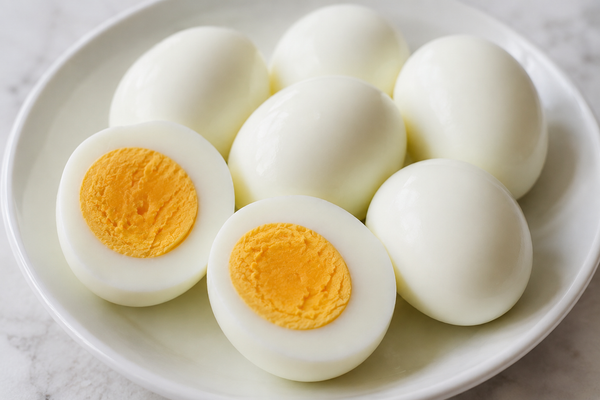
Folate is found in green leafy vegetables, legumes, citrus fruits and eggs 🥚🍊. It supplies the methyl group needed to recycle homocysteine, and folate deficiency is the most important nutritional cause of high homocysteine (27).
⚠️ Folate deficiency can result from eating too few vegetables, alcohol, poor absorption or genetic variations.
⭐ Folic acid (the form in supplements and fortified foods) lowers homocysteine more effectively than food folate, because it is better absorbed (32).
⭐ A review of 25 trials found that about 0.8 mg of folic acid a day gives the biggest drop in homocysteine; 0.2 mg gives about 60% and 0.4 mg about 90% of that maximum effect. Adding vitamin B12 lowered it by a further 7% (34).
⭐ In a year-long trial in older adults with mildly raised homocysteine, 0.8 mg of folic acid a day lowered homocysteine by 24% (110).
🧬 Who needs to pay extra attention? People who drink alcohol 🍷 and people with the MTHFR 677 TT variant (28–30).
🩸 Does lowering homocysteine improve blood clotting?
Several trials tested whether B vitamins that lower homocysteine also improve blood-clotting and blood-vessel markers. The results are mostly disappointing:
⭐ In smokers, 5 mg of folic acid a day lowered homocysteine (from 10.8 to 8.2 µmol/L) and also lowered clotting markers, but the two changes weren't connected, suggesting folic acid may act through other routes (109).
⭐ In older adults, lowering homocysteine with folic acid for a year did not change clotting, blood-vessel function or inflammation markers (110).
⭐ In healthy adults, a B-vitamin combination lowered homocysteine by 28% but did not reduce clotting activation (111).
⭐ In people who had recently had a heart attack, four weeks of B vitamins didn't improve blood-vessel or clot-dissolving function (112).
⭐ In a large Norwegian trial of about 1,950 people with coronary artery disease, nearly four years of B vitamins lowered homocysteine but did not change how blood clots formed or dissolved (113).
🔹 In people with suspected angina, B vitamins seemed to cancel out the higher death risk linked to a type of blood-pressure medicine (calcium channel blockers) that also raised homocysteine (114).
🐭 In rabbits, a diet very low in folate and slightly low in choline raised homocysteine and made blood clots harder to break down (115).
🍳 Riboflavin (vitamin B2)
Riboflavin (found in dairy, eggs, green vegetables and whole grains 🥛) helps the MTHFR enzyme work and activates vitamin B6 (7, 42).
🔹 In the general population, riboflavin has only a small effect on homocysteine (27, 43), but it matters much more for people with the MTHFR 677 TT variant (44, 45).
🩺 A blood pressure bonus: ⭐ in people with the MTHFR 677 TT variant, riboflavin supplements lowered blood pressure, in some cases more effectively than blood pressure medicine alone (106, 107).
🔹 In a South African study, people with H-type hypertension had lower riboflavin intakes than people with high blood pressure alone (108).
🎯 This makes riboflavin a good example of personalised nutrition based on genes.
🍌 Vitamin B6
Vitamin B6 (found in poultry, fish, bananas, potatoes and whole grains) is needed to break down homocysteine (46).
⭐ It has little effect on fasting levels (27), but it reduces the rise in homocysteine after protein-rich meals (49). Low doses lowered homocysteine in healthy older adults who already had enough folate and riboflavin (48).
🥩 Vitamin B12
Vitamin B12 works alongside folate to recycle homocysteine (7).
⚠️ Low B12 is most common in older adults, people with digestive or absorption problems and strict vegetarians and vegans, because B12 is found naturally only in animal foods 🌱 (47, 50).
⭐ In older adults who couldn't absorb B12 from food well, very low doses of oral B12 raised B12 levels within a month, but didn't clearly lower homocysteine over that short period (116).
🌾🥚 Betaine and choline
Choline (in eggs, liver, meat and soybeans) and betaine (in wheat bran, spinach and beetroot) provide methyl groups for a folate-independent recycling route (7, 61, 62). They become especially important when folate intake is low or alcohol intake is high (65).
⭐ 6 g of betaine a day lowered fasting homocysteine by up to 20%, and reduced the rise after a methionine-rich load by up to 50% (62).
⚠️ But: betaine and choline supplements may raise blood fats, so their overall effect on heart health is still unclear 🤔.
⬆️ What raises homocysteine?
🥩 Methionine (protein-rich foods)
A typical Western diet provides 1.6–2.8 g of methionine a day, more than the body needs, so the extra must be broken down, producing homocysteine (7, 53). With enough B vitamins, the body usually handles this efficiently.
⭐ Some studies found that methionine-rich meals briefly impaired blood-vessel function (59, 60), but in one trial, a large methionine dose raised homocysteine without harming blood-vessel function or platelets (117), so findings are mixed.
🔹 South African finding: after a methionine load, homocysteine rose less in black South Africans than in white South Africans, suggesting more efficient homocysteine metabolism (55).
🥤 Fructose
⭐ In adults with overweight or obesity, drinking fructose-sweetened beverages for 10 weeks tended to raise homocysteine, whereas glucose-sweetened drinks affected other metabolic pathways (118).
☕ Coffee and tea
⭐ Drinking coffee and tea can raise homocysteine by up to 20% (27). Randomised trials suggest the effect of coffee, especially unfiltered coffee, is real (74–76).
☕ Caffeine and chlorogenic acid (a plant compound in coffee and tea) may be responsible (75, 77). Tea contains less of both, so its effect is weaker. The effect is modest, much smaller than that of low B-vitamin intake.
🍷 Alcohol
⚠️ In heavy drinkers, homocysteine can be about twice as high as normal, because alcohol reduces absorption and use of folate, B6 and B12 and disrupts key enzymes (84, 85, 96, 99).
🤷 Findings for moderate drinking are mixed and may depend on overall diet quality (86–90). Beer may have a neutral effect, whereas wine and spirits tend to raise homocysteine (88, 90, 91).
🍷 Binge drinking raises heart disease risk (83), so "if you drink, drink sensibly" applies (82).
🧂 Salt and ⚠️ heavy metals
🐭 In guinea pigs, high salt intake for three days cut the activity of the betaine-recycling enzyme (BHMT) in the liver and kidneys by about 55%, which could reduce homocysteine recycling (129).
⭐ A review of 22 studies found that exposure to toxic heavy metals (lead, cadmium, mercury and chromium) was consistently linked to abnormal homocysteine, folate and B12 levels (130).
🔬 Other nutrients and supplements
☀️ Vitamin D: 🔹 in Chinese adults, homocysteine was lowest at vitamin D levels of about 24–28 ng/mL; both lower and higher levels were linked to higher homocysteine (119).
🥜 Vitamin E: ⭐ vitamin E supplements (up to 800 IU a day for four months) did not change homocysteine in older adults (120). 🔹 In a large Chinese study, low vitamin E was linked to high homocysteine in both sexes, and high vitamin E also in men (121).
💪 Creatine: results are mixed. 🔹 A small US study found that creatine lowered homocysteine (122), but ⭐ a larger trial in Bangladesh found no effect (123). 🔹 A case study suggested that people with the MTHFR 677 TT variant might respond better (124). 🐭 Creatine lowered homocysteine and cell damage in rats (125). Larger, gene-informed trials are needed.
🐟 Omega-3 fats: ⭐ fish-oil supplements improved some heart-health markers but did not lower homocysteine (126, 127). (A concern has since been raised about the reliability of one of these studies (127).)
🦠 Probiotics: ⭐ a review of randomised trials found that probiotic supplements lowered homocysteine and raised vitamin B12, without changing folate; more research is needed (128).
🏃 Lifestyle and medicines
🏃 Physical activity
⭐ A review of five trials found that exercise for more than four weeks did not clearly lower homocysteine overall (131).
⭐ A larger review found that a single bout of exercise briefly raises homocysteine, but regular resistance (strength) training may modestly lower resting levels over time (132). 🔹 Changes in creatine metabolism during exercise may also affect short-term homocysteine levels (133).
🔹 In older adults, physically active people had about 7% lower homocysteine than inactive people, regardless of their genes or B-vitamin levels (134).
🚭 Avoiding tobacco also helps keep homocysteine in check.
💊 Medicines and hormones
🔹 In women with polycystic ovary syndrome (PCOS), metformin raised homocysteine, whereas a contraceptive pill did not (135).
⭐ Hormone replacement therapy (HRT): two trials found no change in homocysteine (136, 137), whereas two others found that oestrogen-based therapy lowered it, in postmenopausal women and in older men (138, 139).
💬 If you take long-term medicines, ask your doctor or pharmacist whether they affect your B vitamins or homocysteine.
🧬 Genes and diet: a textbook example of personalised nutrition
The best-known gene–diet interaction involving homocysteine is the MTHFR 677 TT variant:
🧬 People with TT have an MTHFR enzyme that works about 30–70% less efficiently.
🥬 When folate intake is low, their homocysteine rises clearly, but when folate intake is adequate, it is usually normal (28, 29).
🍳 Low riboflavin makes the effect worse, and riboflavin supplements help (44, 45).
🍷 Alcohol amplifies the rise in homocysteine in people with the variant (28).
Other genes in the same pathways (such as MTR, MTRR, BHMT, TCN2 and PEMT) have been reported to interact with B12, betaine or choline intake, but the evidence for most of these is less consistent.
💡 Key message: your genes may increase how much of a nutrient you need, rather than seal your fate. Enough folate, B vitamins, choline and betaine can often offset genetic susceptibility.
🍽️ A practical guide for dietitians and the public
| 🥗 Factor | Effect on homocysteine | 💡 Advice |
|---|---|---|
| Folate / folic acid | ⬇️ Lowers | Meet your needs through diet, fortified foods or supplements |
| Vitamin B12 | ⬇️ Lowers | Meet your needs; older adults, vegetarians and vegans may need supplements |
| Vitamin B6 | ⬇️ Lowers (mainly after meals) | Meet your needs through diet |
| Riboflavin (B2) | ⬇️ Lowers (especially with MTHFR 677 TT) | Meet your needs; may also help blood pressure in people with TT |
| Betaine and choline | ⬇️ Lowers | Meet your needs through diet; monitor blood fats if supplementing |
| Methionine (protein) | ⬆️ Raises | Don't exceed recommended protein intake |
| Fructose-sweetened drinks | ⬆️ May raise | Limit sugary drinks |
| Coffee and tea | ⬆️ Raises | Avoid unfiltered coffee and very large amounts of coffee and tea |
| Alcohol | ⬆️ Raises (especially heavy drinking) | Drink sensibly, if at all |
| Physical activity | ⬇️ May lower (resistance training) | Stay active and include strength training |
Adapted and expanded from Table I of the 2014 review.
❓ Does lowering homocysteine prevent disease?
This remains the big unanswered question 🤔.
🔹 In people with heart disease and high homocysteine, long-term B-vitamin therapy was linked to lower death rates (40).
⭐ But in a large trial of women at high risk, folic acid with vitamins B6 and B12 lowered homocysteine without reducing heart disease events (41), and several trials found no improvement in blood-clotting markers (110–113).
📌 Update since 2014: a Cochrane review of randomised trials found that B-vitamin supplements that lower homocysteine did not prevent heart attacks or reduce deaths, although they may slightly reduce stroke risk; the evidence on stroke is uncertain (A1).
💡 Keeping homocysteine in a healthy range through good nutrition is still sensible, because the same B vitamins support many other body functions.
🎯 The bottom line
✅ Homocysteine is a useful marker of B-vitamin status and is linked to many diseases.
🥬 A diet with plenty of vegetables and fruit, legumes, whole grains, moderate protein and foods rich in choline and betaine helps keep homocysteine in check.
☕🍷 Moderating coffee, tea, sugary drinks and alcohol, staying physically active and avoiding tobacco also help.
🧬 People with the MTHFR 677 TT variant, older adults, vegetarians and vegans, heavy drinkers and pregnant women may need extra attention.
🤔 Lowering homocysteine hasn't been proven to prevent heart attacks, so the focus should be on an overall healthy lifestyle rather than high-dose supplements.
💭 Questions to ask yourself
🥬 Do I eat enough folate-rich foods, such as green leafy vegetables, legumes and fortified breads or cereals?
🌱 Am I an older adult, or do I follow a vegetarian or vegan diet? If so, am I getting enough vitamin B12?
🥛 Do I get enough riboflavin from dairy, eggs, green vegetables and whole grains, especially if I have high blood pressure?
☕🍷 How much coffee, tea, sugary drinks and alcohol do I have each day?
🏋️ Do I include strength training in my weekly activity?
🧬 Do I have a family history of heart disease, stroke or blood clots? Would it help to discuss my homocysteine and B-vitamin status with my doctor or dietitian?
💌 Love what you're reading? Share the knowledge! Forward this link to a friend who might also enjoy it. 📨
📚 References
Want to go deeper? Here are all the studies behind this summary. 🔍
- Castañon MM, Lauricella AM, Kordich L, Quintana I. Plasma homocysteine cutoff values for venous thrombosis. Clin Chem Lab Med. 2007;45(2):232-236.
- Humphrey LL, Fu R, Rogers K, et al. Homocysteine level and coronary heart disease incidence: a systematic review and meta-analysis. Mayo Clin Proc. 2008;83(11):1203-1212.
- Yang J, Hu X, Zhang Q, et al. Homocysteine level and risk of fracture: a meta-analysis and systematic review. Bone. 2012;51(3):376-382.
- Zintzaras E. Genetic variants of homocysteine/folate metabolism pathway and risk of inflammatory bowel disease: a synopsis and meta-analysis of genetic association studies. Biomarkers. 2010;15(1):69-79.
- Kohaar I, Kumar J, Thakur N, et al. Homocysteine levels are associated with cervical cancer independent of methylene tetrahydrofolate reductase gene (MTHFR) polymorphisms in Indian population. Biomarkers. 2010;15(1):61-68. 98 2014;27(3)
- Jacobsen DW. Practical chemistry of homocysteine and other thiols. In: Carmel R, Jacobsen DW, editors. Homocysteine in health and disease. Cambridge: Cambridge University Press, 2001; p. 9-20.
- Scott JM. Genetic variation of homocysteine metabolism and atherosclerosis. In: Bachmann C, Koletzko B, editors. Genetic expression and nutrition. Nestlé Nutrition Workshop Series, Pediatric Program, Vol 50 Nestec Ltd. Philadelphia: Vevey/Lippincott Williams and Wilkins, 2003; p. 1-24.
- Weir DG, Scott JM. Homocysteine as a risk factor for cardiovascular and related disease: nutritional implications. Nutr Res Rev. 1998;11(2):311-338.
- Mansoor MA, Svardal AM, Ueland PM. Determination of the in vivo redox status of cysteine, cysteinylglycine, homocysteine, and glutathione in human plasma. Anal Biochem. 1992;200(2):218-229.
- Devlin AM, Clarke R, Birks J, et al. Interactions among polymorphisms in folate-metabolizing genes and serum total homocysteine concentrations in a healthy elderly population. Am J Clin Nutr. 2006;83(3):708-713.
- Williams KT, Schalinske KL. New insights into the regulation of methyl group and homocysteine metabolism. J Nutr. 2007;137(2):311-314. 38 Stroes ES, van Faassen EE, Yo M, et al. Folic acid reverts dysfunction of endothelial nitric oxide synthase. Circ Res. 2000;86(11):1129-1134.
- Coppola A, Davi G, De Stefano V, et al. Homocysteine, coagulation, platelet function, and thrombosis. Semin Thromb Hemost. 2000;26(3):243-254.
- Guenther BD, Sheppard CA, Tran P, et al. The structure and properties of methylenetetrahydrofolate reductase from Escherichia coli suggest how folate ameliorates human hyperhomocysteinemia. Nat Struct Biol. 1999;6(4):359-365. 40 Mager A, Orvin K, Koren-Morag N, et al. Impact of homocysteine-lowering vitamin therapy on long-term outcome of patients with coronary artery disease. Am J Cardiol. 2009;104(6):745-749.
- Evans JC, Huddler DP, Jiracek J, et al. Betaine-homocysteine methyltransferase: zinc in a distorted barrel. Structure. 2002;10(9):1159-1171.
- Park EI, Garrow TA. Interaction between dietary methionine and methyl donor intake on rat liver betaine-homocysteine methyltransferase gene expression and organization of the human gene. J Biol Chem. 1999;274(12):7816-7824.
- Finkelstein JD. Regulation of homocysteine metabolism. In: Carmel R, Jacobsen DW, editors. Homocysteine in health and disease. Cambridge: Cambridge University Press, 2001; p. 92-99.
- Rosenblatt DS. Inherited disorders of folate transport and metabolism. In: Scriver CR, Beaudet AI, Sly WS, Valle D, editors. The metabolic basis of inherited disease. New York: McGraw-Hill, 1989; p. 2049-2064.
- Eikelboom JW, Lonn E, Genest J Jr, et al. Homocyst(e)ine and cardiovascular disease: a critical review of the epidemiologic evidence. Ann Intern Med. 1999;131(5):363-375.
- Malinow MR, Bostom AG, Krauss RM. Homocyst(e)ine, diet, and cardiovascular diseases: a statement for healthcare professionals from the Nutrition Committee, American Heart Association. Circulation. 1999;99(1):178-182.
- Hanson NQ, Eckfeldt JH, Schwichtenberg K, et al. Interlaboratory variation of plasma total homocysteine measurements: results of three successive homocysteine proficiency testing surveys. Clin Chem. 2002;48(9):1539-1545.
- Ubbink JB, Delport R, Riezler R, Vermaak WJ. Comparison of three different plasma homocysteine assays with gas chromatography-mass spectrometry. Clin Chem. 1999;45(5):670-675.
- Ubbink JB. Assay methods for the measurement of total homocyst(e)ine in plasma. Semin Thromb Hemost. 2000;26(3):233-241.
- Fuso A, Nicolia V, Cavallaro RA, et al. B-vitamin deprivation induces hyperhomocysteinemia and brain S-adenosylhomocysteine, depletes brain S-adenosylmethionine, and enhances PS1 and BACE expression and amyloid-beta deposition in mice. Mol Cell Neurosci. 2008;37(4):731-746.
- Clarke R, Armitage J. Vitamin supplements and cardiovascular risk: review of the randomized trials of homocysteine-lowering vitamin supplements. Semin Thromb Hemost. 2000;26(3):341-348.
- Bates CJ, Mansoor MA, van der Pols J, et al. Plasma total homocysteine in a representative sample of 972 British men and women aged 65 and over. Eur J Clin Nutr. 1997;51(10):691-697.
- Beccia M, Mele MC, Ferrari M, et al. Young stroke and basal plasma and post-methionine load homocysteine and cysteine levels 1 year after the acute event: do plasma folates make the difference? Eur J Neurol. 2004;11(4):269-275.
- Verhoef P, de Groot LC. Dietary determinants of plasma homocysteine concentrations. Semin Vasc Med. 2005;5(2):110-123.
- Chiuve SE, Giovannucci EL, Hankinson SE, et al. Alcohol intake and methylenetetrahydrofolate reductase polymorphism modify the relation of folate intake to plasma homocysteine. Am J Clin Nutr. 2005;82(1):155-162.
- Jacques PF, Bostom AG, Williams RR, et al. Relation between folate status, a common mutation in methylenetetrahydrofolate reductase, and plasma homocysteine concentrations. Circulation. 1996;93(1):7-9.
- Bailey LB. Folate, methyl-related nutrients, alcohol, and the MTHFR 677C→T polymorphism affect cancer risk: intake recommendations. J Nutr. 2003;133(11 Suppl 1):3748S-3753S.
- Verhaar MC, Stroes E, Rabelink TJ. Folates and cardiovascular disease. Arterioscler Thromb Vasc Biol. 2002;22(1):6-13.
- Winkels RM, Brouwer IA, Siebelink E, et al. Bioavailability of food folates is 80% of that of folic acid. Am J Clin Nutr. 2007;85(2):465-473.
- Anderson JL, Jensen KR, Carlquist JF, et al. Effect of folic acid fortification of food on homocysteine-related mortality. Am J Med. 2004;116(3):158-164.
- Homocysteine lowering trialists’ collaboration. Dose-dependent effects of folic acid on blood concentrations of homocysteine: a meta-analysis of the randomized trials. Am J Clin Nutr. 2005;82(4):806-812.
- Wilmink HW, Stroes ES, Erkelens WD, et al. Influence of folic acid on postprandial endothelial dysfunction. Arterioscler Thromb Vasc Biol. 2000;20(1):185-188.
- Usui M, Matsuoka H, Miyazaki H, et al. Endothelial dysfunction by acute hyperhomocyst(e) inaemia: restoration by folic acid. Clin Sci (Lond). 1999;96(3):235-239.
- Verhaar MC, Wever RM, Kastelein JJ, et al. 5-methyltetrahydrofolate, the active form of folic acid, restores endothelial function in familial hypercholesterolemia. Circulation. 1998;97(3):237-241.
- Stroes ES, van Faassen EE, Yo M, et al. Folic acid reverts dysfunction of endothelial nitric oxide synthase. Circ Res. 2000;86(11):1129-1134.
- Buemi M, Marino D, Di Pasquale G, et al. Effects of homocysteine on proliferation, necrosis and apoptosis of vascular smooth muscle cells in culture and influence of folic acid. Thromb Res. 2001;104(3):207-213.
- Mager A, Orvin K, Koren-Morag N, et al. Impact of homocysteine-lowering vitamin therapy on long-term outcome of patients with coronary artery disease. Am J Cardiol. 2009;104(6):745-749.
- Albert CM, Cook NR, Gaziano JM, et al. Effect of folic acid and B vitamins on risk of cardiovascular events and total mortality among women at high risk for cardiovascular disease: a randomized trial. JAMA. 2008;299(17):2027-2036.
- Powers HJ. Riboflavin (vitamin B-2) and health. Am J Clin Nutr. 2003;77(6):1352-1360.
- Jacques PF, Bostom AG, Wilson PW, et al. Determinants of plasma total homocysteine concentration in the Framingham Offspring cohort. Am J Clin Nutr. 2001;73(3):613-621.
- Hustad S, Ueland PM, Vollset SE, et al. Riboflavin as a determinant of plasma total homocysteine: effect modification by the methylenetetrahydrofolate reductase C677T polymorphism. Clin Chem. 2000;46(8 Pt 1):1065-1071.
- Moat SJ, Ashfield-Watt PA, Powers HJ, et al. Effect of riboflavin status on the homocysteinelowering effect of folate in relation to the MTHFR (C677T) genotype. Clin Chem. 2003;49(2):295-302.
- Finkelstein JD. Methionine metabolism in mammals. J Nutr Biochem. 1990;1(5):228-237.
- Lakshmi AV, Bamji MS. Regulation of blood pyridoxal phosphate in riboflavin deficiency in man. Nutr Metab. 1976;20(4):228-233.
- McKinley MC, McNulty H, McPartlin J, et al. Low-dose vitamin B-6 effectively lowers fasting plasma homocysteine in healthy elderly persons who are folate and riboflavin replete. Am J Clin Nutr. 2001;73(4):759-764.
- Bleie Ø, Refsum H, Ueland PM, et al. Changes in basal and postmethionine load concentrations of total homocysteine and cystathionine after B vitamin intervention. Am J Clin Nutr. 2004;80(3):641-648.
- Obersby D, Chappell DC, Dunnett A, Tsiami AA. Plasma total homocysteine status of vegetarians compared with omnivores: a systematic review and meta-analysis. Br J Nutr. 2013;109(5):785-794.
- Mudd SH, Levy HL, Abeles RH, Jennedy JP Jr. A derangement in B 12 metabolism leading to homocystinemia, cystathioninemia and methylmalonic aciduria. Biochem Biophys Res Commun. 1969;35(1):121-126.
- Snyder F, Cornatzer WE, Simonson GE. Comparative lipotropic and lipide phosphorylating effects of choline, betaine and inositol. Proc Soc Exp Biol Med. 1957;96(3):670-672.
- Shoob HD, Sargent RG, Thompson SJ, et al. Dietary methionine is involved in the etiology of neural tube defect-affected pregnancies in humans. J Nutr. 2001;131(10):2653-2658.
- Bostom AG, Jacques PF, Nadeau MR, et al. Post-methionine load hyperhomocysteinemia in persons with normal fasting total plasma homocysteine: initial results from the NHLBI Family Heart Study. Atherosclerosis. 1995;116(1):147-151.
- Ubbink JB, Vermaak WJ, Delport R, et al. Effective homocysteine metabolism may protect South African blacks against coronary heart disease. Am J Clin Nutr. 1995;62(4):802-808.
- Simporè J, Pignatelli S, Meli C, et al. Nutritional and racial determinants of the increase in plasma homocysteine levels after methionine loading. Curr Ther Res. 2002:63(7):459-474.
- Den Heijer M, Graafsma S, Lee SY, et al. Homocysteine levels--before and after methionine loading: in 51 Dutch families. Eur J Hum Genet. 2005;13(6):753-762.
- Domagala TB, Undas A, Sydor WJ, Szczeklik A. Thrombin formation in platelet-rich plasma after oral methionine loading: preliminary report. Thromb Res. 2002;105(6):503-506.
- Bellamy MF, McDowell IF, Ramsey MW, et al. Hyperhomocysteinemia after an oral methionine load acutely impairs endothelial function in healthy adults. Circulation. 1998;98(18):1848-1852.
- Chambers JC, McGregor A, Jean-Marie J, et al. Demonstration of rapid onset vascular endothelial dysfunction after hyperhomocysteinemia: an effect reversible with vitamin C therapy. Circulation. 1999;99(9):1156-1160.
- Cho E, Zeisel SH, Jacques P, et al. Dietary choline and betaine assessed by food-frequency questionnaire in relation to plasma total homocysteine concentration in the Framingham Offspring Study. Am J Clin Nutr. 2006;83(4):905-911.
- Olthof MR, Verhoef P. Effects of betaine intake on plasma homocysteine concentrations and consequences for health. Curr Drug Metab. 2005;6(1):15-22.
- Zeisel SH. Gene response elements, genetic polymorphisms and epigenetics influence the human dietary requirement for choline. IUBMB Life. 2007;59 (6):380-387.
- Barak AJ, Beckenhauer HC, Mailliard ME, et al. Betaine lowers elevated s-adenosylhomocysteine levels in hepatocytes from ethanol-fed rats. J Nutr. 2003;133(9):2845-2848.
- Chiuve SE, Giovannucci EL, Hankinson SE, et al. The association between betaine and choline intakes and the plasma concentrations of homocysteine in women. Am J Clin Nutr. 2007;86(4):1073-1081.
- Schwahn BC, Laryea MD, Chen Z, et al. Betaine rescue of an animal model with methylenetetrahydrofolate reductase deficiency. Biochem J. 2004;382(Pt 3):831-840.
- De Bree A, Verschuren WM, et al. Lifestyle factors and plasma homocysteine concentrations in a general population sample. Am J Epidemiol. 2001;154(2):150-154.
- Husemoen LL, Thomsen TF, Fenger M, Jørgensen T. Effect of lifestyle factors on plasma total homocysteine concentrations in relation to MTHFR(C677T) genotype. Inter99 (7). Eur J Clin Nutr. 2004;58(8):1142-1150.
- Nygård O, Refsum H, Ueland PM, et al. Coffee consumption and plasma total homocysteine: the Hordaland Homocysteine Study. Am J Clin Nutr. 1997;65(1):136-143.
- Stolzenberg-Solomon RZ, Miller ER 3rd, Maguire MG, et al. Association of dietary protein intake and coffee consumption with serum homocysteine concentrations in an older population. Am J Clin Nutr. 1999;69(3):467-475.
- Nieto FJ, Comstock GW, Chambless LE, Malinow RM. Coffee consumption and plasma homocyst(e)ine: results from the Atherosclerosis Risk in Communities Study. Am J Clin Nutr. 1997;66(6):1475-1477.
- Rasmussen LB, Ovesen L, Bülow I, et al. Folate intake, lifestyle factors, and homocysteine concentrations in younger and older women. Am J Clin Nutr. 2000;72(5):1156-1163.
- Saw SM, Yuan JM, Ong CN, et al. Genetic, dietary, and other lifestyle determinants of plasma homocysteine concentrations in middle-aged and older Chinese men and women in Singapore. Am J Clin Nutr. 2001;73(2):232-239.
- Christensen B, Mosdol A, Retterstol L, et al. Abstention from filtered coffee reduces the concentrations of plasma homocysteine and serum cholesterol: a randomized controlled trial. Am J Clin Nutr. 2001;74(3):302-307.
- Grubben MJ, Boers GH, Blom HJ, et al. Unfiltered coffee increases plasma homocysteine concentrations in healthy volunteers: a randomized trial. Am J Clin Nutr. 2000;71(2):480-484.
- Urgert R, van Vliet T, Zock PL, Katan MB. Heavy coffee consumption and plasma homocysteine: a randomized controlled trial in healthy volunteers. Am J Clin Nutr. 2000;72(5):1107-1110.
- Olthof MR, Hollman PC, Zock PL, Katan MB. Consumption of high doses of chlorogenic acid, present in coffee, or of black tea increases plasma total homocysteine concentrations in humans. Am J Clin Nutr. 2001;73(3):532-538.
- Vollset SE, Nygârd O, Refsum H, Ueland PM. Coffee and homocysteine. Am J Clin Nutr. 2000;71(2):403-404.
- Renaud S, de Lorgeril M. Wine, alcohol, platelets, and the French paradox for coronary heart disease. Lancet. 1992;339(8808):1523-1526.
- Corrao G, Bagnardi V, Zambon A, La Vecchia C. A meta-analysis of alcohol consumption and the risk of 15 diseases. Prev Med. 2004;38(5):613-619.
- Yuan JM, Ross RK, Gao YT, et al. Follow up study of moderate alcohol intake and mortality among middle aged men in Shanghai, China. BMJ. 1997;314(7073):18-23.
- Van Heerden IV, Parry CDH. If you drink alcohol, drink sensibly. South Afr J Clin Nutr. 2001;14(3):S71-S77.
- Bagnardi V, Zatonski W, Scotti L, et al. Does drinking pattern modify the effect of alcohol on the risk of coronary heart disease? Evidence from a meta-analysis. J Epidemiol Community Health. 2008;62(7):615-619.
- Carmel R, James SJ. Alcohol abuse: an important cause of severe hyperhomocysteinemia. Nutr Rev. 2002;60 (7 Pt 1):215-221.
- Cravo ML, Glória LM, Selhub J, et al. Hyperhomocysteinemia in chronic alcoholism: correlation with folate, vitamin B-12, and vitamin B-6 status. Am J Clin Nutr. 1996;63 (2):220-224.
- Gudnason V, Stansbie D, Scott J, et al. C677T (thermolabile alanine/valine) polymorphism in methylenetetrahydrofolate reductase (MTHFR): its frequency and impact on plasma homocysteine concentration in different European populations. EARS group. Atherosclerosis. 1998;136(2):347-354.
- Lussier-Cacan S, Xhignesse M, Piolot A, et al. Plasma total homocysteine in healthy subjects: sex-specific relation with biological traits. Am J Clin Nutr. 1996;64(4):587-593.
- Mayer O Jr, Simon J, Rosolová H. A population study of the influence of beer consumption on folate and homocysteine concentrations. Eur J Clin Nutr. 2001;55(7):605-609.
- Vollset SE, Hygard O, Dvale G, et al. The Hordaland Homocysteine Study: Lifestyle and total plasma homocysteine in Western Norway. In: Graham I, Refsum H, Rosenberg IH, Ueland PM, editors. Homocysteine metabolism: from basic science to clinical medicine. Massachusetts: Kluwer Academic Publishers, 1997; p. 177-182.
- Bleich S, Bleich K, Kropp S, et al. Moderate alcohol consumption in social drinkers raises plasma homocysteine levels: a contradiction to the “French paradox”? Alcohol Alcohol. 2001;36(3):189-192.
- Van der Gaag MS, Ubbink JB, Sillanaukee P, et al. Effect of consumption of red wine, spirits, and beer on serum homocysteine. Lancet. 2000;355(9214):1522.
- Burger M, Mensink G, Brönstrup A, et al. Alcohol consumption and its relation to cardiovascular risk factors in Germany. Eur J Clin Nutr. 2004;58(4):605-614.
- Barak AJ, Beckenhauer HC, Hidiroglou N, et al. The relationship of ethanol feeding to the methyl folate trap. Alcohol. 1993;10(6):495-497.
- Hidiroglou N, Camilo ME, Beckenhauer HC, et al. Effect of chronic alcohol ingestion on hepatic folate distribution in the rat. Biochem Pharmacol. 1994;47(9):1561-1566.
- Shaw S, Jayatilleke E, Herbert V, Colman N. Cleavage of folates during ethanol metabolism. Role of acetaldehyde/xanthine oxidase-generated superoxide. Biochem J. 1989;257(1):277-280.
- Kenyon SH, Nicolaou A, Gibbons WA. The effect of ethanol and its metabolites upon methionine synthase activity in vitro. Alcohol. 1998;15(4):305-309.
- Finkelstein JD, Cello JP, Kyle WE. Ethanol-induced changes in methionine metabolism in rat liver. Biochem Biophys Res Commun. 1974;61(2):525-531.
- Halsted CH, Villanueva J, Chandler CJ, et al. Ethanol feeding of micropigs alters methionine metabolism and increases hepatocellular apoptosis and proliferation. Hepatology. 1996;23(3):497-505.
- Lumeng L, Ryan MP, Li TK. Validation of the diagnostic value of plasma pyridoxal 5’-phosphate measurements in vitamin B6 nutrition of the rat. J Nutr. 1978;108(4):545-553.
- Danishpajooh IO, Gudi T, Chen Y, et al. Nitric oxide inhibits methionine synthase activity in vivo and disrupts carbon flow through the folate pathway. J Biol Chem. 2001;276(29):27296-27303.
- Holmen M, Hvas AM, Arendt JF. Hyperhomocysteinemia and ischemic stroke: a potential dose-response association—a systematic review and meta-analysis. TH Open. 2021;5:e420-e437.
- Abu-Zaid A, Baradwan S, Alshahrani MS, et al. The role of maternal homocysteine concentration in pregnancy complications: a systematic review and meta-analysis. J Clin Med. 2026;15:3216.
- Lin RJ, Krall R, Westerberg BD, Chadha NK, Chau JK. Systematic review and meta-analysis of the risk factors for sudden sensorineural hearing loss in adults. Laryngoscope. 2012;122:624-635.
- Glueck CJ, Freiberg RA, Fontaine RN, Tracy T, Wang P. Hypofibrinolysis, thrombophilia, osteonecrosis. Clin Orthop Relat Res. 2001:19-33.
- Ulloque-Badaracco JR, Vergara-Peña JM, Sangster-Carrasco L, et al. Circulating levels of homocysteine, folate, and vitamin B12 in adults with and without schizophrenia: a systematic review and meta-analysis. Sage Open Chronic Disease. 2026;17:27558428261445159.
- McNulty H, Strain JJ, Hughes CF, Ward M. Riboflavin, MTHFR genotype and blood pressure: a personalized approach to prevention and treatment of hypertension. Mol Aspects Med. 2017;53:2-9.
- Wilson CP, McNulty H, Ward M, et al. Blood pressure in treated hypertensive individuals with the MTHFR 677TT genotype is responsive to intervention with riboflavin: findings of a targeted randomized trial. Hypertension. 2013;61:1302-1308.
- du Plessis JP, Lammertyn L, Schutte AE, Nienaber-Rousseau C. Homocysteine, blood pressure and gene–diet interactions in relation to vascular function measures of black South Africans. Genes Nutr. 2024;19:14.
- Mangoni AA, Arya R, Ford E, et al. Effects of folic acid supplementation on inflammatory and thrombogenic markers in chronic smokers. A randomised controlled trial. Thromb Res. 2003;110:13-17.
- Klerk M, Durga J, Schouten EG, Kluft C, Kok FJ, Verhoef P. No effect of folic acid supplementation in the course of 1 year on haemostasis markers and C-reactive protein in older adults. Thromb Haemost. 2005;94:96-100.
- Klerk M, Verhoef P, Verbruggen B, et al. Effect of homocysteine reduction by B-vitamin supplementation on markers of clotting activation. Thromb Haemost. 2002;88:230-235.
- Chia S, Wilson R, Ludlam CA, Webb DJ, Flapan AD, Newby DE. Endothelial dysfunction in patients with recent myocardial infarction and hyperhomocysteinaemia: effects of vitamin supplementation. Clin Sci (Lond). 2005;108:65-72.
- Sikora M, Skrzydlewski P, Perła-Kaján J, Jakubowski H. Homocysteine thiolactone contributes to the prognostic value of fibrin clot structure/function in coronary artery disease. PLoS One. 2022;17:e0275956.
- Dhar I, Svingen GF, Bjørnestad E, Ulvik A, Saeed S, Nygård OK. B-vitamin treatment modifies the mortality risk associated with calcium channel blockers in patients with suspected stable angina pectoris: a prospective cohort study. Am J Clin Nutr. 2023;118:77-84.
- Sauls DL, Arnold EK, Bell CW, Allen JC, Hoffman M. Pro-thrombotic and pro-oxidant effects of diet-induced hyperhomocysteinemia. Thromb Res. 2007;120:117-126.
- Blacher J, Czernichow S, Raphaël M, et al. Very low oral doses of vitamin B-12 increase serum concentrations in elderly subjects with food-bound vitamin B-12 malabsorption. J Nutr. 2007;137:373-378.
- Labinjoh C, Newby DE, Wilkinson IB, et al. Effects of acute methionine loading and vitamin C on endogenous fibrinolysis, endothelium-dependent vasomotion and platelet aggregation. Clin Sci (Lond). 2001;100:127-135.
- Guirette M, Haslam DE, Ma J, et al. Plasma metabolites after 10-weeks of glucose vs fructose-sweetened beverages in subjects with overweight/obesity. J Endocr Soc. 2026;10:bvag097.
- Yang J, Dai Q, Ke J, et al. Non-linear associations of plasma 25-hydroxyvitamin D with serum homocysteine and hyperhomocysteinemia in Chinese adults: a cross-sectional study. 2026.
- Meydani SN, Meydani M, Blumberg JB, et al. Assessment of the safety of supplementation with different amounts of vitamin E in healthy older adults. Am J Clin Nutr. 1998;68:311-318.
- You FF, Gao YN, He QQ, et al. Sex-specific association of plasma vitamin E with homocysteine levels in Chinese middle-aged and older men and women: evidence from four large population based studies. 2026.
- Korzun WJ. Oral creatine supplements lower plasma homocysteine concentrations in humans. Clin Lab Sci. 2004;17:102-106.
- Peters BA, Hall MN, Liu X, et al. Low-dose creatine supplementation lowers plasma guanidinoacetate, but not plasma homocysteine, in a double-blind, randomized, placebo-controlled trial. J Nutr. 2015;145:2245-2252.
- Petr M, Steffl M, Kohlíková E. Effect of the MTHFR 677C/T polymorphism on homocysteinemia in response to creatine supplementation: a case study. Physiol Res. 2013;62:721-729.
- Deminice R, Portari GV, Vannucchi H, Jordao AA. Effects of creatine supplementation on homocysteine levels and lipid peroxidation in rats. Br J Nutr. 2008;102:110-116.
- Grundt H, Nilsen DW, Hetland O, Mansoor MA, Aarsland T, Woie L. Atherothrombogenic risk modulation by n-3 fatty acids was not associated with changes in homocysteine in subjects with combined hyperlipidaemia. Thromb Haemost. 1999;81:561-565.
- Derosa G, Maffioli P, D'Angelo A, et al. Effects of long chain omega-3 fatty acids on metalloproteinases and their inhibitors in combined dyslipidemia patients. Expert Opin Pharmacother. 2009;10:1239-1247.
- Pan M, Ye C, Song Y, et al. Impact of probiotic supplementation on folate, vitamin B12, and homocysteine levels in humans: a systematic review and meta-analysis of randomized controlled trials. 2026.
- Delgado-Reyes CV. The effect of high salt intake on betaine-homocysteine S-methyltransferase expression in the guinea pig [PhD thesis]. University of Illinois at Urbana-Champaign; 2003.
- Ledda C, Cannizzaro E, Lovreglio P, et al. Exposure to toxic heavy metals can influence homocysteine metabolism? Antioxidants. 2020;9:30.
- Kelley G, Kelley K. Effects of exercise and physical activity on homocysteine in adults: a meta-analysis of randomized controlled trials. J Exerc Physiol Online. 2008;11.
- Deminice R, Ribeiro DF, Frajacomo FTT. The effects of acute exercise and exercise training on plasma homocysteine: a meta-analysis. PLoS One. 2016;11:e0151653.
- Sotgia S, Carru C, Caria MA, Tadolini B, Deiana L, Zinellu A. Acute variations in homocysteine levels are related to creatine changes induced by physical activity. Clin Nutr. 2007;26:444-449.
- Dankner R, Chetrit A, Ken Dror G, Sela BA. Physical activity is inversely associated with total homocysteine levels, independent of C677T MTHFR genotype and plasma B vitamins. AGE. 2007;29:219-227.
- Luque-Ramírez M, Mendieta-Azcona C, del Rey Sánchez JM, Matíes M, Escobar-Morreale HF. Effects of an antiandrogenic oral contraceptive pill compared with metformin on blood coagulation tests and endothelial function in women with the polycystic ovary syndrome: influence of obesity and smoking. Eur J Endocrinol. 2009;160:469-480.
- Park JS, Jung HH, Yang WS, Kim SB, Min WK, Chi HS. Effects of hormonal replacement therapy on lipid and haemostatic factors in post-menopausal ESRD patients. Nephrol Dial Transplant. 2000;15:1835-1840.
- Hemelaar M, Kenemans P, Hack CE, Klipping C, van der Mooren MJ. Hemostatic markers in healthy postmenopausal women during intranasal and oral hormone therapy: a randomized trial. Menopause. 2008;15:248-255.
- Cagnacci A, Generali M, Pirillo D, Baldassari F, Volpe A. Effects of low- or high-dose hormone therapy on fasting and post-methionine homocysteine levels in postmenopausal women. Climacteric. 2006;9:388-395.
- Giri S, Thompson PD, Taxel P, et al. Oral estrogen improves serum lipids, homocysteine and fibrinolysis in elderly men. Atherosclerosis. 1998;137:359-366.
Additional reference
A1. Martí-Carvajal AJ, Solà I, Lathyris D, Dayer M. Homocysteine-lowering interventions for preventing cardiovascular events. Cochrane Database Syst Rev. 2017;8:CD006612. doi:10.1002/14651858.CD006612.pub5