💊 Weight-Loss Medicines : What's available, how well do they work, and what are the risks? ⚖️💉
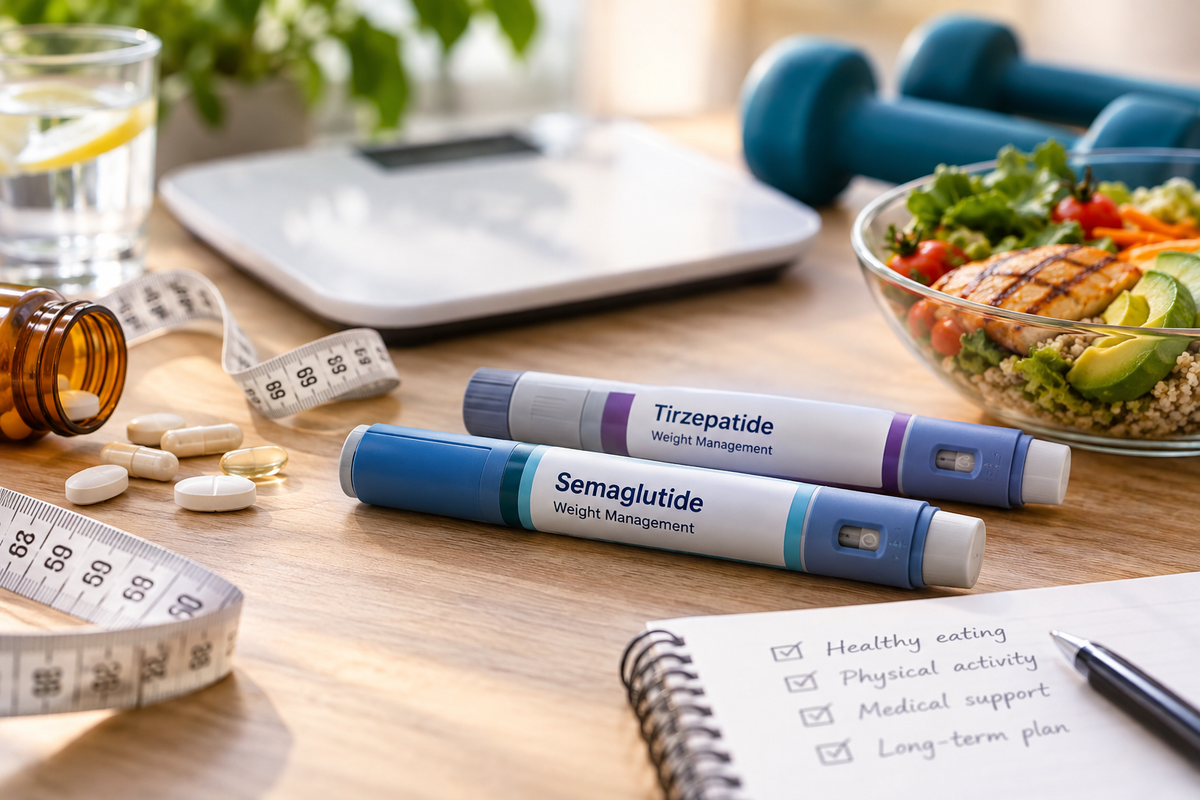
How effective are modern weight-loss medicines such as semaglutide and tirzepatide, and what are the risks? This plain-language summary reviews the evidence on benefits, side effects and weight regain after stopping treatment, and explains why preserving muscle and bone is essential.

This work is licensed under a Creative Commons Attribution-NonCommercial-NoDerivatives 4.0 International License.
How strong is the evidence? ⭐ = a summary of many studies (systematic review or meta-analysis); 🔹 = a single study; 🐭 = animal or laboratory research only.
⚡ The short version
✅ Today's weight-loss medicines work but is not risk free. The newer injections, such as semaglutide (Wegovy®) and tirzepatide (Zepbound®, Mounjaro®), lead to average weight losses of roughly 15–20% in trials, far more than older medicines (1, 2).
🥗 They are not a replacement for healthy eating and activity. Medicines work best alongside nutrition, physical activity and behavioural support, and guidelines recommend always combining them (3).
🔁 Think long term before you start. About half of people stop GLP-1 medicines within the first year (4), and about 60% of the weight lost returns within a year of stopping (5). Part of the weight lost is muscle and bone density can fall too, so losing and then regaining weight may leave some people, especially older adults, weaker than before with less metabolically active muscle. Protein and strength training are essential (6, 7).
❤️ Benefits go beyond the scale: in large trials, semaglutide and tirzepatide improved blood sugar, blood pressure and blood fats, reduced heart attacks and strokes in high-risk people, and protected the kidneys (8–10).
🤢 Side effects are common, mainly nausea, vomiting, diarrhoea and constipation. Rarer concerns include muscle and bone loss, a possible small risk of an eye condition called NAION, and problems with anaesthesia because food stays in the stomach longer (6, 7, 11, 12).
🚫 These medicines are not for everyone, should never be used during pregnancy, and should only be used under medical supervision. Illegal "research-grade" and copycat products are a real danger (13, 14).
🧬 For rare genetic forms of obesity, targeted medicines such as setmelanotide and leptin replacement can correct the underlying cause.
🧐 Why weight-loss medicines matter
Obesity is now widely recognised as a chronic disease with many causes: genes, hormones, metabolism and the environment we live in. The American Medical Association called it a disease in 2013, although some researchers argue that this framing puts too much focus on individuals and too little on prevention (15). Since then and especially since semaglutide was approved for weight loss in 2021, the use of weight-loss medicines has grown quickly (16).
😓 Why is losing weight with diet alone so hard? When you lose weight, your body fights back: you burn less energy than expected (17) and your hunger hormones shift in ways that make you hungrier, changes that can last for years (18). That's one reason many people regain weight.
🏥 Surgery is still the most effective treatment, but it is invasive, has lifelong nutritional effects and doesn't suit everyone (19). Interestingly, the new medicines haven't reduced the number of people choosing surgery (16).
🌍 Medicines can't fix the environment. They treat individuals but don't change the food systems, cities and social and economic inequalities that drive obesity, so prevention still matters (20).
👥 Who are these medicines for?
Weight-loss medicines are usually considered for adults with:
- a BMI of 30 or more (obesity), or
- a BMI of 27 or more plus a weight-related condition such as high blood pressure or type 2 diabetes,
and only when there are no medical reasons not to use them. Some are approved for teenagers under strict criteria.
🎯 Medicines are not the first step. They are added when lifestyle changes alone haven't been enough, and they work best, and help prevent weight regain, when healthy habits continue (3, 21).
💊 Pills or injections? 🔹 In a survey of 351 adults, most preferred a once-daily pill over a once-weekly injection; how a medicine is taken mattered more to them than anything else (22).
🗂️ The main types of weight-loss medicines
| Type | Examples | How it works | Good to know |
|---|---|---|---|
| Appetite suppressants | Phentermine, diethylpropion | Act on the brain to reduce hunger | Short-term use only; can raise heart rate and blood pressure; risk of dependence |
| Fat blocker | Orlistat (Xenical®, Alli®) | Stops about a quarter to a third of the fat you eat from being absorbed | Modest weight loss; oily stools if you eat too much fat |
| Combination pills | Phentermine + topiramate (Qsymia®); bupropion + naltrexone (Contrave®) | Reduce hunger and food cravings through different brain pathways | Long-term use; several important "do not use" conditions |
| GLP-1 medicines | Liraglutide (Saxenda®), semaglutide (Wegovy®) | Copy a natural gut hormone that makes you feel full and slows stomach emptying | Injections; most people lose a lot of weight |
| Dual "twincretin" | Tirzepatide (Zepbound®, Mounjaro®) | Copies two gut hormones (GLP-1 and GIP) | Currently gives the greatest average weight loss of approved medicines |
| Precision medicines | Setmelanotide, metreleptin | Correct specific genetic faults | Only for rare genetic forms of obesity |
🧠 Appetite suppressants: older, short-term options
Medicines such as phentermine act on the brain's "fight-or-flight" chemical noradrenaline to reduce hunger and help you feel full sooner. They can produce meaningful weight loss, but:
- ⚠️ they can raise heart rate and blood pressure and cause sleeplessness, anxiety, dry mouth, nausea and constipation
- ⚠️ some carry a risk of misuse and dependence
- 📅 most are approved for short-term use only, and weight often returns when they're stopped unless habits have changed
🍽️ Because you may eat much less, it's important to keep meals balanced and nutrient-dense, drink enough water and eat enough fibre.
🫘 "Natural carb blockers": promising but unproven
Some plant extracts slow the digestion of starch, similar to the diabetes medicine acarbose. The best known is white kidney bean extract (Phaseolus vulgaris).
- ⭐ One review found no clear effect on body weight (23), while ⭐ a later one found a small benefit: about 1 kg more weight loss than with a placebo (24)
- Studies differ a lot in design and dose, and long-term safety data are lacking (25)
🎯 Takeaway: interesting, but not yet a reliable weight-loss tool.
🧈 Orlistat: the fat blocker
Orlistat (Xenical® on prescription, Alli® over the counter) blocks the enzymes that digest fat, so about 25–30% of the fat in a meal passes through unabsorbed (26).
- ⭐ It leads to modest weight loss and may improve triglycerides and waist size, but it also lowers HDL ("good") cholesterol (27)
- 🔹 In a two-year trial, it helped people lose weight and regain less (28)
- 💩 Side effects depend on how much fat you eat: oily spotting, urgent or frequent bowel movements and wind are common (28). Keeping fat to about 15 g per meal, spread through the day, helps
- 💊 It also reduces absorption of vitamins A, D, E and K, so a daily multivitamin taken at least two hours before or after orlistat is advised
🎯 Expect about 5–10% weight loss over a year when orlistat is combined with a reduced-energy diet and regular activity.
💉 GLP-1 medicines and tirzepatide
GLP-1 is a hormone your gut releases after eating. GLP-1 medicines copy it: they slow stomach emptying, make you feel full sooner, reduce appetite and help the body control blood sugar. They were first developed for type 2 diabetes, and people's weight loss was noticed as a "side effect". Higher doses of liraglutide (Saxenda®) and semaglutide (Wegovy®) are now approved for weight loss, and tirzepatide (Zepbound®), which copies two gut hormones (GLP-1 and GIP), is approved too.
🇿🇦 Growing interest in South Africa: a recent survey found that about 13% of South Africans are using or considering GLP-1 weight-loss medicines, although 63% had never heard of them (29).
🏋️ How well do they work?
| Study | Key finding |
|---|---|
| ⭐ Ciudin et al. (1) | In people without diabetes, tirzepatide led to the most weight loss, followed by semaglutide and then liraglutide |
| ⭐ Hamarsheh et al. (2) | Across 25 trials, tirzepatide 15 mg (about −18%) and CagriSema (about −18%) gave the biggest weight losses |
| ⭐ Kamrul-Hasan et al. (30) | Oral GLP-1 medicines (high-dose oral semaglutide and the investigational pill orforglipron) led to about 12% weight loss |
| ⭐ Ko et al. (31) | Across 33 trials, about 1 in 3 people on semaglutide didn't reach 5% weight loss, especially those with type 2 diabetes |
| ⭐ Alexander et al. (32) | Results were similar regardless of age, starting BMI or ethnicity; women lost slightly more than men |
⚠️ Not everyone responds equally. 🔹 A genetic study of nearly 28,000 users found that small differences in the genes for the GLP-1 and GIP receptors were linked to how much weight people lost and how likely they were to feel sick (33).
💪 What kind of weight is lost?
⭐ GLP-1 medicines mainly reduce fat (about 3.4 kg more than control), but also cause some loss of lean mass, which is mostly muscle and water (about 0.8 kg) (6). 🔹 In one large trial, up to about 40% of the weight lost was lean mass (34). 🔹 Bone density at the hip and spine also fell when the medicine was used without exercise (7). 🔹 A small study in humans and mice found muscle strength was largely preserved (35). 🔹 In a 24-week study, liraglutide and a calorie-restricted diet similarly reduced liver fat, belly fat and fat in the pancreas (36).
🥩 Takeaway: eat enough protein and do resistance (strength) exercise to protect your muscles while on these medicines.
🌱 Newer and upcoming medicines
- 🔹 CagriSema (semaglutide plus cagrilintide, an amylin-like hormone): about 20% weight loss over 68 weeks in a large trial, but side effects were very common (37)
- 🔹 Retatrutide ("triple G"), which copies three hormones, produced large weight losses in a phase 2 trial but is not yet approved anywhere (38)
- 💊 Orforglipron is a GLP-1 pill that can be taken with or without food and doesn't need refrigeration; in trials it led to about 12% weight loss (30)
- Ecnoglutide was approved in China in 2026 for diabetes and weight management (39)
- 🐭 Researchers are developing medicines that avoid the GLP-1 receptor altogether, which could mean less nausea; so far these have only been tested in mice and rats (Perez-Tilve et al., 2026)
❤️ Benefits beyond weight loss
🫀 Heart, blood sugar and kidneys
- ⭐ Semaglutide and tirzepatide reduce heart attacks, strokes and heart-related deaths in people at high risk, and improve blood sugar, blood pressure and liver fat (8, 9)
- ⭐ In people without obesity, GLP-1 medicines still lowered major heart events by about 19% (40)
- 🔹 In people with obesity and prediabetes, about 90% on tirzepatide returned to normal blood sugar, compared with 76% on semaglutide (41)
- 🔹 Oral semaglutide lowered heart-failure events in people with diabetes who already had heart failure, but not in those without it (42)
- 🔹 Combining data from three large trials (more than 30,000 people), semaglutide lowered the risk of serious kidney problems by 16–20% (10)
🌙 Other conditions
- 😴 Sleep apnoea: tirzepatide reduced sleep apnoea severity, with up to half of people going into remission, although CPAP machines remain more effective (43)
- 🩺 PCOS: liraglutide shows promise for weight, belly fat, blood sugar and possibly fertility, but more research is needed (44)
- 🍽️ Binge eating: ⭐ GLP-1 medicines modestly reduced binge eating and emotional eating, especially in people with binge eating disorder (45)
- 🙂 Quality of life: ⭐ semaglutide improved physical functioning and weight-related quality of life, but only modestly (46)
- 🏥 After weight-loss surgery: 🔹 in people who lost too little weight after bariatric surgery, semaglutide led to about 19% more weight loss than placebo (47)
- 👧 Children and teens: ⭐ GLP-1 medicines reduced BMI, waist size and blood sugar, with more stomach side effects (48). ⭐ A large review of 42 trials found that medicine combined with lifestyle treatment works far better than either on its own (49)
- 🎗️ Breast cancer: 🔹 women with breast cancer and obesity or diabetes who used GLP-1 medicines had better survival and less recurrence, but this type of study can't prove cause and effect (50)
🛒 Changes in behaviour
🔹 People who started GLP-1 medicines shifted their shopping towards foods with less sugar, saturated fat and ultra-processed ingredients, and more protein (51). GLP-1 medicines also act on the brain's reward system, which may reduce alcohol use, gambling and impulsive behaviour (52). 🔹 In people with depression, oral semaglutide improved motivation (53).
🤢 Side effects and safety concerns
Common side effects
🤢 Stomach problems are by far the most common: nausea, vomiting, diarrhoea and constipation (54). 🔹 In over 410,000 Reddit posts, 43.5% of semaglutide and tirzepatide users mentioned side effects, mostly nausea, tiredness and vomiting (55). Other possible effects include tiredness, dehydration and gallstones (more likely with rapid weight loss).
Less common but important
| Concern | What the evidence shows |
|---|---|
| 😷 Surgery and anaesthesia | Food stays in the stomach longer, raising the risk of breathing in stomach contents under anaesthesia. 🔹 Continuing these medicines before an endoscopy left more food in the stomach (12). Always tell your surgical team |
| 👁️ Eye "stroke" (NAION) | ⭐ Semaglutide was linked to about double the risk in people with diabetes, but the absolute risk is very low (about 1 extra case per 7,000 people per year) (11) |
| 🦴 Bones | 🔹 One study linked GLP-1 medicines to an 11% higher fracture risk in older adults (56), while others found a lower risk (57, 58). 🔹 Combining the medicine with exercise protected bone density (7) |
| 💇 Hair loss | 🔹 Slightly higher risk than with other diabetes medicines, but the absolute risk is low (59) |
| 👃 Smell and taste | 🔹 Higher risk of changes in smell and taste (60) |
| 😊 Face changes | Rapid weight loss can lead to facial volume loss, sagging skin and wrinkles (61) |
| 🦷 Mouth | Dry mouth, bad breath and, with frequent vomiting, tooth erosion (62) |
| ❤️🔥 Sex drive | Human evidence is mixed; there's not enough evidence to say these medicines impair sexual function (63) |
| 🎗️ Cancer | Current evidence does not show an overall increase in cancer risk; monitoring continues for thyroid and pancreas effects (54) |
🤰 Pregnancy
🚫 Do not use these medicines during pregnancy. Animal studies raised concerns about fetal growth, although human data so far haven't shown a clear increase in birth defects (64). 🔹 Stopping well before pregnancy appears safest: women who stopped close to conception had a 53% higher risk of gestational diabetes (65).
🔁 What happens when you stop?
⚠️ The warning in short: stopping is common, most of the weight tends to come back, and part of what was lost was muscle (and some bone density). It is not yet clear whether the regained weight is mainly fat: early evidence suggests it comes back in roughly the same mix of fat and lean tissue as it was lost (66), and on average people keep about a quarter of their weight loss (5). But for older adults and people with low muscle mass or weak bones, a cycle of losing and regaining weight could still leave them weaker and frailer than before. Protect yourself by eating enough protein, doing strength training throughout treatment, and planning with your doctor, before you start, what will happen if you stop.
- 🔹 In Denmark, about half of people stopped semaglutide within a year, more often younger people, men and those in lower-income areas (4)
- ⭐ After stopping, about 60% of the lost weight returns within a year and about 75% in the long run (5)
- 🔹 A computer model showed weight loss naturally plateaus after about two years on treatment, as appetite gradually catches up (67)
- 🔹 Within a year of stopping, about 1 in 5 people restarted their original medicine and about a third tried another treatment (68)
- 🔹 A small study suggested that taking doses less often after reaching a plateau may help maintain weight loss (69)
- 🏃 Exercise is underused but important for keeping weight off and protecting muscle (70)
🌿 Off-label, herbal and traditional products
💊 Off-label medicines: some medicines approved for other conditions, such as metformin (diabetes), topiramate (epilepsy) and bupropion (depression and smoking), are sometimes prescribed for weight loss. Their effects are usually modest and they need careful monitoring.
🌱 Herbal products such as green tea extract, Garcinia cambogia and bitter orange are often marketed as "natural" alternatives, but:
- ⚠️ most have only small effects at best
- ⚠️ some are risky: bitter orange has been linked to heart problems, and ephedra was banned in many countries after heart attacks, strokes and deaths
- ⚠️ high-dose green tea extract may harm the liver
🔹 A traditional Unani herbal remedy (Safoof-e-Muhazzil) performed similarly to orlistat in one study (71), but larger, well-designed trials are needed.
⚰️ Lessons from history: medicines that were withdrawn
Several weight-loss medicines were removed from the market because of serious harm:
- Fen-Phen (fenfluramine/dexfenfluramine): heart-valve damage and high blood pressure in the lungs
- Sibutramine: 🔹 a large trial showed more heart attacks and strokes in people with heart disease (72)
- Rimonabant: depression and suicidal thoughts
- Lorcaserin: increased cancer risk
- Ephedra: heart attacks, strokes and deaths
- 🪱 Early 20th century: "tapeworm diet" pills caused serious infections and even death
🎯 The lesson: long-term safety monitoring matters, even for medicines that seem to work well at first.
🧬 Precision medicine for rare genetic obesity
A small number of people have obesity caused by a single faulty gene that disrupts the brain's hunger-control system. They often have extreme hunger and rapid weight gain from early childhood.
- 💉 Leptin replacement (metreleptin) helps people born without the hormone leptin: it restores the feeling of fullness and leads to large weight loss
- 💉 Setmelanotide helps people with faults in the "POMC–MC4R" hunger pathway, reducing hunger and leading to more than 10% weight loss in many patients
- 🐭 In mice lacking MC4R, semaglutide, tirzepatide and retatrutide still led to large weight losses (73)
🧪 Takeaway: genetic testing is important for people with severe obesity that starts early in childhood.
⚠️ Fake, compounded and black-market products
- 🚨 In South Africa, a black market is selling unapproved medicines such as retatrutide, often labelled "research grade", through gyms and social media. They may be contaminated, mis-dosed or not sterile. SAHPRA advises anyone who bought them to stop using them and report the seller (14)
- 🧪 Compounded "copycat" tirzepatide mixed with vitamin B12 may contain impurities and have unreliable strength (74)
- 💻 Buying through online telehealth platforms has led to dosing errors, overdoses and poor follow-up (13, 75)
💰 Cost and access
These medicines are expensive, and access depends heavily on medical-aid or insurance cover. 🔹 In the US, employer health plans that covered GLP-1s saw much bigger increases in use than plans that didn't (76).
🥦 Can food boost your own GLP-1?
Your gut naturally makes GLP-1, and some habits may modestly increase it:
- 🌾 Fibre-rich foods (oats, legumes, whole grains) feed gut bacteria that make compounds that trigger GLP-1 release (77, 78)
- 🥚 Protein (eggs, dairy, legumes) promotes GLP-1 release and fullness (79, 80)
- 🏃 Physical activity may increase gut hormones that reduce appetite (81)
⚠️ These effects are much smaller than those of medicines, but they support appetite control and overall health.
🥗 If you use a weight-loss medicine, do it well
- 🥩 Eat enough protein and include strength training to protect muscle and bone (6, 7)
- 🍽️ Don't skip meals: smaller, more frequent, nutrient-dense meals are often better tolerated
- 💧 Drink enough water and eat enough fibre to manage constipation
- 🧪 Ask about checking iron, calcium, vitamin B12 and other vitamins, especially during long-term use
- 🩺 Tell your doctor, surgeon and dentist that you're using the medicine
- 🏪 Only use registered products from a pharmacy with a prescription, never "research-grade" or unregistered products
- 🔁 Plan for the long term: discuss with your doctor what happens if you stop, and keep up healthy habits
🚫 Who should not use these medicines?
| Who | Which medicine | Why |
|---|---|---|
| Pregnant women or those trying to conceive | ❌ All weight-loss medicines | Possible harm to the baby; topiramate (in Qsymia®) can cause birth defects (64) |
| People with heart disease, uncontrolled high blood pressure or an overactive thyroid | ❌ Appetite suppressants such as phentermine | Can raise heart rate and blood pressure |
| People with a history of substance misuse | ❌ Stimulant appetite suppressants | Risk of dependence |
| People with seizures, uncontrolled high blood pressure, an eating disorder or using opioids | ❌ Bupropion + naltrexone (Contrave®) | Risk of seizures and interactions |
| People with chronic malabsorption or bile-flow problems | ❌ Orlistat | May worsen the condition and nutrient losses |
| People taking warfarin or ciclosporin | ⚠️ Orlistat only with supervision | Medicine interactions |
| People with a personal or family history of medullary thyroid cancer or MEN2 | ❌ GLP-1 medicines and tirzepatide | Thyroid tumour concerns from animal studies (3) |
| People with a history of pancreatitis | ⚠️ Discuss with your doctor first | Concerns about pancreatitis have largely not been confirmed, but careful monitoring is still advised (54) |
| People scheduled for surgery or endoscopy | ⚠️ Inform your medical team | Medicine may need to be paused (12) |
| Older adults with frailty or weak bones | ⚠️ Caution | Risk of muscle and bone loss (7, 56) |
| Children and teens | ⚠️ Only under specialist care | Limited long-term evidence (48, 49) |
🩺 Always talk to your doctor and a registered dietitian before starting, changing or stopping any weight-loss medicine.
🎯 The bottom line
✅ Modern weight-loss medicines, especially semaglutide and tirzepatide, are genuinely effective and bring benefits for the heart, blood sugar and kidneys.
🥗 They work best together with healthy eating, physical activity and behavioural support, never instead of them (3).
🔁 Stopping is common and weight tends to return, and muscle and bone lost during treatment don't rebuild by themselves, so plan for the long term, protect your muscles and bones, and consider cost and access before you start.
🤢 Side effects are common but usually manageable; rarer risks need to be weighed up individually.
🚨 Avoid unregistered, compounded or black-market products.
🧬 For rare genetic obesity, targeted precision medicines can address the root cause.
🌍 Medicines treat individuals, but preventing obesity still requires healthier food environments and less inequality (20).
💭 Questions to ask yourself
⚖️ Have I given lifestyle changes a real try and do I meet the criteria for a weight-loss medicine?
🎯 What are my goals? Weight loss, better blood sugar, heart health or feeling better day to day?
🔁 Am I prepared for long-term use and what's my plan for protecting my muscles and bones and keeping weight off if I need to stop?
💰 Can I afford the medicine over time, and does my medical aid cover it?
🥩 Am I eating enough protein and doing strength exercise to protect my muscles and bones?
🚫 Does anything in the "who should not" table apply to me and have I told all my health professionals I'm taking it?
Always seek guidance from your doctor and a registered dietitian for personalised advice on weight management and medicines.
💌 Love what you're reading? Share the knowledge! Forward this link to a friend who might also enjoy it. 📨
📚 References
Want to go deeper? Here are all the studies behind this summary. 🔍
- Ciudin A, Sapin H, Fan L, et al. Comparison of clinical efficacy and safety of tirzepatide, liraglutide and semaglutide in patients with obesity and without T2D: A bayesian network meta-analysis of randomised controlled trials. Advances in Therapy 2026:1-16.
- Hamarsheh S, Jaber AR, Abu‐Khazneh O, et al. Comparative effectiveness of CagriSema, semaglutide, cagrilintide and tirzepatide in the management of overweight and obesity: A network meta‐analysis of randomized clinical trials. Endocrinology, Diabetes & Metabolism 2026;9:e70248.
- American Diabetes Association Professional Practice Committee for Obesity. Pharmacologic treatment of obesity in adults: Standards of care in overweight and obesity. Diabetes, Obesity, and CardioMetabolic CARE 2026;1:5-36.
- Mailhac A, Pedersen L, Petersen I, Pottegård A, Sørensen HT, Thomsen RW. Discontinuation of semaglutide therapy for obesity management. JAMA Network Open 2026;9:e2631371-e.
- Budini B, Luo S, Tam M, et al. Trajectory of weight regain after cessation of GLP-1 receptor agonists: A systematic review and nonlinear meta-regression. eClinicalMedicine 2026;93:103796.
- Woźniak M, Tarcz Z, Pyczek G, et al. The impact of glucagon-like peptide-1 (GLP-1) receptor agonists on body composition in individuals with overweight and obesity: A systematic review and meta-analysis. Journal of Clinical Medicine 2026;15:6818.
- Jensen SBK, Sørensen V, Sandsdal RM, et al. Bone health after exercise alone, GLP-1 receptor agonist treatment, or combination treatment: A secondary analysis of a randomized clinical trial. JAMA Network Open 2024;7:e2416775-e.
- Meyhöfer SM, Cariou B, Cercato C, et al. Semaglutide on liver fibrosis and heart outcomes in patients at high risk of liver fibrosis: A prespecified analysis of the SELECT randomized trial. Nature Medicine 2026;32:1686-93.
- Shokravi A, Seth J, Mancini GBJ. Comparative efficacy of tirzepatide and glucagon-like peptide-1 receptor agonists on cardiovascular outcomes in patients with type 2 diabetes: A systematic review and network meta-analysis. Cardiovascular Diabetology 2026;25:115.
- Mann JFE, Badve SV, Baeres FMM, et al. Effect of semaglutide on kidney outcomes in the SELECT, FLOW, and SOUL trials: A prespecified pooled analysis. The Lancet Diabetes & Endocrinology.
- Chrzanowski J, Walicka M, Burzyński J, Zaraś M, Michalak A, Fendler W. Semaglutide-associated risk of nonarteritic anterior ischemic optic neuropathy in patients with type 2 diabetes: A systematic review and meta-analysis of observational studies. PLoS medicine 2026;23:e1005064.
- Ahmad AI, Garg S, Jacobs J, et al. Holding vs continuing GLP-1/GIP agonists before upper endoscopy: The OCULUS randomized clinical trial. JAMA Internal Medicine 2026.
- Chetty AK, Chen AS, Ross JS, Ramachandran R. Online prescribing of GLP-1 receptor agonists. JAMA 2026;336:428-31.
- Juta MedicalBrief. Public health threat as South Africa battles illegal weight loss drugs. MedicalBrief. 2026.
- Hagenaars LL, Ennis G, Hendlin YH. Harms of framing obesity as a disease of individuals. JAMA Health Forum 2026;7:e260968-e.
- Adekunle OA, Le P, Boyer C, et al. Trends in use of obesity medications and metabolic and bariatric surgery among all of us participants from 2003 to 2023. Obesity 2026.
- Fothergill E, Guo J, Howard L, et al. Persistent metabolic adaptation 6 years after “the biggest loser” competition. Obesity 2016;24:1612-9.
- Sumithran P, Prendergast LA, Delbridge E, et al. Long-term persistence of hormonal adaptations to weight loss. New England Journal of Medicine 2011;365:1597-604.
- Yang Y, Cheng X, Chen S, et al. Effect of bariatric surgery and pharmacological treatments on cardiovascular risk factors for adults with overweight and obesity: A systematic review and network meta-analysis. International Journal of Surgery 2026.
- Holm S, Tena-Sempere M, Koutsouris D, et al. The case for primary prevention of obesity in the era of GLP-1 therapies. The Lancet Regional Health – Europe.
- West S, Scragg J, Aveyard P, et al. Weight regain after cessation of medication for weight management: Systematic review and meta-analysis. BMJ 2026;392:e085304.
- Houle C, Gelhorn H, Cutts K, Samuelson A, Xavier N. Patient preferences for pharmacological treatments for obesity: The voice study. Obesity Pillars 2026;19:100278.
- Onakpoya I, Aldaas S, Terry R, Ernst E. The efficacy of Phaseolus vulgaris as a weight-loss supplement: A systematic review and meta-analysis of randomised clinical trials. British Journal of Nutrition 2011;106:196-202.
- Udani J, Tan O, Molina J. Systematic review and meta-analysis of a proprietary alpha-amylase inhibitor from white bean (Phaseolus vulgaris l.) on weight and fat loss in humans. Foods 2018;7:63.
- Muzaffar H, Jehangir M, Hu J, Yu Y, Yu M, Hu Y. Therapeutic potential of white kidney beans (Phaseolus vulgaris) for weight management. Foods 2025;14:3940.
- Garcha SC, Kalra S. Orlistat: A gastrointestinal lipase inhibitor. In: Garcha SC, S Kalra, editors. Drugs for medical management of obesity: A machine-generated literature overview. Singapore: Springer Nature Singapore; 2025, p. 29-53.
- Khodadadiyan A, Khazraei Y, Kamali M, et al. Long‐term effects of orlistat on lipid metabolism and anthropometric indices: A meta‐analysis of clinical trials. Journal of Obesity 2026;2026:9068305.
- Sjostrom L, Rissanen A, Andersen T, et al. Randomised placebo-controlled trial of orlistat for weight loss and prevention of weight regain in obese patients. The Lancet 1998;352:167-72.
- Juta MedicalBrief. Early days, but South Africans warm to GLP-1 drugs. MedicalBrief. 2026. Available from: https://www.medicalbrief.co.za/early-days-but-south-africans-warm-to-GLP-1-drugs/
- Kamrul-Hasan ABM, Ashraf H, Nagendra L, et al. Role of oral glucagon-like peptide-1 receptor agonists in weight management for individuals with overweight or obesity without diabetes: A network meta-analysis of randomized controlled trials. Obes Sci Pract 2026;12:e70181.
- Ko D, Kim DH, Tan FXN, et al. Suboptimal therapeutic responses associated with semaglutide in type 2 diabetes and obesity: A meta-analysis of randomized controlled trials. Cell Reports Medicine 2026;7:102614.
- Alexander GC, Xiao X, Dilek S, et al. Heterogeneity of treatment effects of glucagon-like peptide-1 receptor agonists for weight loss in adults: A systematic review and meta-analysis. JAMA internal medicine 2026.
- Su QJ, Ashenhurst JR, Xu W, et al. Genetic predictors of GLP1 receptor agonist weight loss and side effects. Nature 2026;653:770-5.
- Wilding JPH, Batterham RL, Calanna S, et al. Once-weekly semaglutide in adults with overweight or obesity. New England Journal of Medicine 2021;384:989-1002.
- Langer HT, Gilmore NK, Hayden CMT, et al. Weight loss with GLP-1 medicines does not result in a disproportionate loss of muscle mass or function in obese mice and humans. Cell Reports Medicine 2026;7.
- Cheng H, Jiang X, Zhu X, et al. Effect of calorie restricted diet versus liraglutide on intrapancreatic fat deposition in people with obesity: A pilot study. Obesity 2026.
- Rubin R. Data on 3 new GLP-1 drugs for weight loss that may be approved this year. JAMA 2026.
- Jastreboff AM, Kaplan LM, Frías JP, et al. Triple-hormone-receptor agonist retatrutide for obesity: a phase 2 trial. New England Journal of Medicine 2023;389:514-26.
- Shirley M. Ecnoglutide: First approvals. Drugs 2026;86:1563-70.
- Waqas SA, Ibrahim M, Ahmed M, et al. Cardiovascular outcomes of glucagon-like peptide-1 receptor agonists in patients without obesity: A systematic review and meta-analysis of randomized controlled trials. Journal of Diabetes & Metabolic Disorders 2026;25:158.
- Galindo RJ, Aronne LJ, Horn DB, et al. Reversion to normoglycemia with tirzepatide vs semaglutide in participants with obesity and prediabetes: A post hoc analysis of SURMOUNT-5. Journal of Endocrinological Investigation 2026.
- Pop-Busui R, Rasmussen S, Deanfield JE, et al. Oral semaglutide and heart failure outcomes in persons with type 2 diabetes: A secondary analysis of the SOUL randomized clinical trial. JAMA Internal Medicine 2026.
- Harris A, Kaffenberger T. Glucagon-like peptide-1 receptor agonists for obstructive sleep apnea: A review. JAMA Otolaryngology–Head & Neck Surgery 2026.
- Jensterle M, Janez A. Incretin-based anti-obesity medications in polycystic ovary syndrome: The evidence map. Drugs 2026;86:1013-32.
- Emptage I, Kozmér S, Cobham-Wilson A, et al. The effectiveness of glucagon-like peptide-1 receptor agonists (GLP-1RAs) on binge eating in patients with obesity: A systematic review and meta-analysis. eClinicalMedicine 2026;98.
- Eisa N, Khoury M. The effect of semaglutide on quality of life in adults with overweight or obesity: A brief systematic review and meta-analysis. Diabetes, Obesity and Metabolism 2026.
- Stanley C, Mallik R, Hamid N, et al. Semaglutide versus placebo in individuals with poor weight loss after bariatric surgery: A double-blinded, randomized, placebo-controlled trial. Nature Medicine 2026;32:2662-72.
- Sukkar GA, Halabi MH, Faden YH. Efficacy and safety of glucagon-like peptide-1 (GLP-1) agonists in pediatric obesity: A systematic review and meta-analysis. Saudi Journal of Gastroenterology 2026.
- Wan K-w, Lei EF-c, Liu Y, et al. Obesity management pharmacotherapies and lifestyle treatment for pediatric obesity management: a systematic review and network meta-analysis. JAMA Pediatrics 2026. doi:10.1001/jamapediatrics.2026.2248.
- Tatum KL, Dahman B, Stevenson A, et al. Survival and recurrence with GLP-1 receptor agonists in breast cancer. JAMA Network Open 2026;9:e2612133-e.
- Sørensen KK, Møller FT, Yazdanfard PDW, et al. Consumer food purchases after glucagon-like peptide-1 receptor agonist initiation. JAMA Network Open 2026;9:e2555449-e.
- Jerlhag E. GLP-1 receptor agonists: Promising therapeutic targets for alcohol use disorder. Endocrinology 2025;166.
- Gill H, Badulescu S, Shah H, et al. Semaglutide and effort-based decision-making in major depressive disorder: A randomized clinical trial. JAMA Psychiatry 2026;83:751-4.
- Jalleh RJ, Talley NJ, Horowitz M, Nauck MA. The science of safety: Adverse effects of GLP-1 receptor agonists as glucose-lowering and obesity medications. The Journal of Clinical Investigation 2026;136.
- Sehgal NK, Tronieri JS, Ungar L, Guntuku SC. Self-reported side effects of semaglutide and tirzepatide in online communities. medRxiv 2026:2026.03. 12.26348253.
- Kasher Meron M, Hornik-Lurie T, Twig G, Rotman-Pikielny P. GLP-1 receptor agonists and the risk of fragility fractures in older adults with type 2 diabetes. J Clin Endocrinol Metab 2026.
- Chen M, Lyu Y, Zhao J, et al. Use of GLP-1 receptor agonist and risk of osteoporosis among patients with type 2 diabetes: A real-world study. Frontiers in Endocrinology 2025;Volume 16 - 2025.
- Hamad CD, Wiener J, Golzar A, et al. Glucagon-like peptide-1 receptor agonists and fragility fracture risk in type 2 diabetes. JAMA Network Open 2026;9:e2625141-e.
- Tang H, Zhang B, Lu Y, et al. Risk of hair loss associated with glucagon-like peptide-1 receptor agonists in adults with type 2 diabetes: Target trial emulation. BMJ 2026;394.
- Zontag J, Zontag N. Smell and taste disturbances among glucagon-like peptide-1 receptor agonist users. JAMA Otolaryngology–Head & Neck Surgery 2026.
- Barişkan S, Bayar Muluk N, Yazir M, Topan YE, Cingi C. Losing weight and gaining wrinkles: The impact of weight loss drugs on facial aesthetics. Journal of Craniofacial Surgery 2026.
- Barać M, Roganović J. GLP-1 receptor signaling and oral dysfunction: a narrative review on the mechanistic basis of semaglutide-related oral adverse effects. Biology 2025;14:1650.
- Merhi Z. GLP-1 receptor agonists and sexual function in women and men: A narrative review of emerging evidence and the need for further research. Sexual Medicine Reviews 2026;14:qeag015.
- Fotheringham P, McGee RG, Chang R, Kennedy D, Simmons D. Pharmacological management of obesity in pregnancy: A review of current and emerging therapies. Drugs 2026.
- Banerjee M, Dutta S, Dasgupta S. Pre‐pregnancy GLP‐1 receptor agonist or tirzepatide use and gestational diabetes risk: Evaluating pharmacodynamic carry‐over versus post‐discontinuation metabolic rebound in a multinational federated cohort. Diabetes, Obesity and Metabolism 2026;28:6370-9.
- BELIEVE study extension. Body composition (DXA) changes during 6-month withdrawal from semaglutide and/or bimagrumab treatment of adults with obesity. Presented at the European Congress on Obesity (ECO); 2026.
- Hubert PA, Coleman C, Grosicki GJ, et al. Mind the plateau: A mathematical modeling analysis of long-term GLP-1 receptor agonist treatment. Journal of the Academy of Nutrition and Dietetics 2026:156366.
- Gasoyan H, Schulte R, Boyer CB, et al. Obesity treatments and weight changes in clinical practice after discontinuation of semaglutide or tirzepatide. Diabetes, Obesity and Metabolism 2026.
- Wong M, Wu A, Garhe PK, Biermann M. Reduced‐frequency GLP1 therapy maintains weight, body composition, and metabolic syndrome improvements: A case series. Obesity 2026.
- Lieberman DE, Aslan DH, Heymsfield SB. The conundrum of exercise for weight management in the GLP-1 receptor agonist era. JAMA 2026.
- Aslam M, Faraz A, Siddiqui ZA, Ozair M, Ashraf H, Mannan A. Comparative analysis of Safoof-e-Muhazzil and orlistat on obesity and markers of obesity. Obesity Medicine 2025;54:100589.
- James WPT, Caterson ID, Coutinho W, et al. Effect of sibutramine on cardiovascular outcomes in overweight and obese subjects. New England Journal of Medicine 2010;363:905-17.
- Hitaka K, Sugawara T, Matsumoto M, Nio Y. Efficacy of GLP-1 analog peptides, semaglutide, tirzepatide, and retatrutide on MC4R deficient obesity and their comparison. International Journal of Obesity 2026.
- Juta MedicalBrief. Lilly warns of potentially toxic compounded tirzepatide. MedicalBrief. 2026. Available from: https://www.medicalbrief.co.za/lilly-warns-of-potentially-toxic-compounded-tirzepatide/
- Juta MedicalBrief. Experts warn of dangers with telehealth shopping for GLP-1s. MedicalBrief. 2026. Available from: https://www.medicalbrief.co.za/experts-warn-of-dangers-with-teleheath-shopping-for-glp-1s/
- Shahzad M, Advani P, Akintola O, Chernew M. GLP-1 prescriptions for weight loss by differences in insurance plan coverage. JAMA Health Forum 2026;7:e261838-e.
- Tolhurst G, Heffron H, Lam YS, et al. Short-chain fatty acids stimulate glucagon-like peptide-1 secretion via the G-protein-coupled receptor FFAR2. Diabetes 2012;61:364-71.
- Chambers ES, Byrne CS, Rugyendo A, et al. The effects of dietary supplementation with inulin-propionate ester on appetite and glucose homeostasis in overweight adults. Gut 2015;64:1744-54.
- Nilsson M, Stenberg M, Frid AH, Holst JJ, Björck IM. Glycaemia and insulinaemia in healthy subjects after lactose-equivalent meals of milk and other food proteins: the role of plasma amino acids and incretins. American Journal of Clinical Nutrition 2004;80:1246-53.
- Jakubowicz D, Froy O, Wainstein J, Boaz M. High-calorie breakfast with high protein intake improves glycaemic control and reduces hunger in individuals with type 2 diabetes. Obesity 2013;21:2504-12.
- Ueda SY, Yoshikawa T, Katsura Y, Usui T, Fujimoto S. Comparable effects of moderate-intensity exercise on changes in anorectic gut hormone levels and energy intake to high-intensity exercise. Journal of Endocrinology 2010;203:357-64.