Q&A: 🍏 Apple cider vinegar : Does it really help you lose weight? 🥄
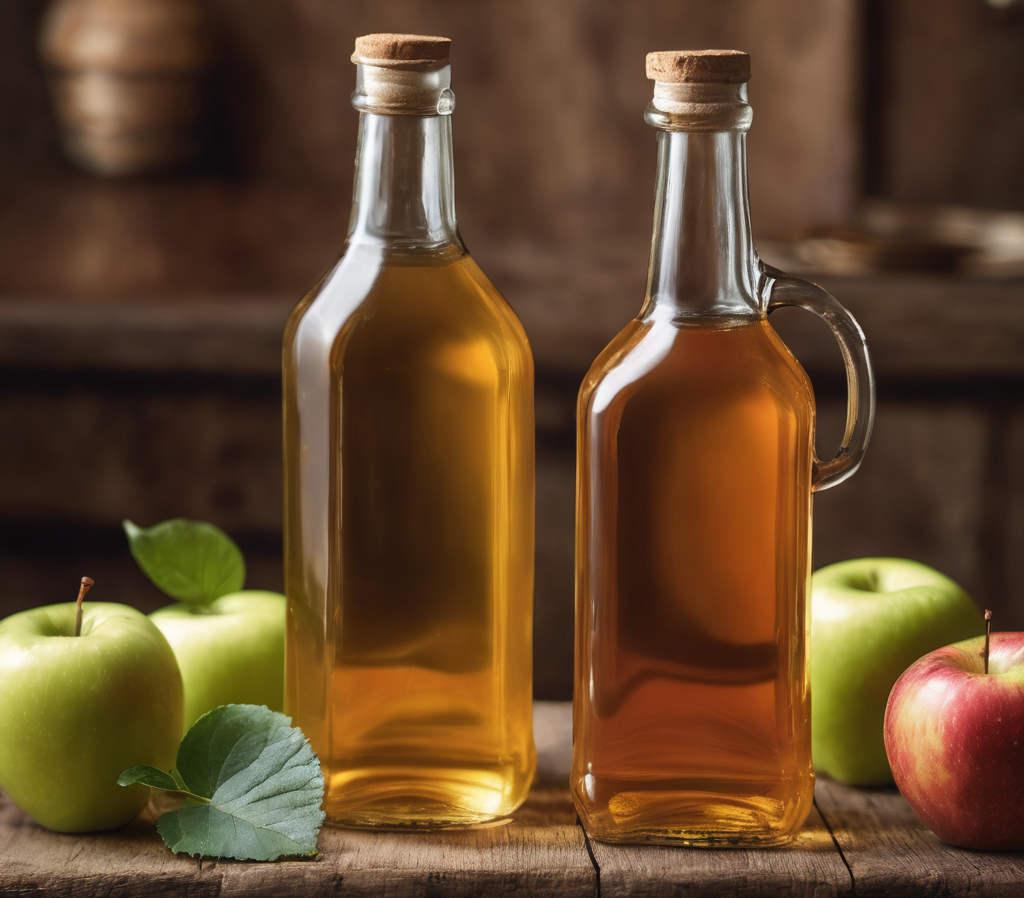
Apple cider vinegar (ACV) is favoured for potential weight loss, attributed to acetic acid. While some studies suggest modest benefits in appetite control and metabolic rate enhancement, it's vital to use ACV within a balanced health plan and be mindful of side effects.


⚡ The short version
✅ Apple cider vinegar (ACV) may offer modest weight-loss benefits ⚖️, including appetite suppression and a small metabolism boost, mainly thanks to its acetic acid content.
⚠️ Effects are usually small and should complement, not replace, a balanced diet and regular exercise 🏃♀️🥗.
🐭 Most of the encouraging evidence comes from animal studies (3–9); robust, high-quality human trials are still lacking.
🔹 A well-known Lebanese trial reporting big benefits was retracted in 2025 after concerns about its methods (13, 14) — a good reminder to look past headlines.
⭐ A 2025 review of human trials found that daily ACV modestly reduced body weight, BMI and waist circumference in adults with overweight, obesity or type 2 diabetes (15).
🥄 A typical "safe" dose for weight loss is 1–2 tablespoons (15–30 mL) a day, diluted in water.
⚠️ Taken in excess, ACV can cause tooth enamel erosion, digestive discomfort and interact with certain medications; people with acid reflux or diabetes should be cautious.
🧐 Why the interest in vinegar?
Vinegar is a sour, weakly acidic liquid made by fermenting wine, cider, beer or other alcoholic liquids, and it's a kitchen staple worldwide 🌍 — balsamic, red wine and sherry vinegars in Europe, rice and black vinegar in Asian cooking, palm vinegar in African stews, and cane vinegar for marinating and pickling in South America and the Caribbean. Among the many varieties, apple cider vinegar has attracted particular attention as a possible natural aid for weight loss, and this summary looks at what the science actually says.
🧪 What's in vinegar?
The main active ingredient is acetic acid — about 750 mg per 15 mL of vinegar (1, 2). Vinegar also contains other organic acids (such as lactic, malic and citric acid), amino acids, peptides, vitamins, minerals and polyphenols like catechin, caffeic acid and ferulic acid (1). Researchers think the acetic acid, and possibly these other compounds, are behind any health effects.
🍽️ Nutritionally, vinegar is a low-energy flavour booster — about 12.6 kJ per tablespoon — that can be used in dressings, marinades, pickling, soups, stews and as a condiment, without adding much to your energy intake.
🌟 What does the research say?
Not all evidence is equally strong, so look out for these symbols:
⭐ = based on a systematic review, meta-analysis or well-designed randomised controlled trial (stronger evidence) 🔹 = based on a single human study (weaker on its own, especially if small or flawed) 🐭 = based on animal research (still needs confirming in people)
⚖️ Weight loss
🐭 Most animal studies (rats and mice) suggest vinegar can be beneficial for body weight (3–9), with only one study finding no effect (10).
🔹 A 12-week Japanese trial in 155 people with overweight found that vinegar reduced weight, waist circumference and abdominal fat, but these benefits disappeared once people stopped drinking it. This study was also funded by a vinegar manufacturer (11) — worth bearing in mind when weighing up the result.
🔹 A small study of persimmon vinegar with ginseng in obese female adolescents found reductions in body weight and fat, though the sample size was small (12).
🔹⚠️ A widely cited Lebanese trial reported that 5–15 mL of ACV a day improved weight, BMI, waist and hip circumference, blood sugar, triglycerides and cholesterol (13). However, independent critics flagged serious problems — missing trial registration, misused statistics, implausible results and an oddly wide age range — and the paper was officially retracted in 2025 (14). It's a useful example of why a single flashy study shouldn't be taken at face value.
⭐ A 2025 systematic review and meta-analysis of human trials found that daily ACV for at least four weeks modestly but significantly reduced body weight, BMI and waist circumference in adults with overweight, obesity or type 2 diabetes, with 30 mL/day for up to 12 weeks showing the most promise. Effects on other body-composition measures were not significant (15).
🔍 How might it work?
The exact mechanisms are still being worked out, mostly from animal research:
| Proposed mechanism | What it might do |
|---|---|
| 🍽️ Appetite suppression | May increase fullness and reduce food intake, though nausea can limit how well people tolerate it (16) |
| 🔥 Metabolic rate | May modestly increase energy burned (17) |
| 🧬 Fat storage genes | May reduce fat accumulation by affecting genes involved in fat storage (3) |
| 🩸 Insulin sensitivity | May improve blood sugar control, particularly after carb-rich meals, and lower blood sugar in type 2 diabetes (18–20) |
| ⚙️ Fat burning/storage | May alter enzymes and hormones involved in how the body burns and stores fat (3) |
| 🍚 Digestive enzymes | May slow carbohydrate breakdown, blunting blood sugar spikes and reducing hunger (21) |
| 🐌 Gastric emptying | May slow stomach emptying, contributing to fullness (22, 23) |
🎯 Bottom line on effectiveness: compared with other weight-loss strategies, ACV's effects look modest. It's best thought of as a complementary tool, not a substitute for a balanced diet and regular exercise.
⚠️ Safety and side effects
Regulators generally consider ACV safe as a food ingredient. But taken in excess, it has been linked to:
🦷 Tooth enamel erosion
🔥 Throat irritation
🤢 Digestive discomfort
🧂 Lowered potassium levels
💊 Interactions with diuretics, insulin and other medications
| Concern | What to know | What to do |
|---|---|---|
| Acid reflux / GERD | May worsen symptoms | Monitor intake, adjust if needed |
| Tooth enamel | Frequent, large amounts can harm enamel | Rinse mouth or drink through a straw |
| Digestive issues | Nausea/indigestion, especially on an empty stomach | Take with food, or cut back |
| Potassium & bone health | High long-term intake raises concern | Normal food amounts are generally safe |
| Medication interactions | Diuretics, laxatives, heart or diabetes medicines | Check with a healthcare provider first |
| Blood sugar | Can lower blood sugar — helpful for some, risky on certain diabetes medication | Monitor blood sugar closely |
🥄 A typical dose for weight loss is 1–2 tablespoons (15–30 mL) a day, diluted in water, though the "right" dose isn't firmly established. Vinegar tablets/supplements are regulated differently across countries and should be approached with caution (24).
💧 Vinegar vs sparkling water
Both are acidic and give that sharp, tangy taste — vinegar from acetic acid, sparkling water from carbonic acid (though sparkling water is less acidic overall). Interestingly, sparkling water has also been shown to slow gastric emptying and promote fullness (25), making it a refreshing, low-energy option that offers some of the same satiety benefits without the acidity risks of vinegar.
🎯 The bottom line
✅ ACV may give a modest boost to weight, BMI and waist circumference for some people, mainly through appetite suppression and small metabolic effects.
🐭 Most of the supportive evidence is still from animal studies; robust, independent human trials are needed before firm conclusions can be drawn.
🔹 Be wary of dramatic claims — one of the most-cited "big benefit" human trials was retracted, and another was funded by a vinegar manufacturer.
🍽️ Used sensibly — a tablespoon or two a day, diluted, as part of a balanced diet and regular exercise — ACV is low-risk and low-energy, but it is not a magic weight-loss solution.
⚠️ People with acid reflux, diabetes, or those on certain medications should use it cautiously and check with a healthcare provider.
💭 Questions to ask yourself
🤔 Have I (or someone I know) used vinegar for health reasons? Was it part of a broader healthy lifestyle, or relied on as a stand-alone fix — and how did that go?
🩺 Did I consider the possible side effects or medication interactions before adding vinegar to my routine, or check in with a healthcare professional first?
🥗 Could I use vinegar the low-risk way — as a flavour enhancer in dressings, marinades or cooking — rather than as a supplement or "cure"?
💊 Am I on medication for diabetes, blood pressure or fluid balance? If so, is it worth a chat with my doctor or dietitian before starting regular vinegar intake?
Always seek guidance from dietitians for personalised diets and weight management plans.
💌 Love what you're reading? Share the knowledge! Forward this link to a friend who might also enjoy it. 📨
📚 References
Want to go deeper? Here are all the studies behind this summary. 🔍
- Petsiou EI, Mitrou PI, Raptis SA, Dimitriadis GD. Effect and mechanisms of action of vinegar on glucose metabolism, lipid profile, and body weight. Nutrition Reviews. 2014;72(10):651-61.
- Samad A, Azlan A, Ismail A. Therapeutic effects of vinegar: A review. Current Opinion in Food Science. 2016;8:56-61.
- Kondo T, Kishi M, Fushimi T, Kaga T. Acetic acid upregulates the expression of genes for fatty acid oxidation enzymes in liver to suppress body fat accumulation. Journal of Agricultural and Food Chemistry. 2009;57(13):5982-6.
- Lee J-H, Cho H-D, Jeong J-H, Lee M-K, Jeong Y-K, Shim K-H, et al. New vinegar produced by tomato suppresses adipocyte differentiation and fat accumulation in 3T3-L1 cells and obese rat model. Food Chemistry. 2013;141(3):3241-9.
- de Dios Lozano J, Juárez-Flores BI, Pinos-Rodríguez JM, Aguirre-Rivera JR, Álvarez-Fuentes G. Supplementary effects of vinegar on body weight and blood metabolites in healthy rats fed conventional diets and obese rats fed high-caloric diets. Journal of Medicinal Plants Research. 2012;6(24):4135-41.
- Yamashita H, Fujisawa K, Ito E, Idei S, Kawaguchi N, Kimoto M, et al. Improvement of obesity and glucose tolerance by acetate in Type 2 diabetic Otsuka Long-Evans Tokushima Fatty (OLETF) rats. Bioscience, Biotechnology, and Biochemistry. 2007;71(5):1236-43.
- Yamashita H, Maruta H, Jozuka M, Kimura R, Iwabuchi H, Yamato M, et al. Effects of acetate on lipid metabolism in muscles and adipose tissues of type 2 diabetic Otsuka Long-Evans Tokushima Fatty (OLETF) rats. Bioscience, Biotechnology, and Biochemistry. 2009;73(3):570-6.
- Yamashita H. Biological function of acetic acid — improvement in obesity and glucose tolerance by acetic acid in type 2 diabetic rats. Critical Reviews in Food Science and Nutrition. 2016;56(sup1):S171-S5.
- Yun SN, Ko SK, Lee KH, Chung SH. Vinegar-processed ginseng radix improves metabolic syndrome induced by a high fat diet in ICR mice. Archives of Pharmacal Research. 2007;30:587-95.
- Fushimi T, Suruga K, Oshima Y, Fukiharu M, Tsukamoto Y, Goda T. Dietary acetic acid reduces serum cholesterol and triacylglycerols in rats fed a cholesterol-rich diet. British Journal of Nutrition. 2006;95(5):916-24.
- Kondo T, Kishi M, Fushimi T, Ugajin S, Kaga T. Vinegar intake reduces body weight, body fat mass, and serum triglyceride levels in obese Japanese subjects. Bioscience, Biotechnology, and Biochemistry. 2009;73(8):1837-43.
- Seo H, Jeon B-D, Ryu S. Persimmon vinegar ripening with the mountain-cultivated ginseng ingestion reduces blood lipids and lowers inflammatory cytokines in obese adolescents. Journal of Exercise Nutrition & Biochemistry. 2015;19(1):1.
- Rony A-K, Jeanne A, Elissar E-H. Apple cider vinegar for weight management in Lebanese adolescents and young adults with overweight and obesity: a randomised, double-blind, placebo-controlled study. BMJ Nutrition, Prevention & Health. 2024;7(1):null.
- Retraction: Apple cider vinegar for weight management in Lebanese adolescents and young adults with overweight and obesity: a randomised, double-blind, placebo-controlled study. BMJ Nutrition, Prevention & Health. 2025:bmjnph-2023-000823ret.
- Castagna A, Ferro Y, Noto FR, Bruno R, Aragao Guimaraes A, Pujia C, et al. Effect of Apple Cider Vinegar Intake on Body Composition in Humans with Type 2 Diabetes and/or Overweight: A Systematic Review and Meta-Analysis of Randomized Controlled Trials. Nutrients. 2025;17(18).
- Darzi J, Frost GS, Montaser R, Yap J, Robertson MD. Influence of the tolerability of vinegar as an oral source of short-chain fatty acids on appetite control and food intake. International Journal of Obesity. 2014;38(5):675-81.
- Hattori M, Kondo T, Kishi M, Yamagami K. A single oral administration of acetic acid increased energy expenditure in C57BL/6J mice. Bioscience, Biotechnology, and Biochemistry. 2010;74(10):2158-9.
- Johnston CS, Steplewska I, Long CA, Harris LN, Ryals RH. Examination of the antiglycemic properties of vinegar in healthy adults. Annals of Nutrition and Metabolism. 2010;56(1):74-9.
- Johnston CS, Quagliano S, White S. Vinegar ingestion at mealtime reduced fasting blood glucose concentrations in healthy adults at risk for type 2 diabetes. Journal of Functional Foods. 2013;5(4):2007-11.
- Liatis S, Grammatikou S, Poulia K-A, Perrea D, Makrilakis K, Diakoumopoulou E, et al. Vinegar reduces postprandial hyperglycaemia in patients with type II diabetes when added to a high, but not to a low, glycaemic index meal. European Journal of Clinical Nutrition. 2010;64(7):727-32.
- Ahmadniaye Motlagh H, Javadmanesh A, Safari O. Improvement of non-specific immunity, growth, and activity of digestive enzymes in Carassius auratus as a result of apple cider vinegar administration to diet. Fish Physiology and Biochemistry. 2020;46(4):1387-95.
- Hlebowicz J, Darwiche G, Björgell O, Almér L-O. Effect of apple cider vinegar on delayed gastric emptying in patients with type 1 diabetes mellitus: a pilot study. BMC Gastroenterology. 2007;7:1-6.
- Liljeberg H, Björck I. Delayed gastric emptying rate may explain improved glycaemia in healthy subjects to a starchy meal with added vinegar. European Journal of Clinical Nutrition. 1998;52(5):368-71.
- Hill LL, Woodruff LH, Foote JC, Barreto-Alcoba M. Esophageal injury by apple cider vinegar tablets and subsequent evaluation of products. Journal of the American Dietetic Association. 2005;105(7):1141-4.
- Pouderoux P, Friedman N, Shirazi P, Ringelstein J, Keshavarzian A. Effect of carbonated water on gastric emptying and intragastric meal distribution. Digestive Diseases and Sciences. 1997;42(1):34-9.