Q&A: 🥩 Meat, genetics and cancer : Does eating meat raise your cancer risk? 🧬🔬
Meat consumption, particularly red and processed types, is linked to increased cancer risk. Adopting healthier cooking methods and moderating intake can mitigate these risks. Understanding and personalising dietary choices based on the latest research and individual health profiles is crucial.


⚡ The short version
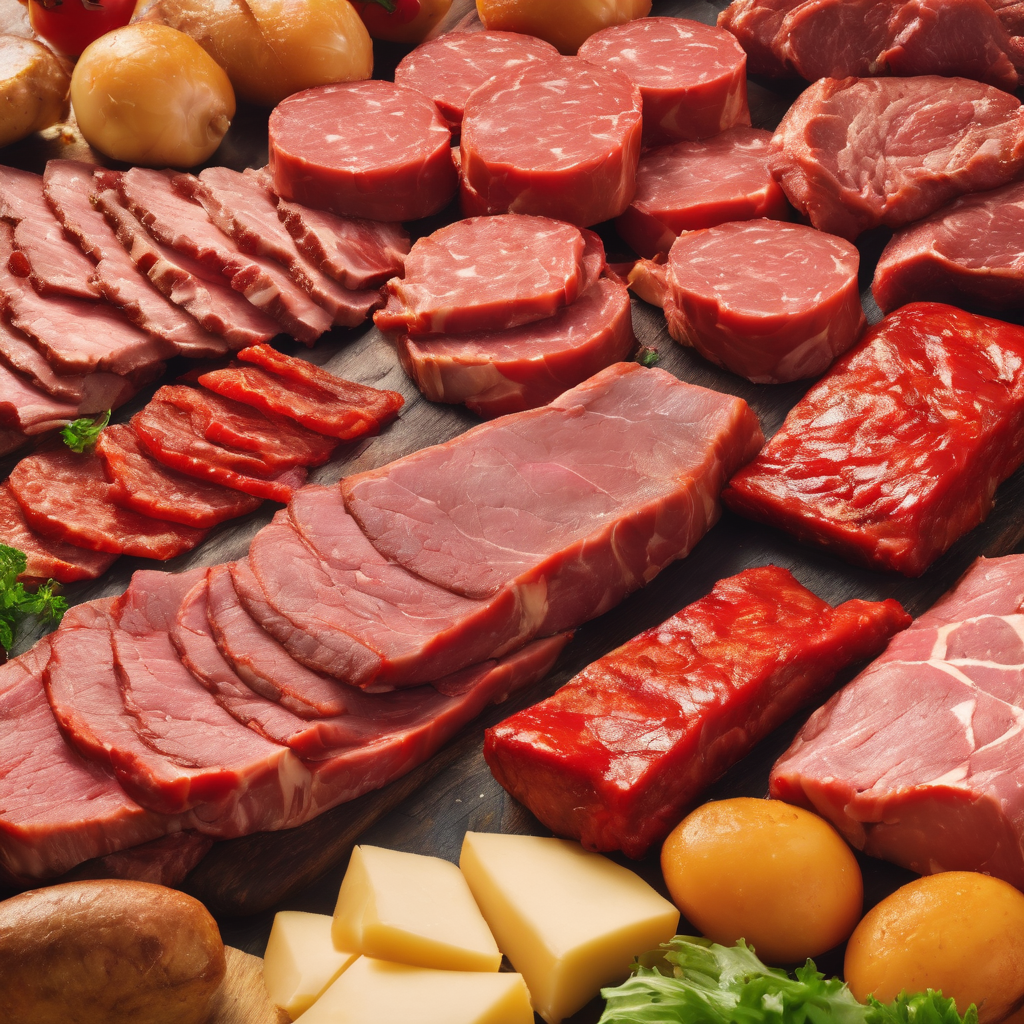
⚠️ Processed meat (bacon, sausages, ham, biltong, etc.) is classified by the WHO's cancer agency as Group 1 — carcinogenic to humans; red meat is Group 2A — probably carcinogenic (6). This is about the strength of evidence, not the size of the risk — smoking is also Group 1, but its risk is far higher than an occasional bacon sandwich.
🍔 Higher red and processed meat intake is linked to increased risk of several cancers, most consistently colorectal cancer, and also oesophageal, stomach, pancreatic and, for processed meat, breast cancer (7–17).
🔥 How you cook meat matters — charring and high-heat methods (grilling, braaiing, frying) create carcinogenic compounds; gentler methods (poaching, stewing, sous-vide, lower-temperature baking) create far fewer.
🧬 Genes influence individual risk — variants in genes like NAT2, GST and MTHFR can make some people more or less able to process the carcinogens formed in meat, though the research isn't consistent enough yet for routine genetic testing (62–67).
💨 It's not just what you eat — inhaling cooking fumes from grilling or frying (especially with poor ventilation) is classified as probably carcinogenic too, and is a distinct, often-overlooked risk pathway.
✅ You don't have to give up meat entirely: moderating intake, choosing leaner cuts, gentler cooking methods and balancing meat with plenty of plant foods meaningfully lowers the risk, and meat remains a valuable source of protein, iron, zinc and vitamin B12.
🧪 Lab-grown meat may offer a lower-contaminant alternative in future, but it can still produce the same cooking-related carcinogens, and its long-term safety profile isn't yet established (4, 5).
🧐 Why look at meat and cancer?
Cancer develops when DNA mutations cause cells to grow uncontrollably; these mutations can be inherited, triggered by things like tobacco smoke and radiation, or occur randomly (1). Cancer is common — an estimated 19.3 million new cases and nearly 10 million deaths worldwide in 2020, including over 107,000 new cases in South Africa (1). The encouraging news: research suggests up to 40% of cancers may be preventable through lifestyle changes — a healthy weight, regular activity, avoiding tobacco, limiting alcohol, and a diet built around whole grains, vegetables, fruit and beans while limiting processed and fast foods, red and processed meat, and sugary drinks (2, 3).
🥓 Meat types, in plain terms
| Category | What it includes |
|---|---|
| 🔴 Red meat | Beef, veal, lamb, mutton, goat, pork and ostrich, plus organ meats like liver and kidney (pork counts as "red" due to its high myoglobin content) |
| 🥓 Processed meat | Meat preserved by smoking, curing, salting or adding preservatives — bacon, sausages, hot dogs, deli meats, biltong, jerky, droëwors, corned beef, tinned meat |
| 🍗 White meat | Chicken, turkey — leaner, lower myoglobin, generally the "healthier" meat category |
| 🐟 Fish/seafood | Its own category, notable for omega-3 fats |
| 🧫 Lab-grown meat | Meat cultured from animal cells — an emerging alternative whose long-term health effects are still being studied (4, 5) |
📊 What does the research say?
Large reviews and meta-analyses have looked at meat intake and cancer risk across many cancer types. Here's a snapshot:
| Cancer type | What the evidence shows |
|---|---|
| 🎗️ Colorectal | Consistently increased risk with higher red and processed meat intake; risk appears to plateau above ~140 g/day (8, 17) |
| 🍽️ Oesophageal | Higher red meat intake linked to increased risk (9) |
| 🫁 Stomach | Higher processed meat intake linked to increased risk (14) |
| 🧫 Pancreatic | Processed meat increases risk in both sexes; red meat increases risk in men (13) |
| 🎗️ Breast | Mixed evidence — some meta-analyses found a modest but significant association with red and processed meat (10, 12); others found no significant link (7) |
| 💧 Bladder | No clear link with red meat; a significant link with processed meat, especially in American populations (15) |
| 🩸 Acute leukaemia (children) | Children with higher processed meat intake (or whose mothers ate more during pregnancy) showed higher odds (11) |
| 🫘 Liver, colon, rectal | High red and processed meat intake linked to increased risk across these sites (16) |
⚠️ Findings aren't identical across all studies — for example, results for distal colon cancer and red meat, or proximal colon cancer and processed meat, were inconsistent (17). This reflects real complexity in the underlying biology and in how studies measure "meat intake."
🍖 What about organ meat (offal)? It's nutrient-dense but evidence on cancer risk is mixed and inconsistent — some studies found no link with breast, colon or rectal cancer (20, 21, 23, 24), while one French study found a link with colorectal cancer (22). More research is needed.
⚙️ How might meat contribute to cancer risk?
Several overlapping biological mechanisms have been proposed:
🩸 Haem iron (abundant in red meat) can promote the formation of harmful N-nitroso compounds and free radicals, cause oxidative DNA damage, and increase toxicity in the gut lining — mechanisms linked to colorectal cancer in experimental models (25–30).
🔥 High-heat cooking produces heterocyclic amines (HCAs) and polycyclic aromatic hydrocarbons (PAHs) — compounds formed when proteins and fats break down under intense heat, particularly with charring. Both are linked to increased cancer risk (40–43).
🍯 Advanced glycation end-products (AGEs), formed when proteins or fats combine with sugars under high heat, contribute to inflammation and oxidative stress (44, 45).
🧬 Neu5Gc, a sugar molecule found in red meat but not naturally made by humans, may trigger a chronic immune/inflammatory response when absorbed into human tissue (46–48).
🦠 The gut microbiome may play a role, though a recent study found microbial differences were weak and inconsistent predictors of colorectal changes, suggesting microbial shifts may be a consequence rather than an early cause (31, 49, 50).
🧂 Nitrates and nitrites, used in curing processed meats, contribute to N-nitroso compound formation — one reason processed meat carries a higher classified risk than fresh red meat (28, 29).
⚖️ Fat and bile acids: meat fat stimulates bile acid production; when metabolised by gut bacteria, some bile acids become cytotoxic and may irritate the colon lining over time (52–54). Interestingly, one large meta-analysis found no clear link between total fat intake and colorectal cancer, and even a modest protective association with moderate saturated fat intake — a reminder that this area is still evolving (54).
🧪 Homocysteine: high meat intake (high in methionine) combined with low B-vitamin intake can raise homocysteine, a marker linked to oxidative stress, inflammation and increased colorectal cancer risk — particularly in people with certain MTHFR gene variants (55).
🦠 A more speculative theory: some researchers have proposed that bovine viruses present in beef could play a role in colorectal cancer alongside cooking-related carcinogens — an interesting but not yet confirmed hypothesis (56).
⚖️ Weight: evidence on meat and weight gain is genuinely mixed — some reviews link red meat to increased obesity risk, others find no association — so weight itself doesn't fully explain the meat–cancer link (57–61).
🧬 Does genetics change your risk?
Not everyone processes meat-related carcinogens the same way. Several genes are involved in metabolising carcinogens and managing oxidative stress:
| Gene | What it does | Relevance to meat & cancer |
|---|---|---|
| NAT2 | Metabolises carcinogenic compounds | "Rapid" variants linked to faster metabolism of HCAs and, in some studies, higher colorectal cancer risk with red meat intake — though findings are inconsistent (62–66) |
| CYP1A2 | Metabolises PAHs | Variants affect how well the body processes carcinogens from cooked meat (66) |
| MPO | Inflammatory response | Variants influence oxidative stress from meat intake |
| GST (GSTM1, GSTT1, GSTP1) | Detoxifies carcinogens | Variants affect detoxification efficiency |
| AHR | Regulates metabolism of environmental toxins | Variants affect response to carcinogens in meat |
| NFE2L2 | Cellular antioxidant response | Variants affect oxidative stress handling |
| APOE | Lipid metabolism, inflammation | Variants influence inflammatory/oxidative response |
| TP53 | DNA repair, tumour suppression | Mutations impair DNA repair, raising cancer susceptibility generally |
| MTHFR (C677T, A1298C) | Folate metabolism, DNA synthesis | High meat intake combined with these variants linked to increased breast, glioma and gastric cancer risk in some studies (67) |
🧬 Bottom line on genetics: this is a genuinely active and evolving research area (68). It's not yet at the point of routine genetic testing to personalise meat advice, but it helps explain why some people seem more vulnerable than others to the same diet.
🔥 Cooking method matters — a lot
| Cooking method | Carcinogen formation |
|---|---|
| 🍲 Poaching, boiling, sous-vide, pressure cooking | Low — gentle, moisture-based heat |
| 🥘 Stewing, oven-baking | Low–moderate |
| 🍳 Air frying (≤180°C) | Low–moderate |
| 🔥 Pan-frying, griddle-grilling | Higher — promotes HCA formation |
| 🍖 Barbecuing, braaiing, charbroiling, broiling | High — direct high heat and charring promote both HCAs and PAHs |
🌡️ Doneness matters too: rare/medium-rare meat forms fewer HCAs and PAHs than well-done, charred meat (69) — though undercooked meat carries its own food-safety risks.
🌿 Marinating helps: herbs (rosemary, thyme, garlic, onion, oregano, sage) and antioxidant-rich ingredients (vitamin E-rich oils, lemon or orange juice, crushed berries, a splash of wine) can meaningfully reduce HCA formation — the longer the marinating time and the more diverse the mix, the better the protective effect (71).
🍋 Vitamin C (e.g. from lemon juice) can help reduce nitrosamine formation in nitrate-rich processed meats like ham and bacon (73, 74).
🧂 Salt matters for cured meats: the salt and nitrates/nitrites used to cure biltong, jerky and similar products add to their carcinogenic potential, and high salt intake independently raises stomach cancer risk (76, 77). Promisingly, recent research shows biltong's sodium content can be cut by about 50% using potassium-based salt substitutes without compromising taste or safety.
🥩 What about raw meat (steak tartare, carpaccio, biltong, sushi with beef, and similar dishes eaten around the world)? There's currently no direct evidence that eating raw meat lowers cancer risk — while avoiding cooking avoids cooking-related carcinogens in theory, this hasn't been well studied, and raw meat carries its own food-safety risks (like bacterial infection) that need to be weighed separately.
💨 Don't forget the fumes
Cancer risk from meat isn't only about what you eat — inhaling cooking fumes, especially from grilling or frying, is also a factor. Cooking fumes contain PAHs, aldehydes and other volatile compounds, and the WHO's cancer agency classifies cooking oil fumes and solid-fuel cooking emissions as Group 2A — probably carcinogenic, with meta-analyses linking poor ventilation and solid-fuel cooking to elevated lung cancer risk, particularly among cooks and people frequently exposed to indoor cooking emissions.
🛡️ Simple ways to reduce this risk:
- Use ventilation (range hood, open windows) when cooking
- Avoid overcooking or charring meat
- Favour lower-temperature methods like baking or stewing
- Use oils with a high smoke point and avoid overheating oil
- If you cook with gas or solid fuel, keep appliances well maintained
🧫 Lab-grown meat: a future alternative?
Lab-grown (cultured) meat could potentially reduce cancer-related risks tied to conventional meat — fewer contaminants, less need for preservatives (5). However, it can still form HCAs and PAHs when cooked at high temperatures, just like conventional meat, and its long-term health and cancer-risk profile isn't yet well understood. More research and regulation will be needed before firm conclusions can be drawn.
🥗 Practical guidelines: how much, and how to prepare it
🍖 Meat is genuinely nutritious — it's a significant source of high-quality protein, iron (especially well-absorbed haem iron), zinc, vitamin B12 and vitamin A. Cutting it out entirely can work well for some people but needs planning (ideally with a dietitian or doctor) to avoid nutrient gaps (78).
📏 General quantity guidance:
- WCRF/AICR: limit red meat, avoid processed meat (2, 3)
- South African guideline: "Fish, chicken, lean meat or eggs can be eaten daily" — promoting lean meat in moderation as part of a varied diet (51)
- Various specific targets exist (e.g. 2–3 servings of 90–120 g/week, or not exceeding ~560 g/week), though experts don't fully agree on the exact numbers (79, 80)
- A typical serving size (90–120 g) is about the size of a deck of cards, your palm, or a smartphone
👩🍳 Preparation tips that help:
- Choose leaner cuts; trim visible fat and remove poultry skin before cooking
- Prefer baking, steaming, boiling, stewing or air frying (≤180°C) over grilling, frying, barbecuing or braaiing
- Marinate meat in herbs and antioxidant-rich ingredients before cooking
- Avoid charring; trim off any charred portions
- Pair meat with vegetables, fruit, whole grains and legumes — people with the highest natural antioxidant intake showed no association between red meat and cancer risk (88)
🔄 Smart substitutions:
- Swapping red/processed meat for chicken or fish is linked to lower colorectal cancer risk (16, 84)
- Partial substitution with whole grains, vegetables or fruit can reduce colorectal cancer risk, even in small amounts (83, 87)
- Plant-based alternatives (mushroom-based products, legumes, tofu) are reasonable options — though replacing meat with legumes specifically hasn't been shown to reduce liver cancer risk (82), and swapping in cricket/insect protein, while safe, isn't inherently "healthier" than beef (81)
- Try a "meatless day" or mixing meat mince with soya mince to cut overall intake while keeping familiar meals
🎯 The bottom line
⚠️ Processed meat is classified as carcinogenic and red meat as probably carcinogenic, mainly due to consistent links with colorectal cancer, and links with several other cancers.
🔥 How you cook and prepare meat — temperature, doneness, marinating, avoiding char — meaningfully changes the carcinogen load, often more within your control than whether you eat meat at all.
🧬 Genetics play a role in individual susceptibility, but the science isn't yet precise enough for personalised genetic-based meat advice.
💨 Cooking fumes are a separate, often-overlooked risk pathway — ventilation matters.
🥗 Moderation, lean cuts, gentler cooking and balancing meat with plants — not necessarily elimination — is the evidence-based, practical approach for most people.
🩺 If you have a personal or family history of cancer, or a known genetic predisposition, it's worth discussing personalised guidance with a healthcare provider, genetic counsellor or dietitian.
💭 Questions to ask yourself
🍖 How often do I eat red or processed meat, and could I comfortably shift toward more fish, chicken or plant-based meals some days of the week?
🔥 How do I usually cook my meat? Could I try marinating, lowering the cooking temperature, or trimming charred bits more often?
🌬️ How's the ventilation in my kitchen when I grill or fry?
🧬 Do I have a family history of colorectal or other meat-associated cancers that might be worth discussing with a healthcare provider?
🥦 What could I pair with my meat — vegetables, whole grains, legumes — to build a more balanced plate?
Always seek guidance from dietitians for personalised diets and cancer-risk-reduction plans, and consult a healthcare provider or genetic counsellor if you have a known genetic predisposition to cancer.
💌 Love what you're reading? Share the knowledge! Forward this link to a friend who might also enjoy it. 📨
📚 References
Want to go deeper? Here are all the studies behind this summary. 🔍
- Sung H, Ferlay J, Siegel RL, Laversanne M, Soerjomataram I, Jemal A, et al. Global Cancer Statistics 2020: GLOBOCAN Estimates of Incidence and Mortality Worldwide for 36 Cancers in 185 Countries. CA: A Cancer Journal for Clinicians. 2021;71(3):209-49.
- World Cancer Research Fund/American Institute for Cancer Research. Policy and action for cancer prevention. Food, nutrition, and physical activity: a global perspective. AICR Washington, DC; 2009.
- Clinton SK, Giovannucci EL, Hursting SD. The World Cancer Research Fund/American Institute for Cancer Research Third Expert Report on diet, nutrition, physical activity, and cancer: impact and future directions. The Journal of Nutrition. 2020;150(4):663-71.
- Chriki S, Hocquette J-F. The myth of cultured meat: a review. Frontiers in Nutrition. 2020;7:7.
- Hanson J, Ranney J. Is lab-grown meat healthy and safe to consume? Center for Food Safety. 2020.
- International Agency for Research on Cancer Monograph Working Group. Carcinogenicity of consumption of red and processed meat. 2015.
- Alexander DD, Cushing CA, Mink PJ, Morimoto LM. A review and meta-analysis of red and processed meat consumption and breast cancer. Nutrition Research Reviews. 2010;23(2):349-65.
- Chan DS, Lau R, Aune D, Vieira R, Greenwood DC, Kampman E, et al. Red and processed meat and colorectal cancer incidence: meta-analysis of prospective studies. PLoS One. 2011;6(6):e20456.
- Choi Y, Song S, Song Y, Lee JE. Consumption of red and processed meat and esophageal cancer risk: meta-analysis. World Journal of Gastroenterology. 2013;19(7):1020-9.
- Farvid MS, Sidahmed E, Spence ND, Mante Angua K, Rosner BA, Barnett JB. Consumption of red meat and processed meat and cancer incidence: a systematic review and meta-analysis of prospective studies. European Journal of Epidemiology. 2021;36(9):937-51.
- Flores-García MK, Flores-Collado G, Mérida-Ortega Á, Ugalde-Resano R, González-Rocha A, Denova-Gutiérrez E, et al. Maternal and infant diet play a role in acute leukemia development: an expanded systematic review and meta-analysis. Clinical Nutrition ESPEN. 2025.
- Guo J, Wei W, Zhan L. Red and processed meat intake and risk of breast cancer: a meta-analysis of prospective studies. Breast Cancer Research and Treatment. 2015;151(1):191-8.
- Larsson SC, Wolk A. Red and processed meat consumption and risk of pancreatic cancer: meta-analysis of prospective studies. British Journal of Cancer. 2012;106(3):603-7.
- Larsson SC, Orsini N, Wolk A. Processed meat consumption and stomach cancer risk: a meta-analysis. Journal of the National Cancer Institute. 2006;98(15):1078-87.
- Li F, An S, Hou L, Chen P, Lei C, Tan W. Red and processed meat intake and risk of bladder cancer: a meta-analysis. International Journal of Clinical and Experimental Medicine. 2014;7(8):2100.
- Poorolajal J, Mohammadi Y, Fattahi-Darghlou M, Almasi-Moghadam F. The association between major gastrointestinal cancers and red and processed meat and fish consumption: A systematic review and meta-analysis of the observational studies. PLoS One. 2024;19(6):e0305994.
- Zhao Z, Feng Q, Yin Z, Shuang J, Bai B, Yu P, et al. Red and processed meat consumption and colorectal cancer risk: a systematic review and meta-analysis. Oncotarget. 2017;8(47):83306.
- Aljazzar A, El-Ghareeb WR, Darwish WS, Abdel-Raheem SM, Ibrahim AM. Content of total aflatoxin, lead, and cadmium in the bovine meat and edible offal: study of their human dietary intake, health risk assessment, and molecular biomarkers. Environmental Science and Pollution Research. 2021;28(43):61225-34.
- Emurotu JE, Olawale O, Dallatu EM, Abubakar TA, Umudi QE, Eneogwe GO, et al. Carcinogenic and non-carcinogenic health risk assessment of heavy metals in the offal of animals from Felele Abattoir, Lokoja, Nigeria. Toxicology Reports. 2024;13:101701.
- Taylor EF, Burley VJ, Greenwood DC, Cade JE. Meat consumption and risk of breast cancer in the UK Women's Cohort Study. British Journal of Cancer. 2007;96(7):1139-46.
- Egeberg R, Olsen A, Christensen J, Halkjær J, Jakobsen MU, Overvad K, et al. Associations between red meat and risks for colon and rectal cancer depend on the type of red meat consumed. The Journal of Nutrition. 2013;143(4):464-72.
- Boutron-Ruault M-C, Senesse P, Faivre J, Chatelain N, Belghiti C, Méance S. Foods as risk factors for colorectal cancer: a case-control study in Burgundy (France). European Journal of Cancer Prevention. 1999;8(3):229-35.
- Tabatabaei SM, Fritschi L, Knuiman MW, Boyle T, Iacopetta BJ, Platell C, et al. Meat consumption and cooking practices and the risk of colorectal cancer. European Journal of Clinical Nutrition. 2011;65(6):668-75.
- Spencer EA, Key TJ, Appleby PN, Dahm CC, Keogh RH, Fentiman IS, et al. Meat, poultry and fish and risk of colorectal cancer: pooled analysis of data from the UK dietary cohort consortium. Cancer Causes & Control. 2010;21(9):1417-25.
- Glei M, Latunde-Dada GO, Klinder A, Becker TW, Hermann U, Voigt K, et al. Iron-overload induces oxidative DNA damage in the human colon carcinoma cell line HT29 clone 19A. Mutation Research. 2002;519(1-2):151-61.
- Sesink AL, Termont DS, Kleibeuker JH, Van der Meer R. Red meat and colon cancer: the cytotoxic and hyperproliferative effects of dietary heme. Cancer Research. 1999;59(22):5704-9.
- Cross AJ, Pollock JR, Bingham SA. Haem, not protein or inorganic iron, is responsible for endogenous intestinal N-nitrosation arising from red meat. Cancer Research. 2003;63(10):2358-60.
- Lijinsky W. Carcinogenicity and mutagenicity of N-nitroso compounds. Molecular Toxicology. 1987;1(1):107-19.
- Shephard SE, editor. Endogenous formation of N-nitroso compounds in relation to the intake of nitrate or nitrite. Health aspects of nitrate and its metabolites (particularly nitrite). Proceedings of an international workshop, Bilthoven (Netherlands), 8-10 November 1994; 1995.
- Seiwert N, Heylmann D, Hasselwander S, Fahrer J. Mechanism of colorectal carcinogenesis triggered by heme iron from red meat. Biochimica et Biophysica Acta (BBA) - Reviews on Cancer. 2020;1873(1):188334.
- Louca P, Manning S, Hackney E, Sharp L, Hull MA, Koo S, et al. Gut microbiome signatures in colorectal neoplasia: a cross-sectional study across neoplasia stages and subtypes. Gut. 2026.
- Sarmiento-Machado LM, Amadeu SO, de Moura NA, Azevedo L, Barbisan LF. Dietary inclusion of cyanobacteria Arthrospira (Spirulina platensis) spp. decreases the aggravating effect of hemin from red meat in a rat colorectal carcinogenesis model. Future Foods. 2024:100448.
- Dinu M, Ristori S, Pagliai G, Lotti S, Meriggi N, Nerini A, et al. Effects of meat-based, meat-based with α-tocopherol, and pesco-vegetarian diets on biomarkers associated with colorectal cancer risk: a randomized behavioral intervention trial. Scientific Reports. 2025;16(1):1502.
- Jiang S, Xue D, Li Q, Shan K, Zhang M, Zhou G, et al. Exploring the impact of myoglobin from red meat on intestinal function: Insights from mouse and cell models. Food Frontiers. 2024.
- Díaz-Gay M, dos Santos W, Moody S, Kazachkova M, Abbasi A, Steele CD, et al. Geographic and age variations in mutational processes in colorectal cancer. Nature. 2025.
- Seiwert N, Heylmann D, Hasselwander S, Fahrer J. Mechanism of colorectal carcinogenesis triggered by heme iron from red meat. Biochimica et Biophysica Acta (BBA) - Reviews on Cancer. 2020;1873(1):188334.
- Masiques NE, Vossen E, De Vrieze J, De Smet S, Van Hecke T. The formation of sulfur metabolites during in vitro gastrointestinal digestion of fish, white and red meat is affected by the addition of fructo-oligosaccharides. Food & Function. 2024.
- Ramasamy S, Singh S, Taniere P, Langman MJ, Eggo MC. Sulfide-detoxifying enzymes in the human colon are decreased in cancer and upregulated in differentiation. American Journal of Physiology-Gastrointestinal and Liver Physiology. 2006;291(2):G288-96.
- DiMattia ZS, Zhao J, Hao F, Koshkin S, Bisanz JE, Patterson AD, et al. Effect of varying quantities of lean beef as part of a Mediterranean-style dietary pattern on gut microbiota and plasma, fecal, and urinary metabolites: A randomized crossover controlled feeding trial. Journal of the American Heart Association.
- Cotterchio M, Boucher BA, Manno M, Gallinger S, Okey AB, Harper PA. Red meat intake, doneness, polymorphisms in genes that encode carcinogen-metabolizing enzymes, and colorectal cancer risk. Cancer Epidemiology, Biomarkers & Prevention. 2008;17(11):3098-107.
- Nagao M, Honda M, Seino Y, Yahagi T, Sugimura T. Mutagenicities of smoke condensates and the charred surface of fish and meat. Cancer Letters. 1977;2(4):221-6.
- Weisburger JH. Specific Maillard reactions yield powerful mutagens and carcinogens. In: Labuza TP, Reineccius GA, Monnier VM, O'Brien J, Baynes JW, editors. Maillard Reactions in Chemistry, Food and Health. Woodhead Publishing; 2005. p. 335-40.
- Chiavarini M, Bertarelli G, Minelli L, Fabiani R. Dietary intake of meat cooking-related mutagens (HCAs) and risk of colorectal adenoma and cancer: A systematic review and meta-analysis. Nutrients. 2017;9(5):514.
- Huang S, Huang M, Dong X. Advanced glycation end products in meat during processing and storage: A review. Food Reviews International. 2023;39(3):1716-32.
- Lin J-A, Wu C-H, Lu C-C, Hsia S-M, Yen G-C. Glycative stress from advanced glycation end products (AGEs) and dicarbonyls: An emerging biological factor in cancer onset and progression. Molecular Nutrition & Food Research. 2016;60(8):1850-64.
- Cascella M, Bimonte S, Barbieri A, Del Vecchio V, Caliendo D, Schiavone V, et al. Dissecting the mechanisms and molecules underlying the potential carcinogenicity of red and processed meat in colorectal cancer (CRC): an overview on the current state of knowledge. Infectious Agents and Cancer. 2018;13(1):3.
- Liang M, Wu J, Li H, Zhu Q. N-glycolylneuraminic acid in red meat and processed meat is a health concern: A review on the formation, health risk, and reduction. Comprehensive Reviews in Food Science and Food Safety. 2024;23(2):e13314.
- Samraj AN, Bertrand KA, Luben R, Khedri Z, Yu H, Nguyen D, et al. Polyclonal human antibodies against glycans bearing red meat-derived non-human sialic acid N-glycolylneuraminic acid are stable, reproducible, complex and vary between individuals: Total antibody levels are associated with colorectal cancer risk. PLoS One. 2018;13(6):e0197464.
- Abu-Ghazaleh N, Chua WJ, Gopalan V. Intestinal microbiota and its association with colon cancer and red/processed meat consumption. Journal of Gastroenterology and Hepatology. 2021;36(1):75-88.
- Akbar N, Khan NA, Muhammad JS, Siddiqui R. The role of gut microbiome in cancer genesis and cancer prevention. Health Sciences Review. 2022;2:100010.
- Schonfeldt HC, Hall N. "Fish, chicken, lean meat and eggs can be eaten daily": a food-based dietary guideline for South Africa. South African Journal of Clinical Nutrition. 2013;26:S66-S76.
- Kim Y, Je Y, Giovannucci EL. Association between dietary fat intake and mortality from all-causes, cardiovascular disease, and cancer: A systematic review and meta-analysis of prospective cohort studies. Clinical Nutrition. 2021;40(3):1060-70.
- Mei J, Qian M, Hou Y, Liang M, Chen Y, Wang C, et al. Association of saturated fatty acids with cancer risk: a systematic review and meta-analysis. Lipids in Health and Disease. 2024;23(1):32.
- Mahjourian M, Anjom-Shoae J, Mohammadi MA, Feinle-Bisset C, Sadeghi O. Associations of dietary fat types (MUFA, PUFA, SFA) and sources (animal, plant) with colorectal cancer risk: A comprehensive systematic review and dose-response meta-analysis of prospective cohort studies. Cancer Epidemiology. 2025;95:102768.
- Shiao SPK, Lie A, Yu CH. Meta-analysis of homocysteine-related factors on the risk of colorectal cancer. Oncotarget. 2018;9(39):25681-97.
- zur Hausen H. Red meat consumption and cancer: Reasons to suspect involvement of bovine infectious factors in colorectal cancer. International Journal of Cancer. 2012;130(11):2475-83.
- Wang Y, Beydoun MA. Meat consumption is associated with obesity and central obesity among US adults. International Journal of Obesity. 2009;33(6):621-8.
- Kristoffersen E, Hjort SL, Thomassen LM, Arjmand EJ, Perillo M, Balakrishna R, et al. Umbrella review of systematic reviews and meta-analyses on the consumption of different food groups and the risk of overweight and obesity. Nutrients. 2025;17(4).
- Daneshzad E, Askari M, Moradi M, Ghorabi S, Rouzitalab T, Heshmati J, et al. Red meat, overweight and obesity: A systematic review and meta-analysis of observational studies. Clinical Nutrition ESPEN. 2021;45:66-74.
- Akheruzzaman M, Hefner M, Baller D, Clark S, Feizy Z, Thomas DM, et al. Effect of unprocessed red meat on obesity and related factors: A systematic review and meta-analysis. Obesity. 2025.
- Händel MN, Rohde JF, Larsen SC, Sørensen TIA, Heitmann BL. Processed meat intake and changes in weight, waist, body mass index, and fat mass: Systematic literature review, meta-analysis, and GRADE assessment of cohort studies of adults. Nutrition Reviews. 2025;83(10):1827-42.
- Wang H, Iwasaki M, Haiman CA, Kono S, Wilkens LR, Keku TO, et al. Interaction between red meat intake and NAT2 genotype in increasing the risk of colorectal cancer in Japanese and African Americans. PLoS One. 2015;10(12):e0144955.
- Lilla C, Verla-Tebit E, Risch A, Jäger B, Hoffmeister M, Brenner H, et al. Effect of NAT1 and NAT2 genetic polymorphisms on colorectal cancer risk associated with exposure to tobacco smoke and meat consumption. Cancer Epidemiology, Biomarkers & Prevention. 2006;15(1):99-107.
- Ananthakrishnan AN, Du M, Berndt SI, Brenner H, Caan BJ, Casey G, et al. Red meat intake, NAT2, and risk of colorectal cancer: A pooled analysis of 11 studies. Cancer Epidemiology, Biomarkers & Prevention. 2015;24(1):198-205.
- Ananthakrishnan AN, Du M, Berndt SI, Brenner H, Caan BJ, Casey G, et al. Red meat intake, NAT2, and risk of colorectal cancer: a pooled analysis of 11 studies. Cancer Epidemiology, Biomarkers & Prevention. 2015;24(1):198-205.
- Koda M, Iwasaki M, Yamano Y, Lu X, Katoh T. Association between NAT2, CYP1A1, and CYP1A2 genotypes, heterocyclic aromatic amines, and prostate cancer risk: a case control study in Japan. Environmental Health and Preventive Medicine. 2017;22(1):72.
- Petrone I, Bernardo PS, dos Santos EC, Abdelhay E. MTHFR C677T and A1298C polymorphisms in breast cancer, gliomas and gastric cancer: A review. Genes. 2021;12(4):587.
- Liang B, Ding H, Huang L, Luo H, Zhu X. GWAS in cancer: progress and challenges. Molecular Genetics and Genomics. 2020;295(3):537-61.
- de Batlle J, Gracia-Lavedan E, Romaguera D, Mendez M, Castaño-Vinyals G, Martín V, et al. Meat intake, cooking methods and doneness and risk of colorectal tumours in the Spanish multicase-control study (MCC-Spain). European Journal of Nutrition. 2018;57(2):643-53.
- Budhathoki S, Iwasaki M, Yamaji T, Hamada GS, Miyajima NT, Zampieri JC, et al. Doneness preferences, meat and meat-derived heterocyclic amines intake, and N-acetyltransferase 2 polymorphisms: association with colorectal adenoma in Japanese Brazilians. European Journal of Cancer Prevention. 2020;29(1).
- Smith JS, Ameri F, Gadgil P. Effect of marinades on the formation of heterocyclic amines in grilled beef steaks. Journal of Food Science. 2008;73(6):T100-5.
- Sampaio GR, Guizellini GM, da Silva SA, de Almeida AP, Pinaffi-Langley ACC, Rogero MM, et al. Polycyclic aromatic hydrocarbons in foods: biological effects, legislation, occurrence, analytical methods, and strategies to reduce their formation. International Journal of Molecular Sciences. 2021;22(11):6010.
- Herrmann SS, Granby K, Duedahl-Olesen L. Formation and mitigation of N-nitrosamines in nitrite preserved cooked sausages. Food Chemistry. 2015;174:516-26.
- De Mey E, De Maere H, Paelinck H, Fraeye I. Volatile N-nitrosamines in meat products: Potential precursors, influence of processing, and mitigation strategies. Critical Reviews in Food Science and Nutrition. 2017;57(13):2909-23.
- Aykın Dinçer E. Dried meat products obtained by different methods from past to present. Food Reviews International. 2023;39(5):2457-76.
- Walubo A, Coetsee C, Badenhorst A. Effect of the South African traditional meat, biltong, on cancer-associated enzymes CYP2E1 and CYP1A2. South African Medical Journal. 2004;94(11):903-5.
- Morais S, Costa A, Albuquerque G, Araújo N, Pelucchi C, Rabkin CS, et al. Salt intake and gastric cancer: a pooled analysis within the Stomach Cancer Pooling (StoP) Project. Cancer Causes & Control. 2022;33(5):779-91.
- Wang T, Masedunskas A, Willett WC, Fontana L. Vegetarian and vegan diets: benefits and drawbacks. European Heart Journal. 2023;44(36):3423-39.
- Pouzou JG, Zagmutt FJ. Guidelines to restrict consumption of red meat to under 350g/week based on colorectal cancer risk are not consistent with health evidence. Nutrition. 2024:112395.
- Scholtz S, Vorster H, Matshego L, Vorster H. Foods from animals can be eaten every day — not a conundrum! 2001.
- Ververis E, Niforou A, Poulsen M, Pires SM, Federighi M, Samoli E, et al. Substituting red meat with insects in burgers: Estimating the public health impact using risk-benefit assessment. Food and Chemical Toxicology. 2024;189:114764.
- Bock N, Langmann F, Johnston LW, Ibsen DB, Dahm CC. The association between the substitution of red meat with legumes and the risk of primary liver cancer in the UK Biobank: A cohort study. Nutrients. 2024;16(15):2383.
- Tammi R, Kaartinen NE, Harald K, Maukonen M, Tapanainen H, Smith-Warner SA, et al. Partial substitution of red meat or processed meat with plant-based foods and the risk of colorectal cancer. European Journal of Epidemiology. 2024:1-10.
- English DR, MacInnis RJ, Hodge AM, Hopper JL, Haydon AM, Giles GG. Red meat, chicken, and fish consumption and risk of colorectal cancer. Cancer Epidemiology, Biomarkers & Prevention. 2004;13(9):1509-14.
- De Cianni R, Mancuso T, Rizzo G, Migliore G. Health or environment? Understanding which informative message is more effective in replacing red meat with mushroom-based alternatives. Appetite. 2024;199:107405.
- Lee DY, Lee SY, Jeong JW, Kim JH, Yun SH, Lee J, et al. Effects of simultaneous intake of dietary fermented foods and processed meat products on the risk of colorectal cancer. Food Science & Nutrition.
- Tammi R, Kaartinen NE, Harald K, Maukonen M, Tapanainen H, Smith-Warner SA, et al. Partial substitution of red meat or processed meat with plant-based foods and the risk of colorectal cancer. European Journal of Epidemiology. 2024.
- Yang J, Na X, Li Z, Zhao A. Modification role of dietary antioxidants in the association of high red meat intake and lung cancer risk: Evidence from a cancer screening trial. Antioxidants. 2024;13(7):799.