Q&A: 🍿 Popcorn: Healthy snack or hidden risk? 🌽⚠️
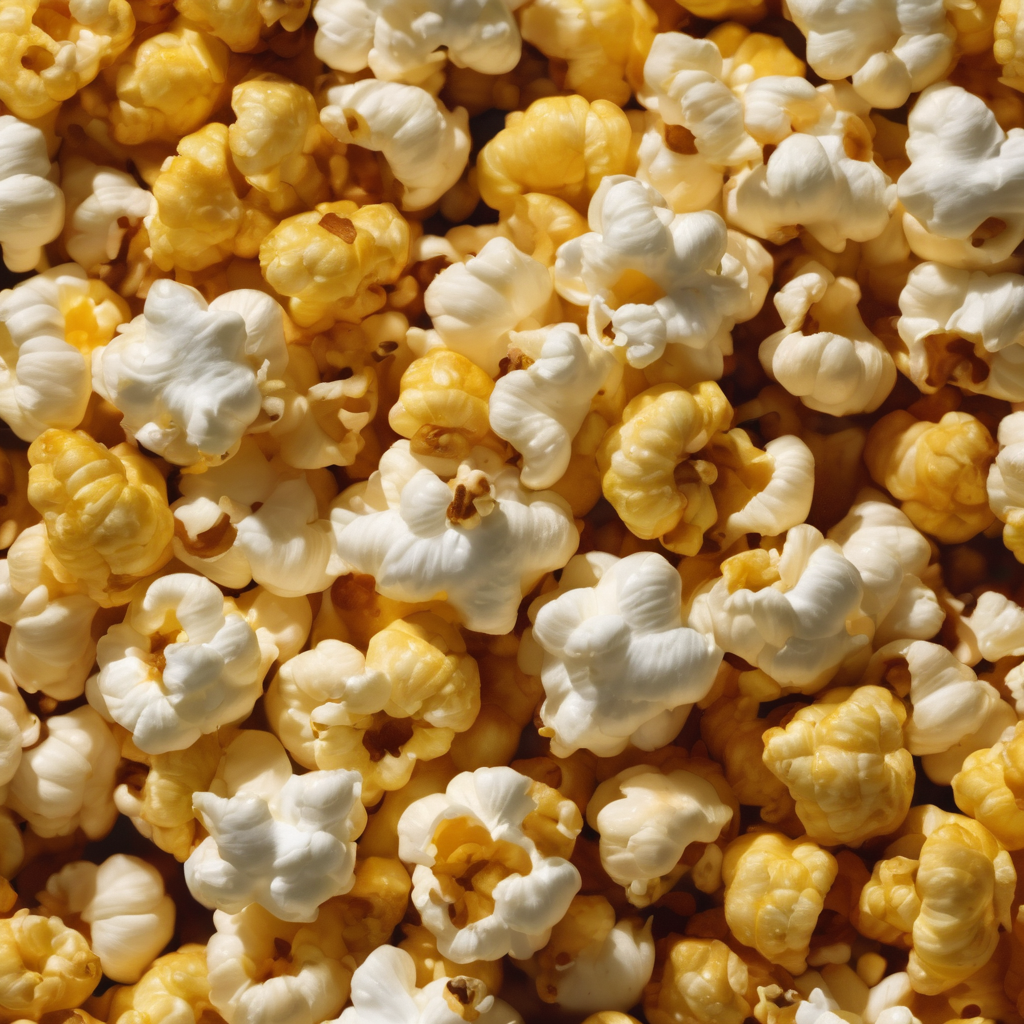
Popcorn, a nutritious snack, is part of a healthy diet when prepared mindfully. Choose air-popped or microwave-popped options in specialised containers for optimal health. Store in a dry place, beware of mold, and use microwave popcorn bags with caution.


⚡ The short version
✅ Popcorn is a genuine whole grain — it keeps the bran, germ and endosperm — making it a good source of fibre (14.5 g per 100 g), antioxidants and nutrients like B vitamins, manganese and magnesium (2, 3).
🍳 How you pop it changes everything: air-popped and microwave-in-a-special-container are the healthiest; stovetop depends on your oil; kettle-corn and commercial microwave bags are the least healthy.
☠️ Commercial microwave popcorn bags are the biggest concern — some are lined with PFAS chemicals (PFOA/PFOS), linked to raised cholesterol, liver and thyroid effects, reduced immune response and even certain cancers (5, 6, 8–13).
🧪 Popcorn contains acrylamide, a compound with cancer-forming potential that forms during high-heat cooking — sweet popcorn tends to have more of it, though research on this is still limited (1).
🧺 Mould is a real risk: if popcorn (or any grain) goes mouldy, it can contain aflatoxins — throw it out immediately, and never feed it to pets or livestock (4).
⚖️ Prepared simply, popcorn is genuinely useful for weight management — it's more filling than potato chips gram-for-gram (16) — but a "popcorn diet" built around it alone isn't nutritionally balanced.
🌽 Why popcorn is worth a closer look
Popcorn is a beloved snack worldwide — from movie theatres to social gatherings, and a common snack for children and teens (1). What makes it stand out nutritionally is that it's an intact whole grain: nothing is stripped away during popping, so you get the fibre, antioxidants (including polyphenols) (2) and nutrients (B vitamins, manganese, magnesium) (3) that come with the whole kernel. But butter, sugar coatings, excessive salt, or certain preparation methods can turn this healthy snack into something far less so — and proper dry storage matters too, since mouldy popcorn shouldn't be eaten or fed to animals (4).
🍳 Not all popping methods are equal
| Method | Energy (per cup) | Fat (per cup) | Notes |
|---|---|---|---|
| 💨 Air-popped | ~130 kJ (31 cal) | 0.4 g | The healthiest option — no oil needed, natural flavour preserved (3) |
| 📦 Microwave, special container | ~130 kJ (31 cal) | 0.4 g | Nutritionally similar to air-popped, avoids the additives in commercial bags |
| 🍳 Stovetop | ~268 kJ (64 cal) | ~4.8 g | Varies a lot with oil type/amount — olive or canola oil is healthier than butter or coconut oil |
| 🫕 Kettle-popped | 502–628 kJ (120–150 cal) | 5–8 g | Added oil and sugar — flavourful but the least suited to those watching sugar intake |
| 🛍️ Commercial microwave bags | ~1,900 kJ (~455 cal) | 20–30 g | By far the highest in energy and fat, plus the PFAS concern below |
☠️ The PFAS problem: some commercial microwave popcorn bags are lined with PFOA and PFOS (part of the PFAS or "forever chemicals" group) to resist oil and heat. These chemicals persist in the environment and the body, and regular consumption has been linked to higher blood PFAS levels. Health concerns include raised cholesterol (8), liver enzyme changes (9), reduced immune response (10), thyroid disorders (11), effects on foetal development (12) and links to kidney and testicular cancer (13). One helpful note: popcorn's own fibre content may help the body excrete PFOA, PFOS and PFNA faster (7) — though that's not a reason to seek these chemicals out. A widely cited study of US microwave popcorn brands found PFAS in every product tested, and flagged that weak US regulations mean PFAS-containing products get exported and consumed worldwide. At the time of writing, South African microwave popcorn packaging did not carry warnings about this. If you regularly eat commercial microwave popcorn — especially if you're pregnant — this is worth factoring into your choices; switching to air-popped or the special-container method avoids the issue entirely.
🫧 Popcorn lung: a compound called diacetyl, used in some artificial butter flavourings, has been linked to a serious respiratory condition nicknamed "popcorn lung" — mainly documented in factory workers with heavy occupational exposure (15), rather than typical home consumption.
🧪 What about acrylamide?
Acrylamide forms in many foods during high-temperature cooking and has potential cancer-forming properties (1). Popcorn does contain acrylamide, with levels varying by preparation method — microwave popcorn generally shows lower levels, while sweet popcorn tends to have higher levels (1). That said, the main study on this didn't cover every popping method or distinguish between the two microwave approaches, so more research is needed to fully understand and reduce this risk.
❤️ Health benefits and risks at a glance
| Benefits | Risks | |
|---|---|---|
| 🩸 General (well-prepared popcorn) | Fibre helps regulate blood sugar and insulin; soluble fibre may lower cholesterol ❤️; supports digestive regularity 💩; contains antioxidant polyphenols 🛡️; low energy supports weight management ⚖️; may even lower diverticulitis risk rather than worsen it, contrary to old dietary advice (14) | High salt, especially in commercial/microwave varieties, linked to raised blood pressure and heart disease/stroke risk 🧂; high energy in buttered/flavoured versions; digestive discomfort (bloating, gas) from too much fibre at once 😣; tooth damage from hard unpopped kernels 🦷; possible allergic reactions in those sensitive to corn or additives 🤧; mould/aflatoxin risk if stored poorly; acrylamide, especially in sweet varieties |
⚖️ Popcorn and weight management
Swapped in for less healthy snacks, popcorn can genuinely help with weight control. In a study comparing low-fat popcorn with potato chips, popcorn was more satiating and led to less energy eaten at the next meal (16) — good evidence that a whole-grain, higher-fibre snack does more to fill you up than a refined, energy-dense one.
⚠️ The "popcorn diet" — built around eating mostly plain, air-popped popcorn to cut energy intake — can work short-term for weight loss due to its low calorie, high-fibre nature, but like most single-food diets, it isn't nutritionally balanced for long-term health.
🎯 The bottom line
✅ Prepared simply — air-popped, or microwaved in a proper container, lightly seasoned — popcorn is a genuinely nutritious, low-energy, high-fibre whole-grain snack with real benefits for blood sugar, heart health, digestion and weight management.
🍳 Preparation method makes the biggest difference to how healthy your popcorn actually is — more so than popcorn itself being "good" or "bad."
☠️ Skip commercial microwave popcorn bags where possible, due to the PFAS chemical lining and their much higher energy, fat and salt content — homemade air-popped or a reusable microwave popper avoids this entirely.
🧺 Always store popcorn (and other grains) dry, and throw out anything mouldy without hesitation — don't feed it to pets or livestock either.
⚖️ Popcorn can support a weight-management plan, but shouldn't become the whole plan — balance and variety still matter.
💭 Questions to ask yourself
🍿 How do I usually prepare my popcorn? Could switching from commercial microwave bags to air-popping or a reusable container cut down my exposure to added chemicals, salt and fat?
🧂 What am I adding to my popcorn — butter, sugar, excess salt — and could I still enjoy it with lighter, healthier seasoning?
🧺 How do I store my popcorn kernels or leftovers, and am I checking for mould before eating?
🌽 Could popcorn replace a less healthy snack (like chips) in my routine, given how filling it is?
Always seek guidance from dietitians for personalised diets and weight management plans.
💌 Love what you're reading? Share the knowledge! Forward this link to a friend who might also enjoy it. 📨
📚 References
Want to go deeper? Here are all the studies behind this summary. 🔍
- Abedini A, Zirak M-R, Akbari N, Saatloo NV, Badeenezhad A, Sadighara P. Acrylamide; a neurotoxin in popcorns: a systematic review and meta-analysis. Reviews on Environmental Health. 2023;38(4):647-53.
- Coco Jr MG, Vinson JA. Analysis of popcorn (Zea mays L. var. everta) for antioxidant capacity and total phenolic content. Antioxidants. 2019;8(1):22.
- Whitney EN, Rolfes SR, Crowe T, Walsh A. Understanding Nutrition. Cengage AU; 2019.
- Morales-Moo T, Hernández-Camarillo E, Carvajal-Moreno M, Vargas-Ortiz M, Robles-Olvera V, Salgado-Cervantes MA. Human Health Risk Associated with the Consumption of Aflatoxins in Popcorn. Risk Management and Healthcare Policy. 2020;13:2583-91.
- Ramírez Carnero A, Lestido-Cardama A, Vazquez Loureiro P, Barbosa-Pereira L, Rodríguez Bernaldo de Quirós A, Sendón R. Presence of perfluoroalkyl and polyfluoroalkyl substances (PFAS) in food contact materials (FCM) and its migration to food. Foods. 2021;10(7):1443.
- Seltenrich N. PFAS in food packaging: A hot, greasy exposure. Environmental Health Perspectives. 2020;128(5):054002.
- Dzierlenga MW, Keast DR, Longnecker MP. The concentration of several perfluoroalkyl acids in serum appears to be reduced by dietary fiber. Environment International. 2021;146:106292.
- Schillemans T, Bergdahl IA, Hanhineva K, Shi L, Donat-Vargas C, Koponen J, et al. Associations of PFAS-related plasma metabolites with cholesterol and triglyceride concentrations. Environmental Research. 2023;216:114570.
- Costello E, Rock S, Stratakis N, Eckel Sandrah P, Walker Douglas I, Valvi D, et al. Exposure to per- and polyfluoroalkyl substances and markers of liver injury: A systematic review and meta-analysis. Environmental Health Perspectives. 2022;130(4):046001.
- Beans C. How "forever chemicals" might impair the immune system. Proceedings of the National Academy of Sciences. 2021;118(15):e2105018118.
- Coperchini F, Croce L, Ricci G, Magri F, Rotondi M, Imbriani M, et al. Thyroid disrupting effects of old and new generation PFAS. Frontiers in Endocrinology. 2021;11:612320.
- Eick SM, Goin DE, Trowbridge J, Cushing L, Smith SC, Park J-S, et al. Dietary predictors of prenatal per- and poly-fluoroalkyl substances exposure. Journal of Exposure Science & Environmental Epidemiology. 2023;33(1):32-9.
- Steenland K, Winquist A. PFAS and cancer, a scoping review of the epidemiologic evidence. Environmental Research. 2021;194:110690.
- Strate LL, Liu YL, Syngal S, Aldoori WH, Giovannucci EL. Nut, corn, and popcorn consumption and the incidence of diverticular disease. JAMA. 2008;300(8):907-14.
- Dulberg AS. The popcorn lung case study: A recipe for regulation. NYU Review of Law & Social Change. 2009;33:87.
- Nguyen V, Cooper L, Lowndes J, Melanson K, Angelopoulos TJ, Rippe JM, et al. Popcorn is more satiating than potato chips in normal-weight adults. Nutrition Journal. 2012;11(1):71.